


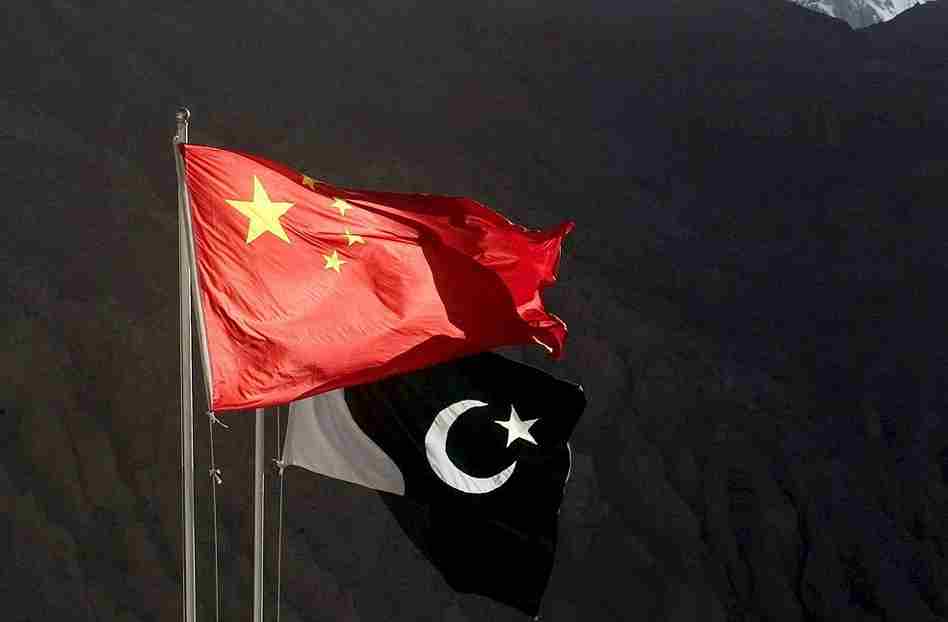
Pakistan has proposed securing preferential, zero-tariff access to the Chinese market as part of its efforts to increase annual exports to China from approximately $3 billion to between $20 billion and $25 billion. Pakistan Federal Minister for Planning Ahsan Iqbal raised the proposal during a meeting with Liu Haixing, Minister of the International Department of the Communist Party of China’s Central Committee, on Thursday.
According to an official statement, Iqbal highlighted opportunities for Pakistani exporters to expand their presence in China, which imports nearly $3 trillion worth of goods annually. He emphasized that improved tariff arrangements could help Pakistani products gain greater access to the Chinese market.
Iqbal suggested that the tariff preferences China has extended to several African countries could serve as a model for granting similar concessions to Pakistani goods, thereby enhancing their competitiveness in the Chinese market. The request follows discussions held on November 3 and builds on a proposal previously raised by Prime Minister Shehbaz Sharif during talks with Chinese President Xi Jinping.

In addition to strengthening bilateral trade, Iqbal sought Beijing’s support for establishing a Pakistan–China Knowledge Corridor. The proposed initiative aims to facilitate doctoral studies and specialized research opportunities for approximately 10,000 Pakistani scholars over the next decade.
The program would include scholarships, co-financing arrangements and academic partnerships with leading Chinese universities. Priority research areas would include artificial intelligence, engineering, advanced manufacturing, modern agriculture, biotechnology and mineral sciences.
Discussions also covered the second phase of the China–Pakistan Economic Corridor (CPEC), with Iqbal identifying industrial development, agricultural cooperation, business partnerships, technology transfer, mineral resource development and green initiatives as key priorities. He emphasized the need for policy continuity by aligning the next phase of CPEC with Pakistan’s URAAN development program and China’s 15th Five-Year Plan.
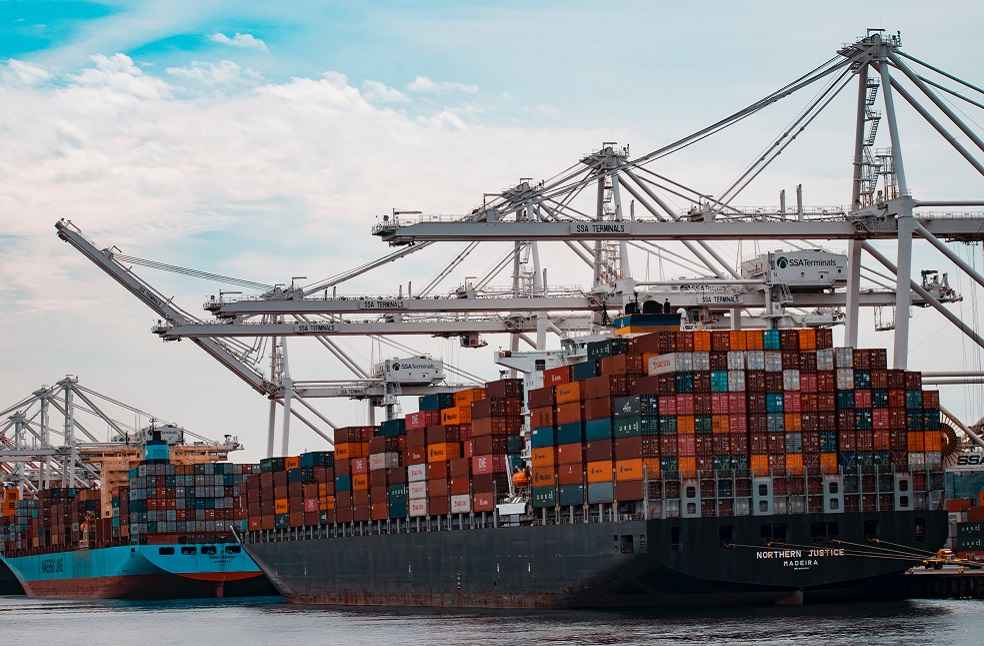
Highlighting the economic impact of the first phase of CPEC, Iqbal stated that the initiative had attracted approximately $25 billion in investment, increased electricity generation capacity by more than 8,000 megawatts and delivered 888 kilometers of highways and motorways. He also noted that the projects had created an estimated 236,000 direct and indirect jobs.
Iqbal reaffirmed Pakistan’s commitment to safeguarding Chinese personnel and projects. He further requested updates on the proposed preferential market access arrangements and the establishment of the Pakistan–China Knowledge Corridor.
ENERGY INDUSTRY | Russia Extends Jet Fuel Export Ban Amid Domestic Supply Pressures