


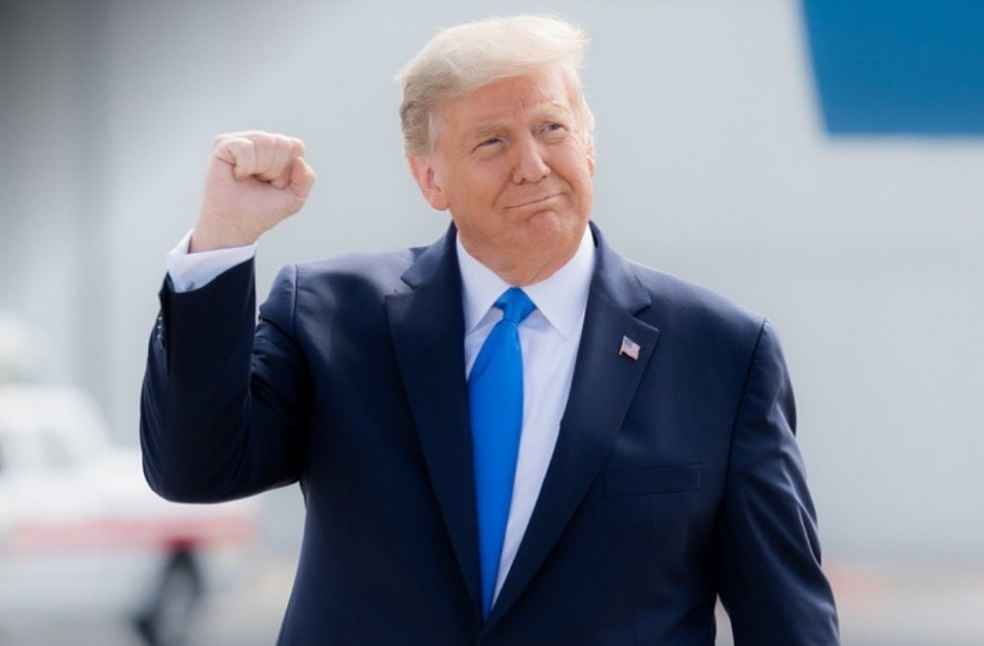
The United States has proposed new tariffs on 14 trading partners, including China, the European Union, Japan and India, on Wednesday, as President Donald Trump intensifies his administration’s trade measures. The proposed levies are aimed at addressing what the administration describes as ‘excess industrial capacity’ and its adverse effects on U.S. commerce. The move comes despite the Supreme Court having struck down many of the tariffs previously imposed by the Trump administration.
According to the Office of the U.S. Trade Representative (USTR), the proposed tariffs are expected to take effect early next year. The administration has proposed an additional 20% tariff on Chinese imports, which would raise the overall tariff burden to approximately 40%. Other trading partners include Bangladesh, Cambodia, Indonesia, South Korea, Malaysia, Singapore, Switzerland, Taiwan, Thailand and Vietnam, along with the European Union, India and Japan.

The proposed measures follow an eight-month investigation by the USTR under Section 301, which examined alleged unfair trade practices involving 16 trading partners. The 14 countries have been notified of the proposed measures, with the tariffs on each country remaining within the rates outlined in the framework agreements on reciprocal trade.
A senior U.S. official told Reuters that Washington had concluded that these countries “create, sustain, or contribute to structural excess capacity and production in manufacturing sectors” through policies and practices deemed ‘unreasonable’ and ‘harmful’ to U.S. commerce.
India and Vietnam are among the countries that have yet to finalize trade agreements with the United States.
Section 301 of the Trade Act of 1974 authorizes the United States to respond to foreign trade practices considered unfair, discriminatory or detrimental to U.S. commerce. According to the administration, the measures are intended to address the ‘overcapacity,’ referring to industrial output, often supported by government subsidies, that can lead to an influx of lower-cost goods in global markets and place U.S. manufacturers at a competitive disadvantage.
However, Mexico and Norway have not been included in the proposed measures at this stage.
The official also stated that the proposed tariffs would remain within the limits set under existing trade agreements. These include a maximum rate of 15% for the European Union, Japan, South Korea and Taiwan, and 19% for Malaysia. The specific tariff rates applicable to each trading partner were expected to be outlined in a notice scheduled for publication in the U.S. Federal Register on Wednesday.
AUTOMOTIVE WORLD | EU to Introduce Vehicle Import Quotas from Next Month