


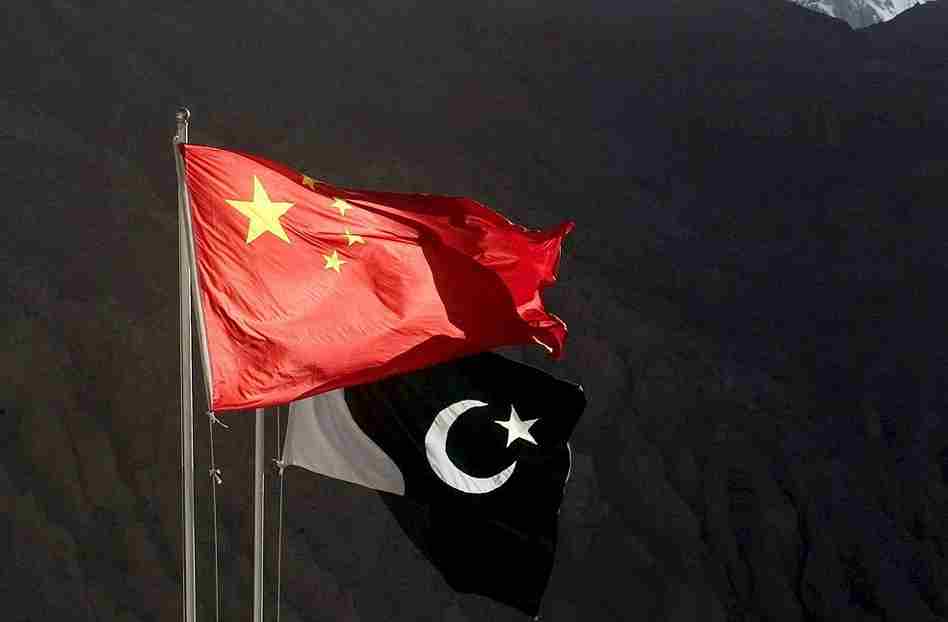
Pakistan and China have signed an agreement to establish a green channel at the Sost-Khunjerab border crossing, a measure intended to facilitate agricultural trade, expedite the movement of perishable goods and enhance customs cooperation between the two countries.
The agreement was signed virtually on Thursday by the customs authorities of Pakistan and China at the Federal Board of Revenue (FBR).
Pakistan’s delegation was led by Syed Shakeel Shah, Member Customs (Operations), while the Chinese side was headed by Li Qinghua, Deputy Head of Urumqi Customs and Director of Tashkurgan Customs.
According to an official statement, the arrangement will grant priority processing and inspection to an agreed list of agricultural and related products while maintaining risk-based customs oversight.
The green channel will streamline cross-border trade without compromising regulatory oversight. The framework also establishes enhanced information-sharing and the exchange of risk alerts between the two customs authorities to strengthen coordination and improve trade facilitation.
A central provision of the agreement is the expedited handling of perishable shipments, a measure aimed at reducing border clearance delays and preserving product quality during transit.
The agreement comes as the Khunjerab Pass remains a strategically important trade corridor for Pakistan-China economic relations.
During the 2025-26 fiscal year, Pakistan Customs collected a record Rs14.93 billion in revenue from imports entering through the Sost Dry Port from China. Exports valued at Rs2.8 billion were also transported through the crossing to China and Central Asian markets.
Situated at an altitude of approximately 15,500 feet, the Khunjerab Pass links Pakistan’s Gilgit-Baltistan region with China’s Xinjiang Region and serves as a key overland route for bilateral trade.
Under a border protocol signed in 1985, the crossing is generally open for trade and travel from April to November. Operations along the route can be affected by heavy winter snowfall due to its high-altitude location. The newly established green channel is expected to facilitate eligible agricultural shipments, particularly perishable goods, while enhancing customs coordination between the two countries.
Its effectiveness will depend on the implementation of the agreed procedures, the finalization of eligible product categories and the level of coordination between the customs authorities of both countries.
TRADE WORLD | South Korea, Germany Agree to Enhance Strategic Partnership