


Global energy markets have entered a new period of volatility as geopolitical tensions in West Asia intensify, pushing crude prices sharply higher and reviving concerns about supply disruptions.
On March 6, 2026, Brent crude climbed to $92.69 per barrel, while U.S. benchmark West Texas Intermediate reached $90.90, marking the highest levels since 2024. The surge represents one of the largest weekly moves in oil markets since 2022, with prices rising roughly 20 to 35 percent within days as traders priced in the growing geopolitical risk.
The spike reflects a familiar dynamic in global energy markets, where even the threat of disruption to key supply routes can quickly translate into higher prices and increased volatility.
Strait of Hormuz Remains Open but Risky
At the center of market anxiety is the Strait of Hormuz, the narrow maritime corridor between Iran and Oman through which around 20 percent of globally traded oil and nearly one-fifth of liquefied natural gas shipments pass.
At its narrowest navigable point the strait is approximately 33 kilometers wide, making it one of the most strategically sensitive energy chokepoints in the world.
As of March 8, 2026, the waterway remains officially open for commercial traffic, according to statements from U.S. military officials and Iranian authorities. However, operating conditions have become increasingly uncertain.
Reports emerging on March 6-7 indicate Iran has signaled potential restrictions targeting vessels linked to the United States, Israel, and certain European countries, raising fears of selective transit risks even without a formal shutdown.
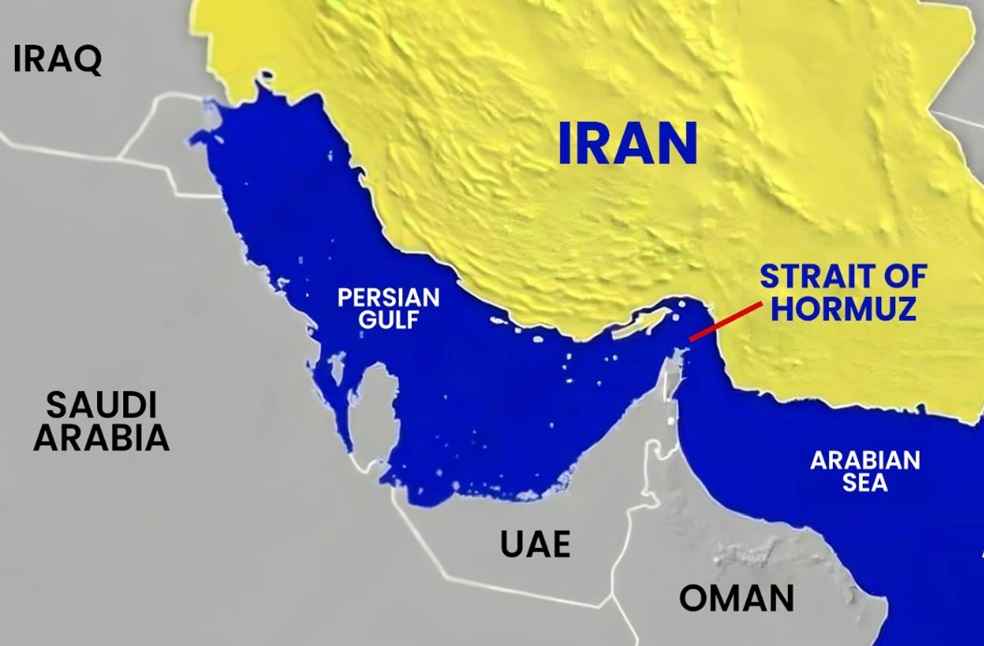
Historically, the Strait of Hormuz has never been fully closed to global shipping, including during the intense maritime confrontations of the 1980-1988 Iran–Iraq ‘Tanker War.’ Yet partial restrictions, military threats, or heightened security alerts can still significantly disrupt trade.
Shipping and Insurance Costs Begin to Climb
Shipping operators and insurers are already responding to the rising risk environment.
Insurance premiums for vessels entering the Gulf have climbed sharply, and several merchant fleets are delaying voyages or adjusting routes. Some operators are implementing enhanced security protocols while others are temporarily avoiding the corridor.
Even without a formal blockade, these precautionary measures can reduce shipping volumes and tighten global energy supply chains.
For global markets, the perception of disruption can be as powerful as an actual shutdown.
Hidden Supply Chain Vulnerabilities
The Middle East’s importance to the global economy extends beyond oil and gas.
The region is a major supplier of ammonia and nitrogen used in synthetic fertilizers, essential inputs for global agriculture. Any sustained disruption to production or shipping could ripple into food supply chains and agricultural pricing.
In addition, Qatar produces roughly 40 percent of the world’s helium, a critical industrial gas used in semiconductor manufacturing, medical imaging, and advanced electronics. Disruptions in the region could therefore expose unexpected vulnerabilities in high-technology supply chains.
These dependencies illustrate how geopolitical instability in a single region can propagate through multiple layers of the global economy.
Winners and Losers in the Energy Shock
Higher oil prices effectively transfer income from energy-importing countries to energy exporters.
Large exporters outside the Gulf region, including Norway, Russia, and Canada, stand to benefit from stronger export revenues if global prices remain elevated.
Conversely, major industrial economies dependent on imported fuel face rising costs. This group includes Japan, South Korea, Taiwan, China, India, and most European economies including France, Germany, and the United Kingdom.
For these countries, higher oil prices increase import bills, weaken household purchasing power, and place upward pressure on inflation.
India is particularly exposed given its reliance on imported energy and its strategic economic ties to the region, including investments in Iran’s Chabahar Port, a key gateway for trade with Central Asia.
Inflation Risks and Growth Outlook

The broader economic consequences will depend largely on the duration of the energy shock.
If oil prices stabilize around $70 to $80 per barrel, economists estimate global inflation in 2026 could rise by roughly 0.5 percentage points, with only modest effects on economic growth.
However, if prices climb toward $100 per barrel and remain elevated, inflation could increase by about one percentage point, while global GDP growth may decline by 0.25 to 0.4 percentage points.
Such conditions could complicate policy decisions for central banks that are already navigating the delicate balance between inflation control and economic support.
Emerging Markets Face Fiscal Strain
In many emerging economies, fuel subsidies help shield households and businesses from sudden increases in energy prices. While this approach softens the immediate impact on consumers, it transfers the cost burden to government finances.
Countries with fragile fiscal positions may therefore face pressure in bond markets if energy prices remain high.
Economies such as Egypt, Tunisia, and Pakistan are widely considered particularly vulnerable to sustained increases in global energy costs.
Narrow Corridor; Global Consequences
Although the Gulf region accounts for only about two to three percent of global GDP, its role in global commodity flows gives it outsized economic influence.
The stability of the Strait of Hormuz, a narrow maritime passage only a few dozen kilometers wide, remains central to the functioning of the global energy system.
The events of early 2026 once again demonstrate how quickly geopolitical tensions can ripple through oil markets, shipping routes, and inflation expectations.
For now, the strait remains open. But as long as the threat of disruption persists, energy markets and global trade will remain on edge.
INFORMATIVE | Gold Mining Severely Threatens Environs