


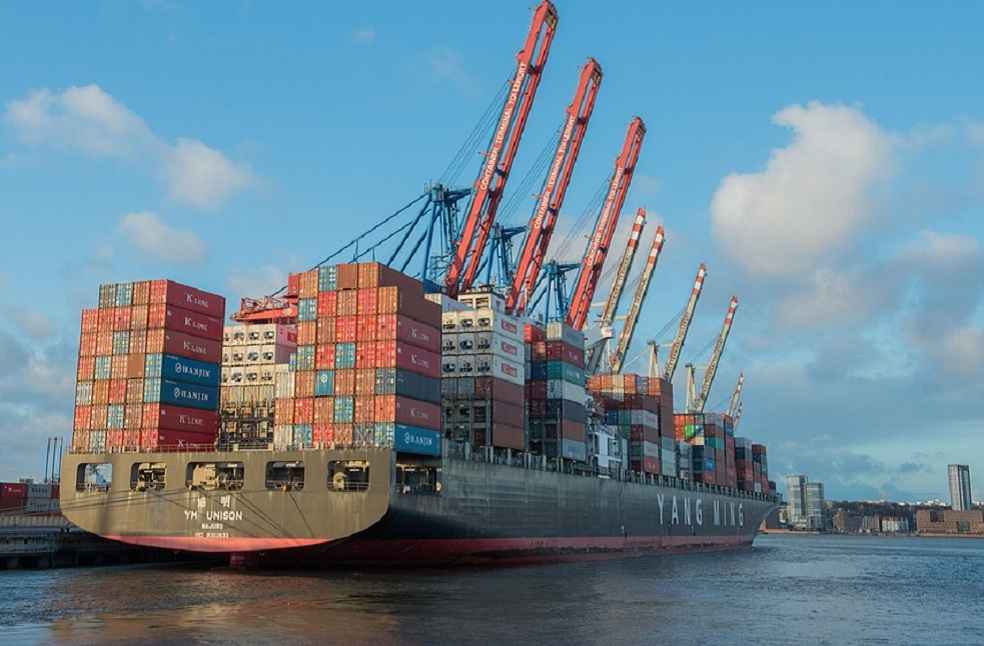
Japan reported a trade deficit in May—the first in four months—as imports of electrical machinery rose sharply, offsetting the gains from higher exports, according to data released by the Finance Ministry on Wednesday.
Preliminary figures indicate that Japan’s exports rose by 17% in May compared with the same month a year earlier, reaching 9.51 trillion yen ($59.4 billion). Imports increased by 12.5%, totaling 9.89 trillion yen ($61.8 billion). This resulted in a trade deficit of 378.6 billion yen ($2.4 billion).
Oil and gas imports declined by 1.8% year-on-year, a reduction attributed to the ongoing conflict in Iran and the blockade of the Strait of Hormuz. Until February 28, roughly one-fifth of the world’s oil shipments transited through the strait before U.S. and Israeli military actions against Iran disrupted flows. In response, Japan has intensified efforts to diversify its energy suppliers to mitigate risks associated with regional instability.
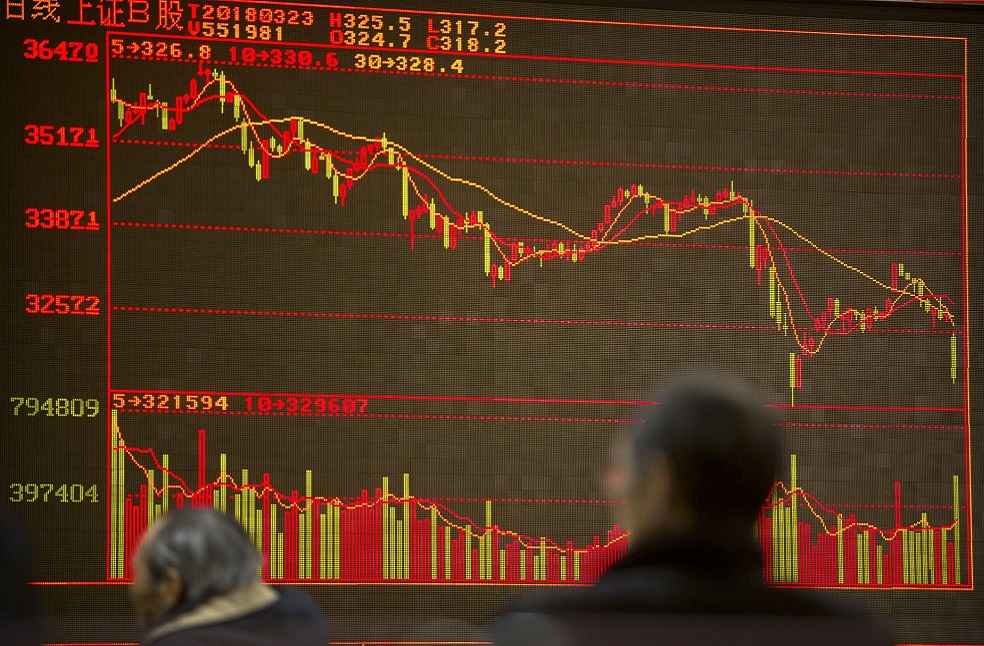
Imports of electrical machinery surged by 31.5%, driven by strong demand for computer chips and related components amid the rapid expansion of artificial intelligence. In addition, higher prices contributed to an increase in the overall value of both exports and imports. Although Japan exported fewer vehicles in May, the value of those shipments rose by more than 13%.
Meanwhile, oil imports declined sharply—falling 28.5% in value and plunging 57.3% in volume.
The weak yen contributed to the rise in imports, with the U.S. dollar recently trading at around 160 yen, compared to approximately 140 yen a year earlier. On Tuesday, the Bank of Japan raised its benchmark interest rate to 1.0%, marking the first time since 1995 that the rate has reached this level. The central bank cited inflationary pressures as a key concern. However, the rate hike has had little discernible impact on the yen’s value.
METAL WORLD | India’s Gems and Jewelry Exports Decline 2.49% in May