


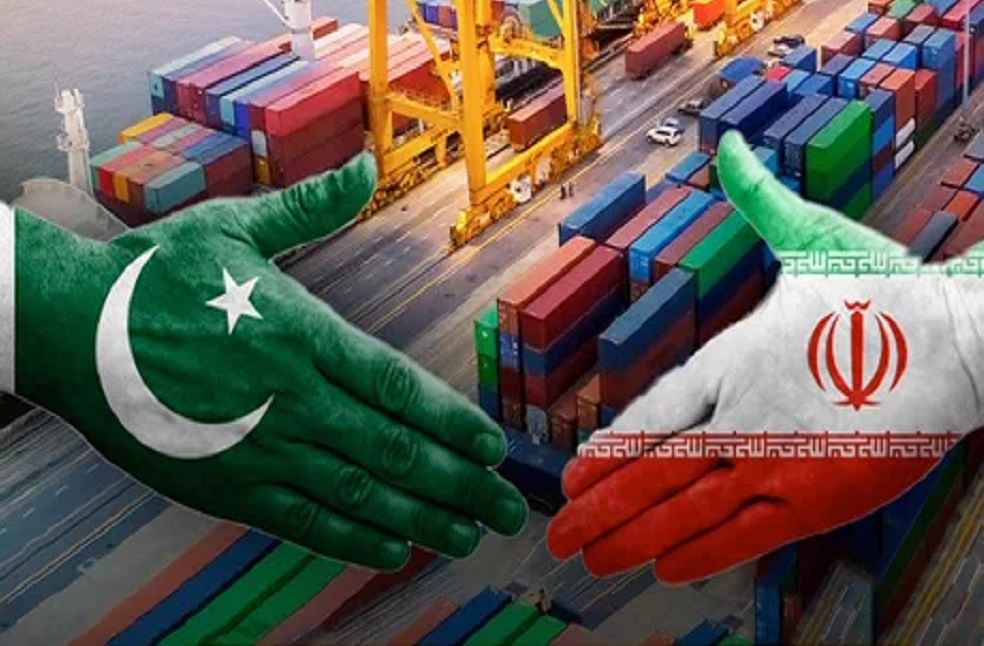
Pakistan has opened a new trade corridor through Iran, a move experts say reflects strengthening ties between Islamabad and Tehran following Pakistan’s mediation in facilitating a ceasefire in the Middle East conflict.
The development through Iran to Central Asia is seen as part of a broader effort to reshape regional logistics, with Islamabad seeking alternative transit pathways amid ongoing disruptions at its border crossings with Afghanistan.
“The Iran corridor will open access to Iran and Central Asian states to the Pakistani ports of Karachi and Gwadar,” Pakistani officials stated.
Pakistan has dispatched its first export consignment to Uzbekistan, comprising frozen beef transported by truck from Karachi through Iran en route to Tashkent, effectively operationalizing the new corridor, according to the Directorate General of Transit Trade.
Officials said the move comes amid recurring disruptions on traditional overland routes through Afghanistan, where border closures and clashes have repeatedly constrained trade and limited access to landlocked Central Asian markets.
Authorities further noted that customs infrastructure is being upgraded to support the shift, including approval of storage facilities for international transshipment cargo to enhance the handling capacity of ports.
“The steps will support port activities, facilitate international trade and transshipment infrastructure at Karachi and Gwadar ports,” the directorate added.
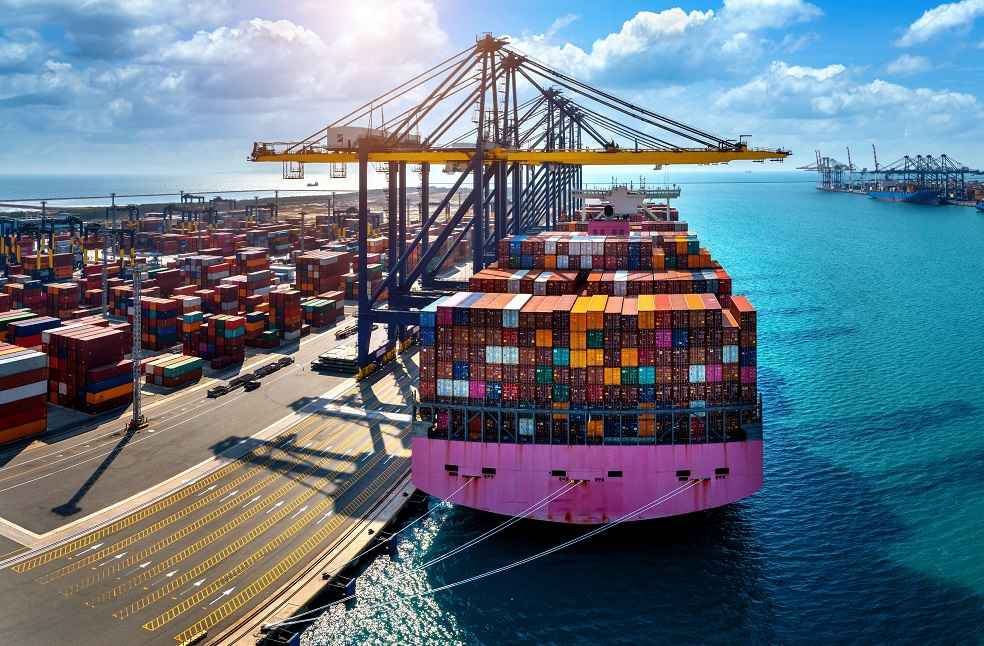
Under the arrangement, shipments from Pakistan will be routed through Gwadar port—part of the China-Pakistan Economic Corridor (CPEC)—before passing through Iran to reach Central Asian countries. The move follows Pakistan’s recent easing of export regulations, permitting the transport of goods such as food items, medicines, and tents to Iran and onward to Central Asia via the corridor.
The development also comes as Pakistan works to stabilize its economy under a $7 billion International Monetary Fund (IMF) program, with authorities aiming to boost exports and reduce trade bottlenecks to support economic growth and external account stability.
Separately, analysts have pointed to improving relations between Islamabad and Tehran as an additional factor, noting that the corridor appears interlinked with growing bilateral relations.
TRADE TECH | Philippines Targets $110B in Semiconductor and Electronics Exports

