


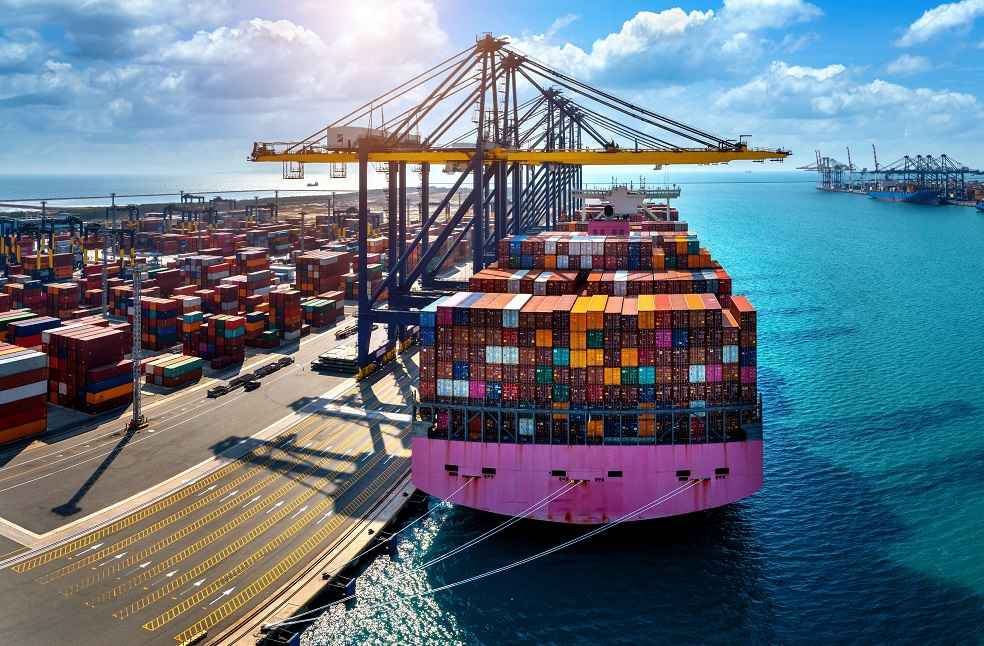
The Office of the U.S. Trade Representative has proposed imposing additional tariffs of up to 12.5% on imports from 60 countries, citing their failure to prohibit goods produced using forced labor. The move would broadly affect major trading partners, including China, the European Union, and Japan.
The office of U.S. Trade Representative Jamieson Greer declared the proposed tariffs on Tuesday, following investigations into the nations aimed at addressing unfair trade practices.
The decision, issued under Section 301 of the Trade Act of 1974, concluded that all 60 countries have not enacted or adequately enforced bans on imports linked to forced labor, resulting in what the agency described as an ‘uneven playing field’ for U.S. workers.

USTR has suggested a 10% tariff rate for countries that have implemented either full or partial bans on forced-labor-related trade, while other economies would face a higher rate of 12.5%. The proposal also includes a separate textile provision that would permit a limited quantity of apparel and textile imports from certain countries to enter the United States at reduced tariff rates.
The measures are still subject to public consultation before they are implemented.
The proposal follows the U.S. Supreme Court’s decision earlier this year to strike down most of President Donald Trump’s ‘Liberation Day’ tariffs, which led him to introduce 10% global baseline duties under Section 122 that are scheduled to expire in July.
Section 301 grants the president the authority to impose tariffs in response to unfair foreign trade practices that are deemed harmful to U.S. commerce.
“The failure of our most important trading partners to address the importation of goods made with forced labor is unacceptable. This creates a dynamic where American workers are forced to compete globally on an unlevel playing field,” Greer said. “We will no longer tolerate this disparity.”
However, the potential impact of the proposed tariffs is expected to be mitigated by broad exemptions covering goods such as electronics and artificial intelligence-related products.
Separately, the U.S. government on Wednesday began soliciting public comments on the scope of a new U.S.–China Board of Trade, agreed during a bilateral summit last month, which is expected to facilitate lower tariff rates on goods traded between the two countries. Authorities are also seeking feedback on non-sensitive sectors that may be eligible for tariff adjustments on both sides.
POLICY & LAW | U.S. Proposes 25% Tariffs on Brazilian Imports Over Unfair Practices

