


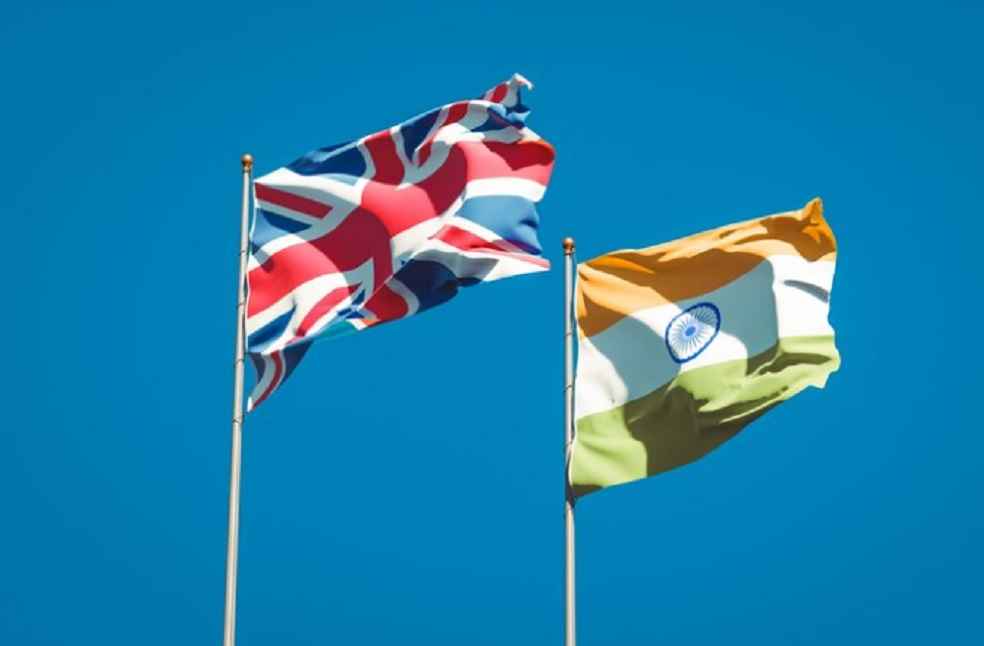
India’s free trade agreement (FTA) with the United Kingdom will take effect on 15 July, nearly a year after its signing, the two governments declared on Wednesday. The accord represents the first operational bilateral trade deal between India and a European or Western nation.
“The simultaneous enforcement of the CETA and the Double Contribution Convention on 15th July 2026 will open up significant new opportunities for India’s exports. By securing immediate duty-free access on 99% of our tariff lines, we have systematically dismantled long-standing tariff walls. This will effectively level the playing field, allowing our textiles, leather, marine, engineering, and processed food sectors to compete with no disadvantage and supply their world class products,” India Commerce and Industry Minister Piyush Goyal stated.
The agreement has now been ratified by both governments. The implementation date was finalized by Indian Prime Minister Narendra Modi and UK Prime Minister Keir Starmer during their bilateral meeting on the sidelines of the G7 summit this week.
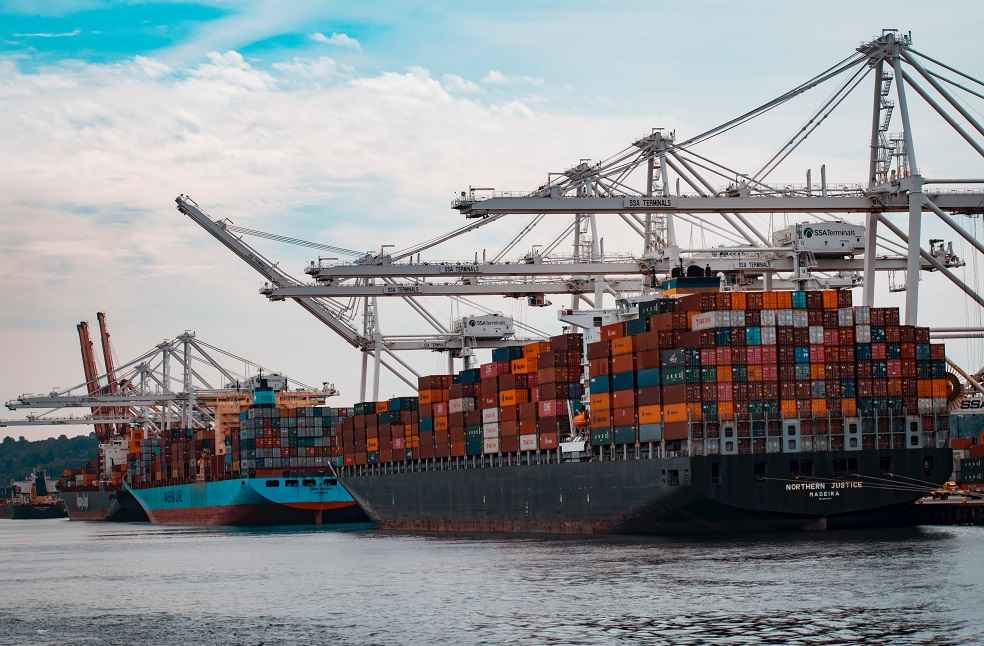
Following 14 rounds of negotiations, India and the United Kingdom concluded talks on the FTA last May, with the agreement formally signed on 25 July 2025.
Under the Comprehensive Economic and Trade Agreement (CETA), the UK will eliminate tariffs on a range of Indian exports, while India will safeguard sensitive sectors such as dairy, cereals, oilseeds, and vegetables. UK estimates suggest that the agreement could raise India’s GDP by approximately £5.1 billion annually and the UK’s by around £4.8 billion, with long-term bilateral trade expected to increase by about £25.5 billion each year.
Indian exporters are expected to benefit across several sectors as the UK reduces or removes tariffs on a wide range of goods. Duties of up to 70% on processed foods, 21.5% on marine products, 18% on engineering goods and auto components, 16% on leather and footwear, and 12% on textiles and clothing will be eliminated. Tariffs of up to 8% on chemicals and pharmaceuticals will also be removed.
On the UK side, whisky tariffs will drop from around 150% to 40%, while British automobiles will gain a new quota at 10% tariffs, down from the current 100%. Overall, about 99% of tariff lines—covering nearly all of India’s trade value with the UK—will be eliminated.

The FTA also establishes a framework to facilitate the mobility of Indian professionals, including business visitors, inter‑corporate transferees, service suppliers, and contractors.
A key element of the India‑UK free trade agreement is the Double Contribution Convention, signed in February, which exempts Indian workers temporarily in the UK and their employers from social security contributions for three years—saving firms an estimated ₹4,000 crore.
India will gradually reduce tariffs on around 90% of tariff lines, with 85% of duties eliminated within a decade of the agreement coming into force. The deal spans 30 chapters and includes provisions on government procurement, marking a first in a bilateral trade pact between the two countries.
Additionally, Indian steel exporters are expected to benefit from safeguards under the UK’s new steel regulations, effective from 1 July. Around 85% of Indian exports are expected to remain outside the scope of these measures, while remaining shipments will be protected through quotas and an authorised use scheme (AUS).
TRADE WORLD | Japan Records First Trade Deficit in Four Months as Imports Surge