


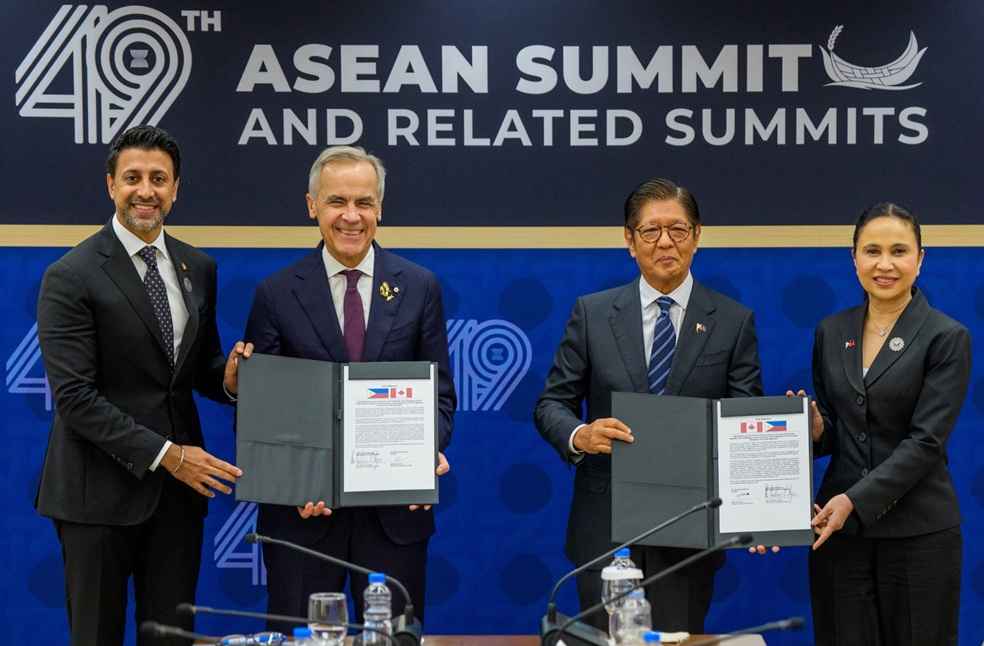
Canadian Prime Minister Mark Carney declared the completion of free trade negotiations with the Philippines and the conclusion of talks on a broader trade agreement with the Association of Southeast Asian Nations (ASEAN). The agreements mark a significant step in Canada’s efforts to diversify its trade relationships and reduce reliance on the United States.
Both agreements are expected to be signed in 2027, as Ottawa seeks to expand its economic ties and diversify its trade relationships. The development comes after a meeting between Carney and Philippine President Ferdinand Marcos Jr. on the sidelines of the 49th ASEAN Summit in Manila.
The proposed ASEAN-Canada Free Trade Agreement (ACAFTA) would cover a market of nearly 700 million people and an economy valued at almost $6 trillion. Once implemented, the deal is expected to boost Canada’s GDP by nearly $2 billion and support the creation of about 14,000 jobs.

Ottawa has also pledged $5 million in assistance to help ASEAN economies prepare for the agreement’s ratification and make the most of its benefits once it takes effect, according to the statement. The trade deal with the Philippines is part of Carney’s wider effort to reduce Canada’s reliance on the U.S. market by expanding ties with other economies.
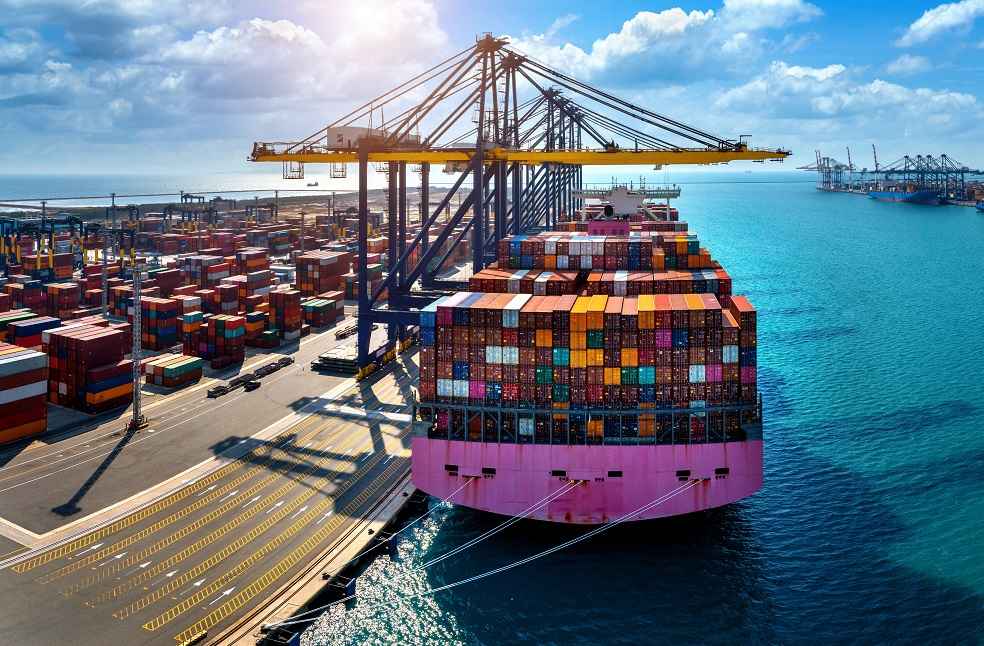
The Canadian government estimates that the proposed agreement could triple Canada’s exports to the Philippines by 2035, with agriculture and forest products expected to account for a significant share of the growth. Bilateral merchandise trade between the two countries reached C$3.4 billion in 2025, marking a 7.4% increase from the previous year. Meanwhile, Canada’s direct investment stock in the Philippines rose 44% year-over-year to approximately C$1.7 billion.
Canada’s primary exports to the Philippines include mineral ores, cereals, meat, fertilizers and aircraft, while imports from the Southeast Asian nation are led by cooking oils, leather goods and rubber products.
Although discussions on the bilateral trade agreement date back to 2015, negotiations have gained renewed momentum under the leadership of Carney and Marcos Jr., who have revived efforts to advance the deal.
Carney also announced $26 million in funding to boost cooperation between Canada and the Philippines in areas such as nuclear safety and security, climate-resilient agriculture, community development, food security and infrastructure, including the G7-backed Luzon Economic Corridor. The two countries also agreed to strengthen defense and security ties through greater cooperation between their armed forces, a new cybersecurity dialogue and efforts to establish agreements on customs cooperation and the protection of sensitive information.
During his visit, Carney also welcomed three commercial agreements signed between Canadian and Philippine organizations.
Carney is set to continue his diplomatic tour of the region with visits to Cambodia and China as Canada looks to expand its trade ties and strengthen economic partnerships across the Indo-Pacific.
TRADE TECH | China Warns U.S. Against Further Semiconductor Export Restrictions