



Germany’s armed forces have banned Chinese-made commercial drones from military barracks while imposing access restrictions on Chinese-manufactured vehicles at military sites, citing concerns that the equipment could compromise sensitive military information to foreign intelligence services.
The German Defence Ministry confirmed the measures, stating that existing Chinese equipment would gradually be replaced with alternatives sourced from Germany or other European countries.
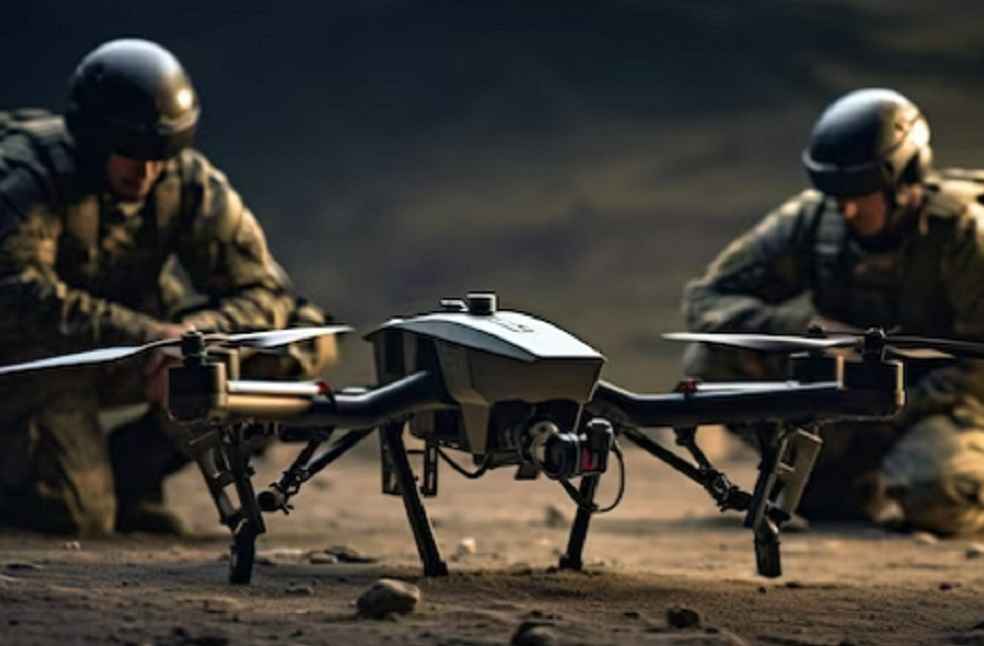
The directive covers commercially available small drones produced by major Chinese manufacturers, including DJI. Germany’s military introduced the restrictions amid concerns that these devices could collect and transmit sensitive information to Chinese intelligence agencies.

Authorities are particularly concerned that the drones could capture images of military installations, training sites, and information regarding German weapons systems. Previously, local military commanders were allowed to procure off-the-shelf commercial drones with relatively few administrative requirements. However, the Defense Ministry declined to reveal the number of Chinese-made drones purchased since 2024, citing security considerations.
The German armed forces, known as the Bundeswehr, had relied on low-cost commercial drones for applications such as training exercises and target practice. However, the Defense Ministry said the policy shift is intended to strengthen Germany’s technological sovereignty and enhance the protection of military data and operational information.
In addition to the drone restrictions, the military has implemented broad limitations on Chinese-built vehicles. Military units have circulated lists identifying models from manufacturers including BYD, Geely and Nio that are prohibited from entering designated secure military areas.
Germany’s implementation of the drone restrictions follows a similar move by the U.S. military, which prohibited China’s BYD electric vehicles from accessing Kadena Air Base on Japan’s Okinawa island. Kadena, the largest U.S. Air Force installation in East Asia, would play a significant role in responding to potential regional conflicts involving China, Russia or North Korea.
The measures reflect growing concerns among Western military organizations about the security implications of Chinese technology. Defense officials increasingly fear that Chinese-made vehicles, drones, and other connected equipment could be used to collect sensitive information or enable the transfer of data to authorities in Beijing.
TRADE WORLD | China and Canada Deepen Trade Ties through High-Level Talks