


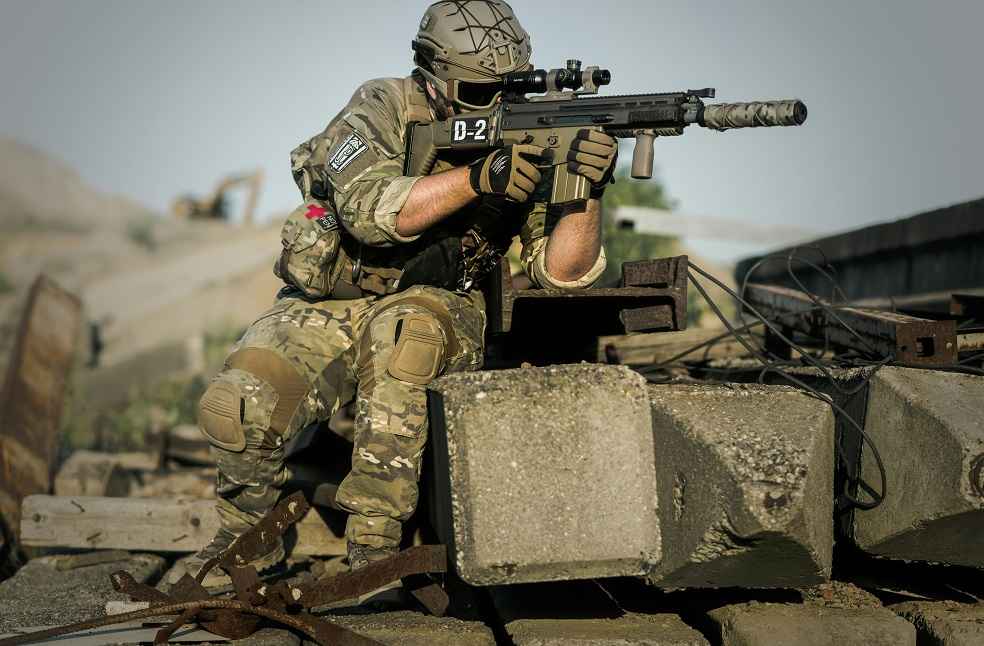
Japan has lifted its long-standing ban on exporting lethal weapons by abolishing the ‘five category’ rule that previously limited such transfers, signaling a significant departure from its post-war pacifist stance.
The decision, approved on Tuesday by Prime Minister Sanae Takaichi’s Cabinet, allows Japanese firms to export a broader range of defense equipment. This includes domestically developed warships, combat drones, and other military systems.
“With this amendment, transfers of all defense equipment will in principle become possible,” Takaichi said, adding that “recipients will be limited to countries that commit to use in accordance with the UN Charter.”
The decision has been welcomed by key defense partners such as Australia and nations in Southeast Asia and Europe. In contrast, China strongly criticized the move, warning that the global community would oppose what it described as Japan’s turn toward militarism.
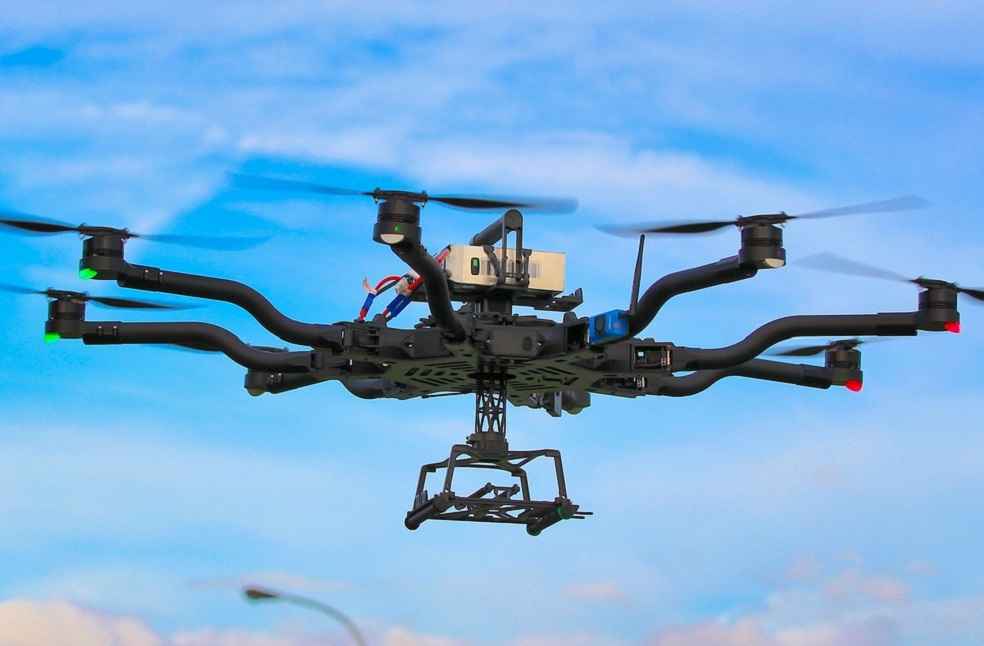
Earlier regulations, introduced in 1967 and implemented in 1976, limited Japan’s defense exports to non-lethal equipment such as surveillance systems and mine-sweeping tools.
Japan had renounced war under Article 9 of its post-World War II pacifist constitution, though in 2014, the administration of Prime Minister Shinzo Abe reinterpreted the clause to allow the Self‑Defense Forces to take a more active role in international peacekeeping and allied defense.
With the latest revision of the Three Principles on the Transfer of Defense Equipment and Technology, the government has removed limits that confined exports.
Japan, which has been steadily increasing its defense budget to address regional security challenges and provide support to allies during conflicts in the Middle East and Ukraine, recently finalized a $7.15 billion agreement with Australia. Under this deal, Japan’s Mitsubishi Heavy Industries will construct three warships for the Australian Navy.
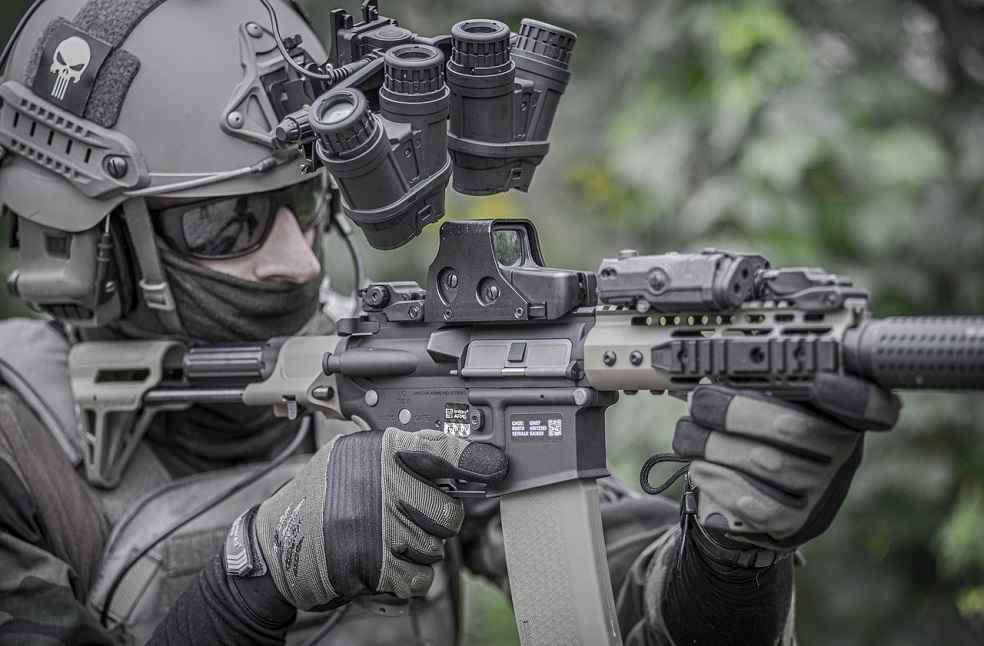
Under the revised three principles, promoting exports is seen as a way to strengthen cooperation among allied nations using shared equipment. The framework also stresses that a strong domestic defense industry is vital to maintain the production capacity needed for sustained military operations.
Exports of weapons such as destroyers and submarines will require review by the National Security Council, while non-weapon items like bulletproof vests will face no restrictions.
Weapon exports will be limited to 17 countries that have signed defense equipment and technology transfer agreements with Japan, including the Philippines and Indonesia.
LEADERS SPOT | Germany and Brazil to Boost Economic Ties with New Trade Agreements

