


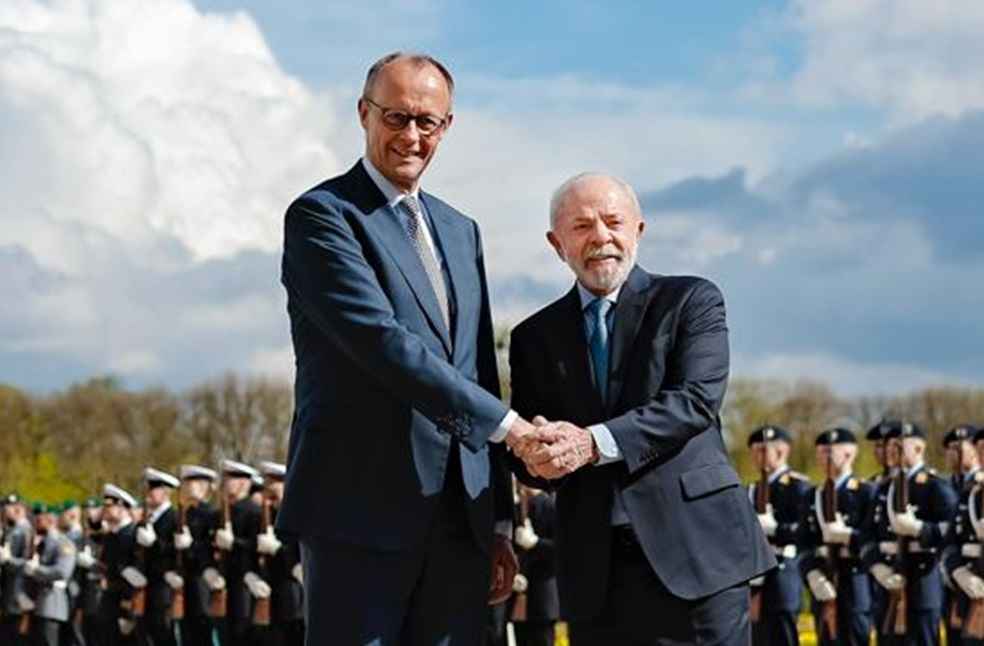
German Chancellor Friedrich Merz and Brazilian President Luiz Inácio Lula da Silva have committed to strengthening political and economic ties between their nations amid rising global instability.
On Monday, the two leaders, along with their government officials, approved a series of agreements to expand cooperation across a range of sectors, including defense, rare earth minerals, and renewable energy.
Merz also stated that Germany intends to double its trade with Brazil in the coming years.
Merz further noted that strengthening relations with Brazil forms part of Germany’s broader strategy to build closer economic relations with so-called ‘middle powers’ globally, aimed at reducing reliance on the United States and China.
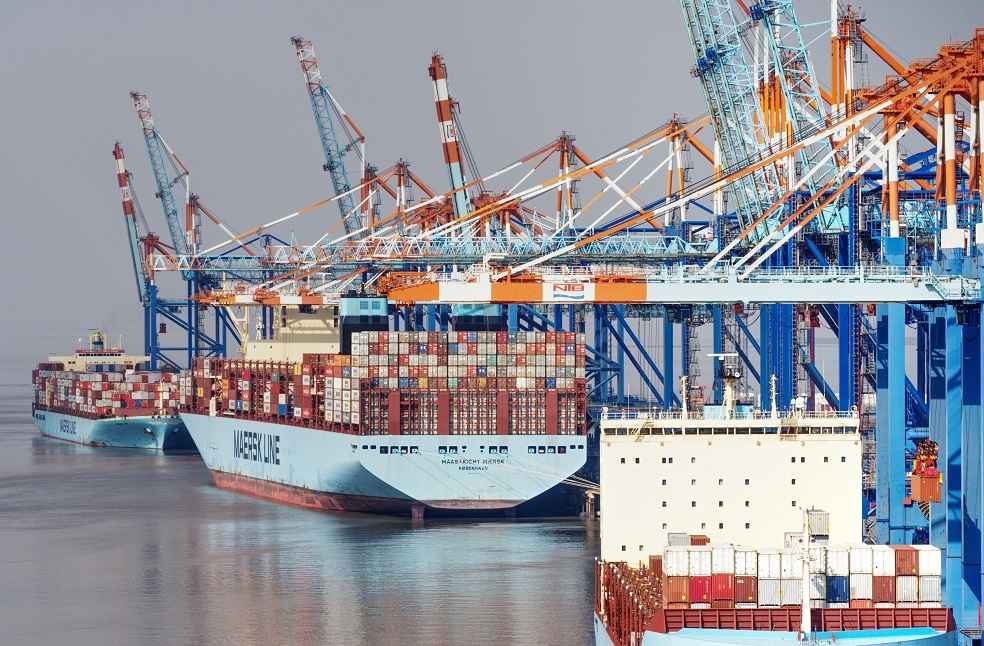
Germany’s commitment to expanding cooperation with Brazil comes at a time when its struggling export-driven economy is facing additional pressure from the wider fallout of the U.S.-Israel war with Iran.
Lula said that Brazil and Germany would collaborate to build greater independence in the technology sector, which is largely dominated by U.S. companies.
“We are interested in developing digital infrastructure such as data centers, high-performance computers, and semiconductors,” Lula said. “We no longer want to be dependent on foreign companies that enrich themselves at the expense of our citizens’ data—without any guarantees regarding privacy and security,” he added.

Among the 13 agreements reached between Berlin and Brasília during Monday’s consultations were declarations of intent to cooperate on defense procurement, quantum computing, and the development of critical and strategic minerals.
Merz also pledged to substantially increase trade between Germany and Brazil, noting that bilateral trade amounted to €20 billion in 2024.
BUSINESS GENERAL | Vietnam Pledges Stronger Support for U.S. Businesses to Boost Growth