


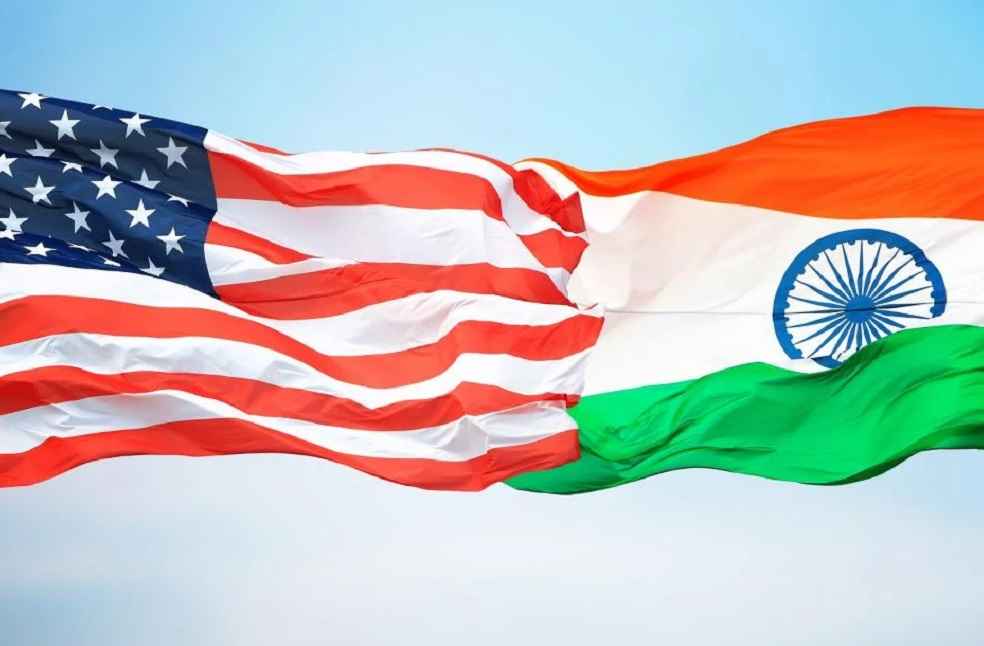
India and the United States reaffirmed their commitment to finalizing an agreement to strengthen bilateral trade and economic cooperation following four days of discussions held in New Delhi.
A delegation from the Office of the United States Trade Representative, led by the chief negotiator, visited India from June 1 to June 4 to advance further negotiations on the proposed Bilateral Trade Agreement (BTA).
According to India’s commerce ministry, the discussions were conducted in a cooperative manner with both sides engaging constructively across a broad spectrum of issues. These included trade in goods, non‑tariff measures, customs and trade facilitation, economic security alignment, and other areas of shared interest.
The latest round of negotiations follows the India–U.S. joint statement issued on February 7, 2026, under which the two countries agreed to establish a framework for an interim agreement on reciprocal and mutually beneficial trade. The framework also reaffirmed their commitment to pursue negotiations toward a comprehensive bilateral trade agreement.
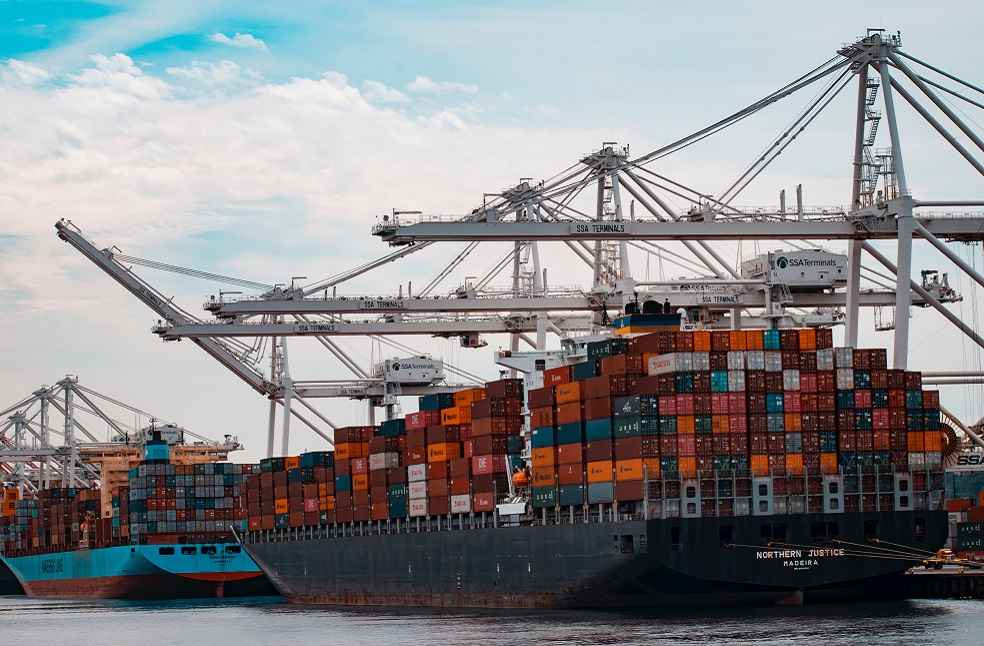
The negotiations come amid a U.S. proposal to impose additional tariffs on India and 59 other trading partners, citing concerns over inadequate measures to prevent imports of goods produced through forced labor. Under the proposal, India and most affected economies could face an extra 12.5% tariff, while countries deemed to have stronger enforcement measures would be subject to a 10% tariff.
The USTR stated that such practices could be actionable under Section 301(b) of the U.S. Trade Act of 1974, which authorizes investigations into unfair foreign trade measures. The proposed action spans a wide range of partners, including nations with existing free trade agreements. The proposal also includes a mechanism that would allow specified volumes of apparel and textile imports from certain countries to enter the U.S. at reduced tariff rates.

India is continuing discussions with the U.S. administration regarding the proposed tariff measures, with the Commerce Ministry noting that products already covered under Section 232 tariffs and certain other categories have been exempted from the proposed Section 301 actions. The ministry also reiterated India’s commitment to finalizing the framework agreement declared in February.
U.S. Ambassador Sergio Gor stated that 99% of outstanding issues in the interim trade deal have been resolved, with a conclusion possible within weeks.
For India, the proposed tariffs could significantly affect labour‑intensive export sectors such as textiles, garments, carpets, leather goods, brassware, and handicrafts, which may face additional duties of 10–12.5%. The final tariff structure will depend on the outcome of ongoing consultations and parallel negotiations between New Delhi and Washington.
GLOBAL ROUNDUP | USTR Proposes Tariffs Up to 12.5% on 60 Countries Over Forced Labor

