


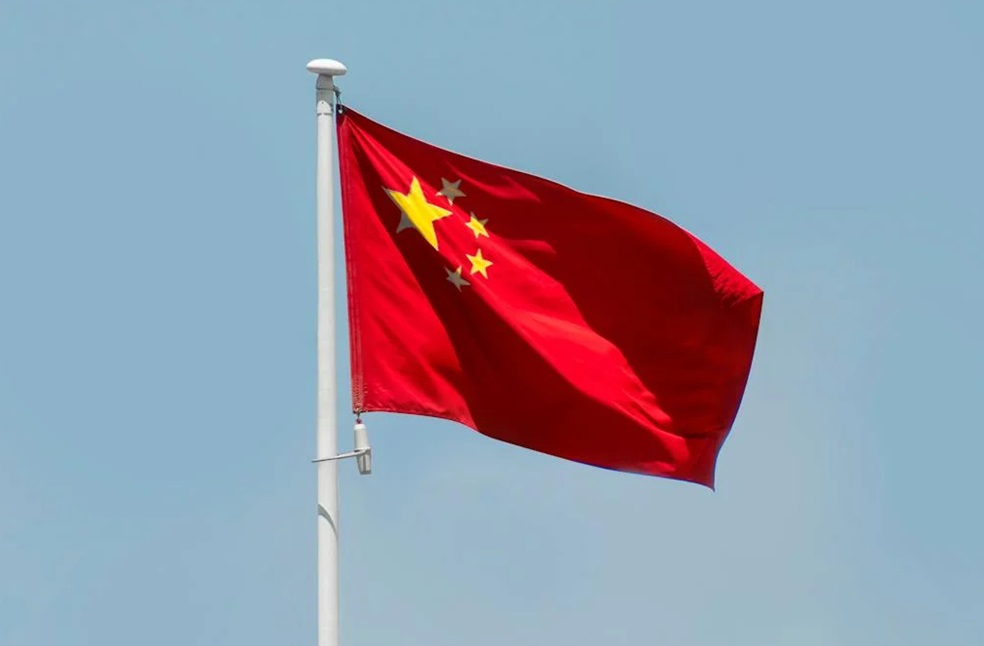
China has declared new export restrictions on three precursor chemicals bound for North America, tightening shipments to the United States, Canada, and Mexico.
The measures introduced on Friday require exporters to obtain government licenses before sending these chemicals to North America, according to China’s commerce ministry. The move comes as the U.S. and China increase cooperation on combating drug trafficking following U.S. President Donald Trump’s recent visit to Beijing.
The U.S. Narcotics Control Commission also issued a warning regarding eight additional chemicals that can be used in the production of synthetic drugs, urging companies involved in their trade to strictly follow legal requirements. These actions follow similar anti-narcotics restrictions introduced by Beijing in November, which came after a meeting between Trump and Xi Jinping in South Korea.
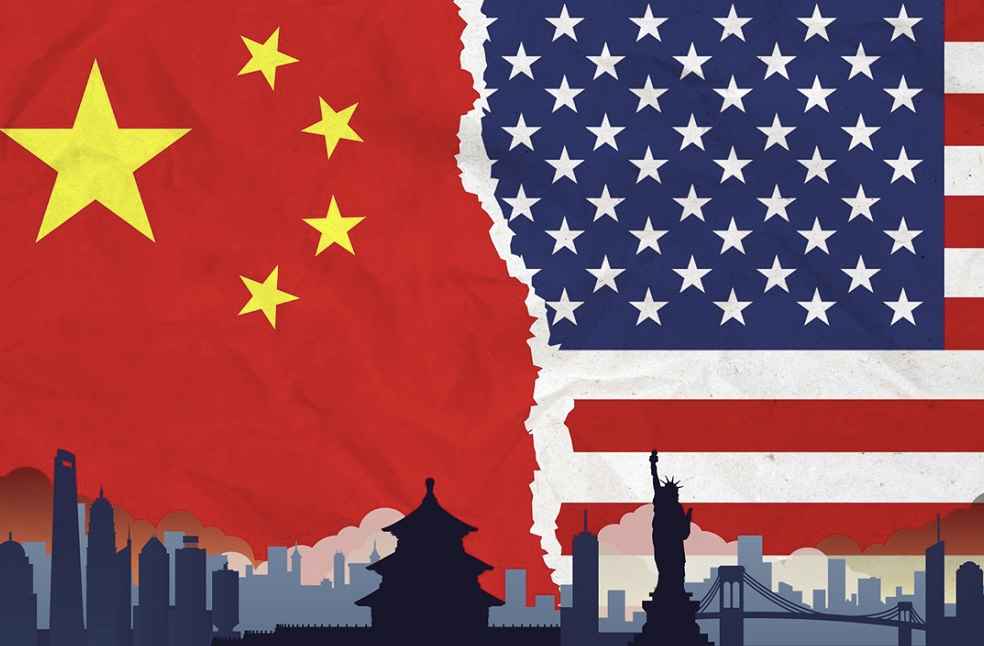
China remains the primary source of precursor chemicals used in the manufacturing of fentanyl, a powerful opioid linked to a major drug crisis in the United States. In response to concerns over China’s alleged role in the fentanyl supply chain, Washington has kept a 10% tariff on Chinese imports.
During earlier talks, the United States had agreed to lower tariffs on China in return for Beijing taking stronger action against illegal fentanyl flows.
Washington has repeatedly accused China of not adequately controlling fentanyl precursor chemicals, which prompted Trump to introduce related tariffs in early 2025—though these were later struck down by the U.S. Supreme Court in February. China has consistently rejected the allegations, arguing that the opioid crisis is an internal U.S. issue.
However, combating drug smuggling has become a growing area of cooperation between the two nations.
TRADE WORLD | U.S. Extends AGOA, Renews Duty-Free Access for African Exporters