


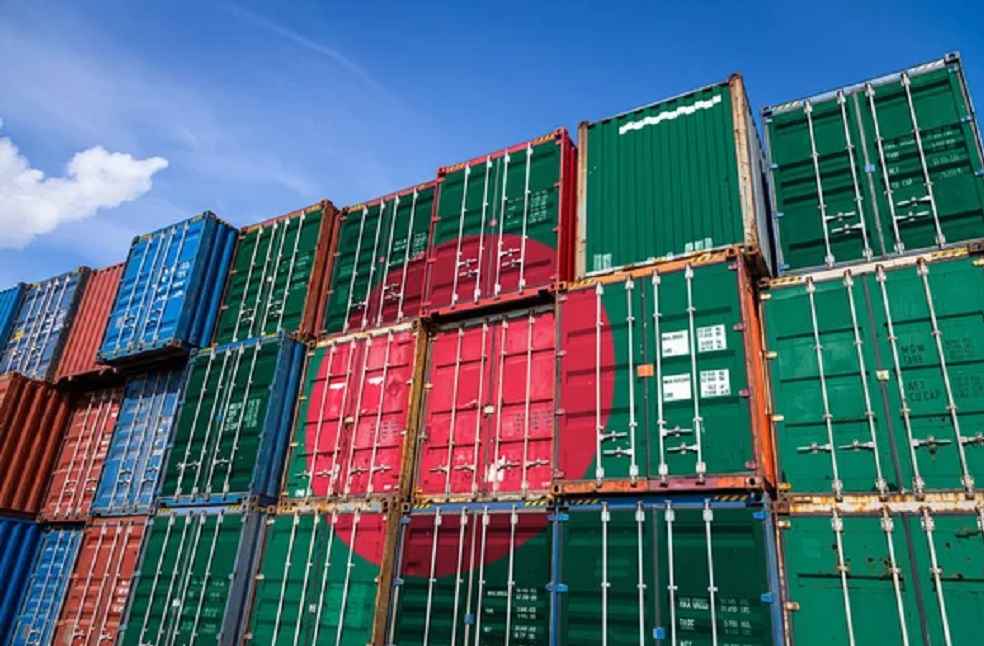
New Zealand has affirmed its interest in maintaining duty-free access and preferential market facilities for Bangladesh even after the nation’s graduation from the Least Developed Country (LDC) category.
During a meeting with Bangladesh’s Commerce, Industries, and Textiles and Jute Minister Khandakar Abdul Muktadir, New Zealand’s non-resident high commissioner to Bangladesh, David Pine, made the remarks on Sunday, signaling continued support for Bangladesh’s trade opportunities.
The two sides also discussed ways to further expand bilateral trade and investment ties while also considering better utilizing existing regional trade agreements. They also explored the prospect of establishing a comprehensive Bilateral Free Trade Agreement (FTA) to deepen economic cooperation between the two countries.
Muktadir emphasized that boosting investment and creating employment opportunities are key to ensuring a smooth transition for Bangladesh from its least developed status. He noted that since the Ready-Made Garments (RMG) sector accounts for a significant share of national exports, preserving its competitiveness and securing continued preferential market access remain essential.

The minister noted that the government is prioritizing industrialization, job creation, and export diversification to strengthen economic resilience and maintain growth momentum. He also encouraged investors from New Zealand to explore opportunities in Bangladesh by taking advantage of its investment-friendly policies and promising sectors.
David Pine highlighted the need to diversify trade in the current global environment, both in exports and import sources, for mutual benefit. He reaffirmed that New Zealand places strong importance on maintaining existing duty-free and preferential market access for Bangladesh after its LDC graduation.
He also expressed New Zealand’s interest in establishing a stable and long-term trade framework with Bangladesh.
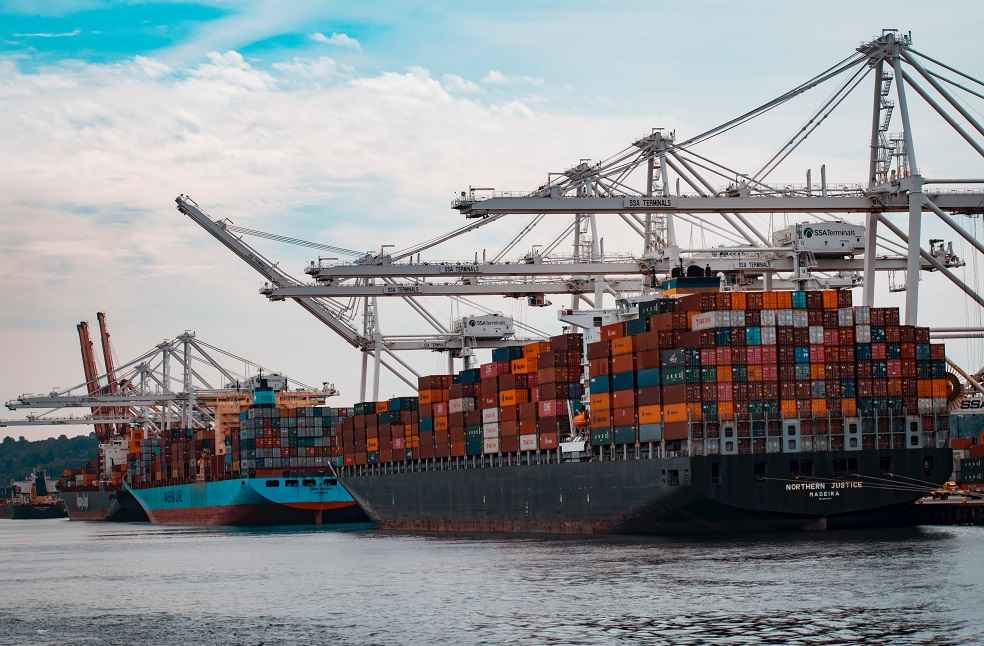
According to the Export Promotion Bureau, Bangladesh exported goods worth $99.73 million to New Zealand in fiscal year 2024–25, with about 90% comprising garment products. During the July–April period of the current fiscal year, exports totaled $78.93 million.
The country is set to graduate from the LDC category on November 24 this year, although it has requested a three-year extension until 2029 from the United Nations.
Several countries, including the United Kingdom, Canada, and Australia, have already confirmed that they will maintain preferential market access.
However, the country could face annual export losses of around $17.5 billion following graduation, as nearly 75% of its exports currently benefit from LDC-related preferences.
MOST POPULAR | China, U.S. Reach Trade Cooperation Deal After High-Level Talks