


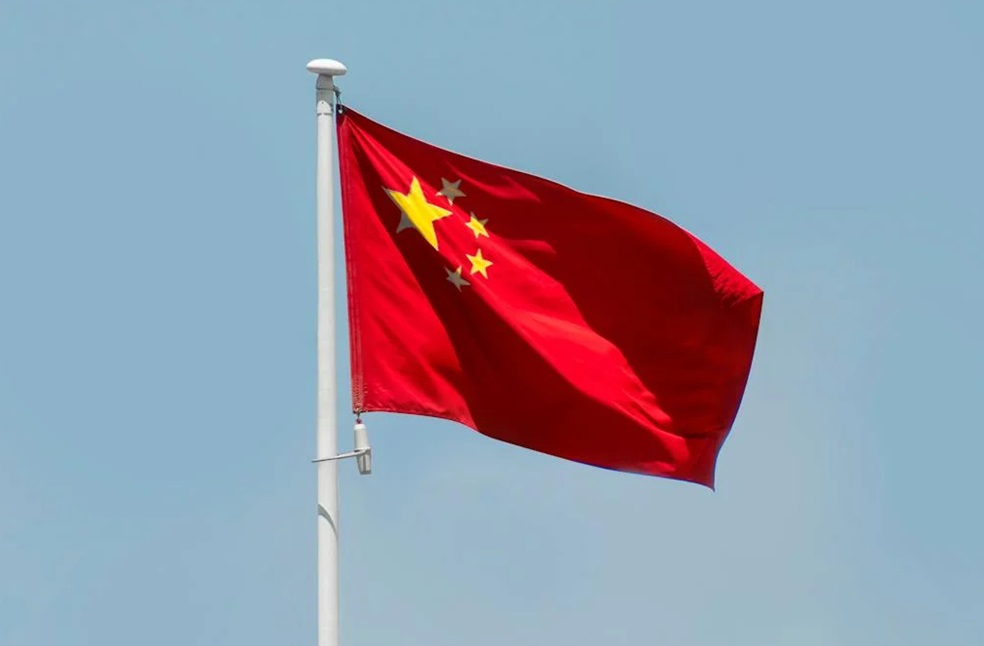
China has declared the full implementation of the zero-tariff policy for 53 African nations that maintain diplomatic relations with Beijing, including Nigeria. The initiative is intended to enhance trade relations and improve access for African goods in the Chinese market.
The policy, effective from May 1, represents a major move in China’s wider effort to deepen economic cooperation with Africa under what it calls a framework of shared development.
Under the new framework, Nigerian exports—especially agricultural products like sesame, ginger, cashew nuts, and cocoa—are expected to gain smoother entry into the Chinese market, as long as they comply with rules of origin as well as quality, inspection, and quarantine standards.
Chinese officials noted that the policy expands on an earlier program that already provided zero-tariff access to 33 least developed African countries and now extends similar preferential treatment to an additional 20 nations, including Nigeria.

With this, all African states maintaining diplomatic ties with Beijing are covered, making China the first major global economy to introduce such a wide-ranging unilateral tariff arrangement.
Experts suggest the measure will reduce costs for Nigerian goods entering China, likely increasing trade flows and fostering more consistent demand. Beyond market access, the policy is expected to stimulate improvements in product standards, promote value-added processing, and strengthen the international competitiveness of Nigerian exports.
Eliminating tariffs could attract investment into vital areas such as agriculture, food processing, manufacturing, and mineral development, while also promoting job creation and economic diversification. The policy is viewed as a chance for Nigeria to transition from exporting mainly raw commodities to producing higher value-added goods, as stronger demand from China may spur growth in domestic processing industries and related services like packaging, logistics, and quality control. Analysts stress that the extent of Nigeria’s gains will hinge on its capacity to meet export requirements and expand production to satisfy market demand.
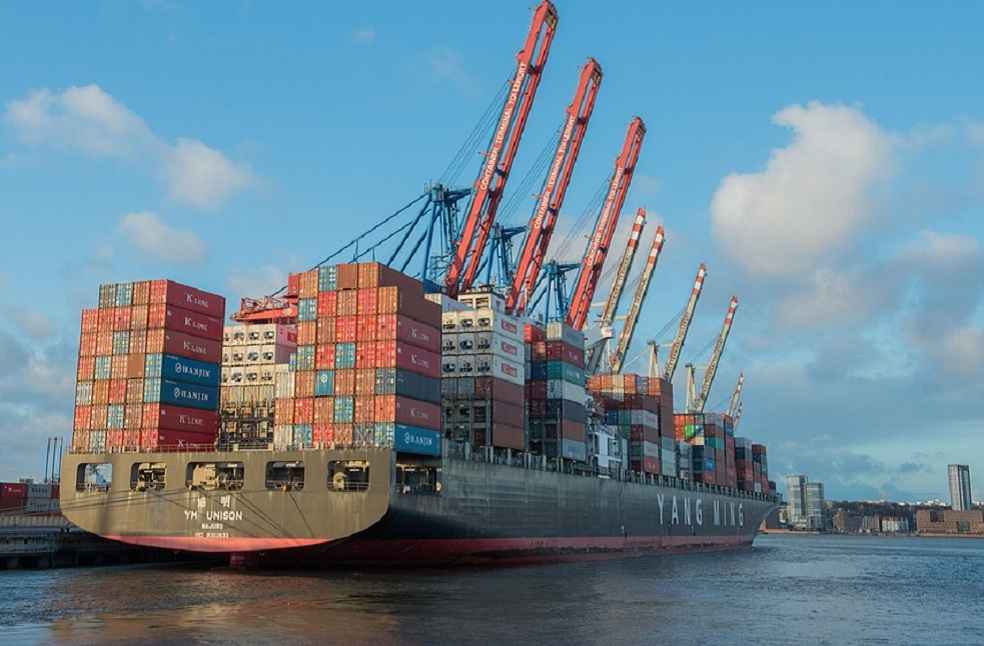
Chinese authorities stated that African exporters will receive support such as technical assistance, trade facilitation, and access to major platforms like the China International Import Expo and the Canton Fair, aimed at helping them fully benefit from the policy. The zero-tariff program also forms part of broader talks on a China–Africa economic partnership agreement, which aims to further ease trade restrictions and deepen long-term cooperation.
The move takes place against a backdrop of global economic uncertainty and growing protectionism, with China presenting it as a commitment to openness and mutual growth with African countries, including Nigeria.
TRADE WORLD | Nigeria and Malaysia Trade Reaches $1.21bn Over Five Years

