



Trade between Nigeria and Malaysia has reached approximately $1.21 billion over the past five years, largely supported by a significant increase in imports from Southeast Asia, according to the Nigeria Customs Service (NCS).
The data indicates that imports from Malaysia rose from around $106.6 million in 2020 to about $477.3 million in 2024, reflecting steady growth in bilateral trade relations. Overall trade between the two countries during the period was estimated at $1.21 billion.
Abdullahi Maiwada, Public Relations Officer of the NCS, stated that the growth highlights the strengthening commercial relationship between both nations, as well as ongoing efforts to enhance cooperation between customs authorities. He added that the trend is consistent with wider initiatives aimed at improving trade facilitation and regulatory collaboration.

Maiwada said the recent engagement between Nigeria and Malaysia followed a visit by Comptroller-General of Customs Adewale Adeniyi to the Malaysian Customs Department headquarters during his participation in DSA Malaysia 2026. Adeniyi was received by Director-General Dato’ Haji Amran bin Haji Ahmad, with discussions focused on customs modernization, institutional collaboration, and coordinated border management.
He explained that despite long-standing trade ties, no formal legal framework currently governs customs cooperation between the two countries. To address this, both sides agreed to initiate steps toward a Mutual Recognition Agreement under the World Customs Organization framework, to be advanced through diplomatic channels, aimed at improving trade facilitation.
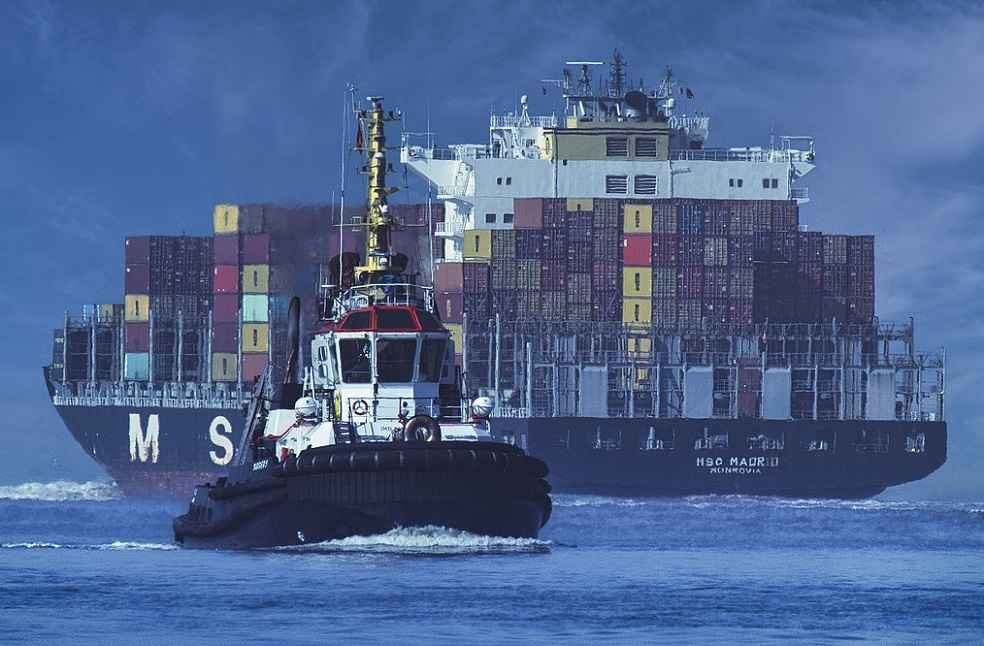
Adeniyi emphasized that the growing scale of trade between Nigeria and Malaysia now necessitates a more structured customs partnership. He identified Malaysia as a key trading partner for Nigeria, with major imports including crude palm oil, refined palm olein, jet fuel, food products, machinery, and industrial inputs.
He also highlighted Nigeria’s ongoing customs modernization agenda, particularly the Authorized Economic Operator program, which is designed to accelerate clearance processes, lower transaction costs, and improve compliance.
Both sides also explored deeper cooperation in intelligence sharing, enforcement coordination, and technology-driven border management, with a particular focus on combating illicit trade and transnational trafficking.
Maiwada stated that the NCS is committed to strengthening bilateral and multilateral partnerships to promote trade expansion while protecting economic and security interests.
Aerospace And Defence | Ukraine to Begin Weapon Exports Under New ‘Drone Deals’ Framework