


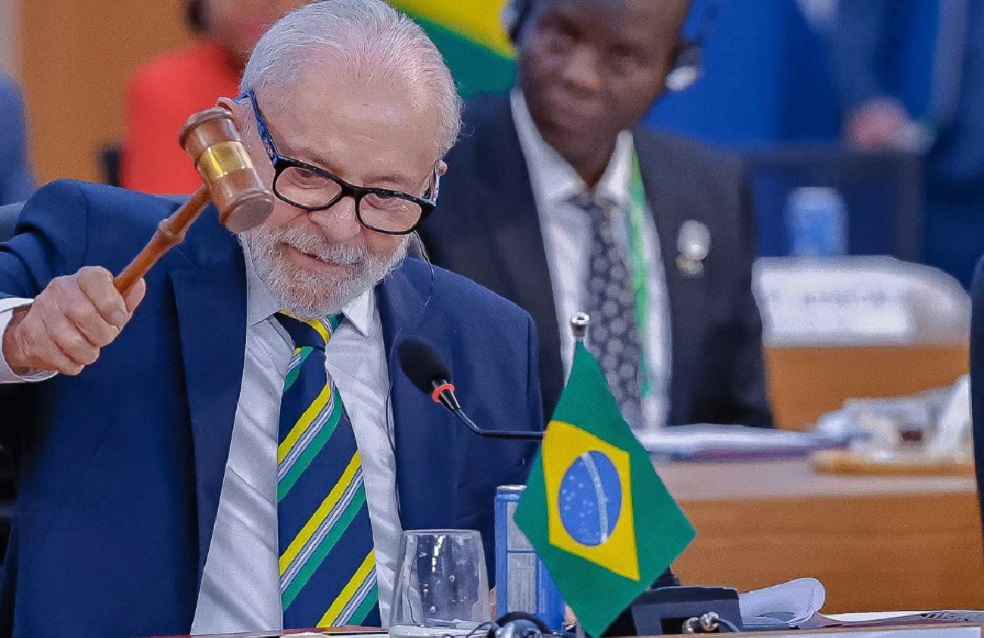
President Luiz Inácio Lula da Silva on Wednesday signed an executive decree authorizing an emergency credit line of 18.5 billion reais ($3.65 billion) to support Brazilian companies in mitigating the impact of newly imposed 25% U.S. tariffs.
Speaking at the Planalto Palace in Brasília, Lula described the financial support package as evidence of Brazil’s economic resilience, emphasizing that Latin America’s largest economy is resilient enough to withstand Washington’s latest trade measures.
“We are demonstrating that there is no crisis that can prevent Brazil from continuing its trajectory of economic growth,” he said.
Referred to as “Sovereign Brazil III,” the initiative represents the government’s third major support package designed to assist exporters in managing the impact of trade disputes with the United States. Of the 18.5 billion reais allocated, 13.5 billion reais ($2.66 billion) will be drawn from unallocated Treasury reserves earmarked during the 2025 credit rollout, with the remainder provided by BNDES, Brazil’s state development bank.

The subsidized loans will be extended to manufacturers affected by the newly imposed 25% tariff, as well as steel producers impacted by earlier U.S. duties.
The latest U.S. tariffs were introduced following an investigation by the Office of the United States Trade Representative (USTR), which determined that certain Brazilian trade and digital policy measures created unfair disadvantages for U.S. businesses.
According to Brazilian government estimates, the tariffs are expected to affect approximately 18% of the country’s exports to the United States. However, domestic industry organizations have cautioned that the broader economic impact could extend to nearly one-third of Brazil’s shipments destined for the U.S. market.
The tariffs have had the greatest impact on sectors such as industrial machinery, sugar, ethanol, timber, and footwear. However, the United States government granted exemptions for approximately 2,100 product categories, allowing major Brazilian exports, including beef, coffee, crude oil, and aircraft components, to avoid the additional duties.
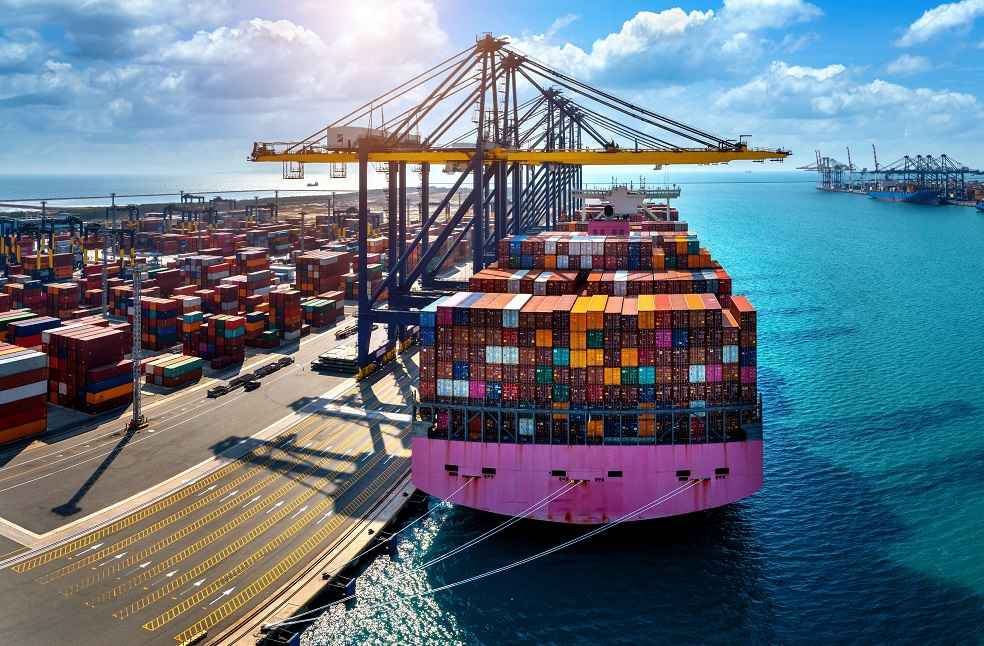
While President Luiz Inácio Lula da Silva emphasized that Brazil remains open to diplomatic engagement with Washington, he also indicated that the country would diversify its trade by expanding access to markets in Asia, Europe, and the Middle East.
The diplomatic dispute between Brazil and the United States could intensify in the coming weeks, as Brazil remains among several countries subject to a separate U.S. trade investigation into alleged labor violations within global supply chains. The inquiry could lead to the imposition of a further 12.5% tariff on affected exports.
POLICY & LAW | EU Says Generic Medicines Likely to be Exempt from U.S. Tariffs

