


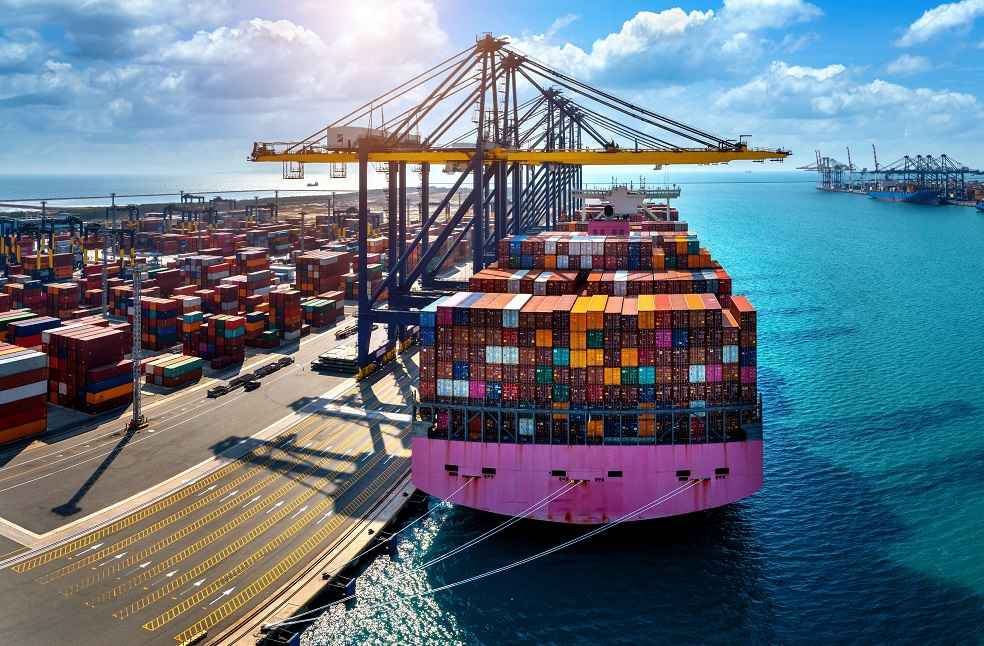
Russia stated on Tuesday that it is preparing to redirect grain exports away from the Sea of Azov after Ukrainian strikes disrupted shipping in the waterway, heightening concerns over one of the country’s key agricultural trade routes.
Russia’s Ministry of Agriculture said it is preparing to utilize alternative shipping routes and may redirect grain exports through other modes of transport to ensure continuity.
“The situation in the Azov Sea will not affect the domestic market’s food supply or our country’s export capabilities,” the ministry added.
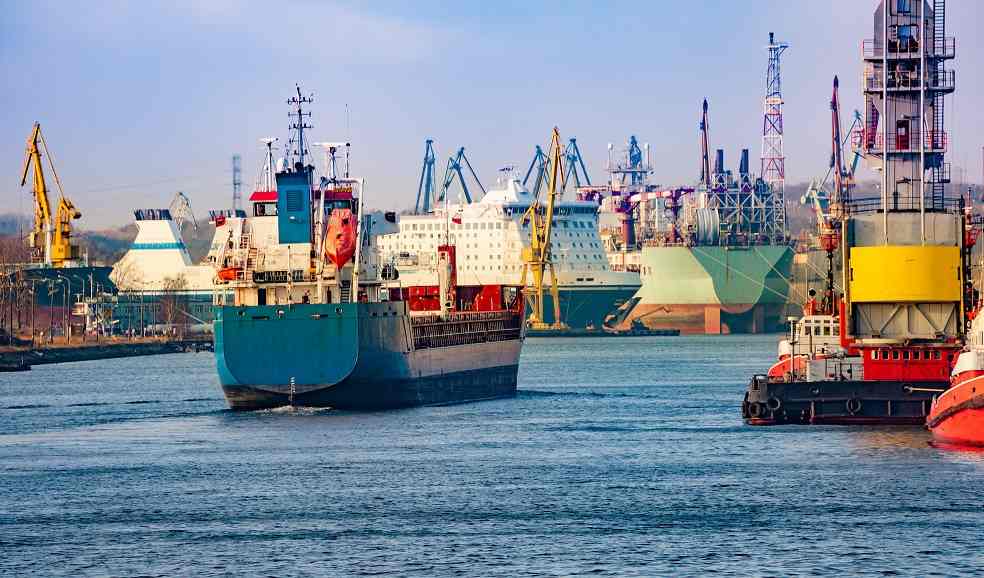
Ukrainian military commander Robert Brovdi said on Telegram that overnight drone strikes targeted 11 Russian vessels in the Sea of Azov, including five tankers, five dry cargo ships, and a tugboat. According to Brovdi, the attacks bring the total number of Russian vessels hit over the past nine days to 116.
The strikes are part of Ukraine’s intensified campaign against Russian oil refineries and other energy infrastructure, which has contributed to fuel supply disruptions in Russia.
Although the ministry has not officially confirmed restrictions on shipping in the Sea of Azov, industry sources report that vessel movements remain limited. According to sources, ships can still operate within the sea but are currently unable to pass through the Kerch Strait, the crucial link to the Black Sea.
The Sea of Azov typically accounts for about a quarter of Russia’s grain exports, making it an important route for the country’s agricultural trade.
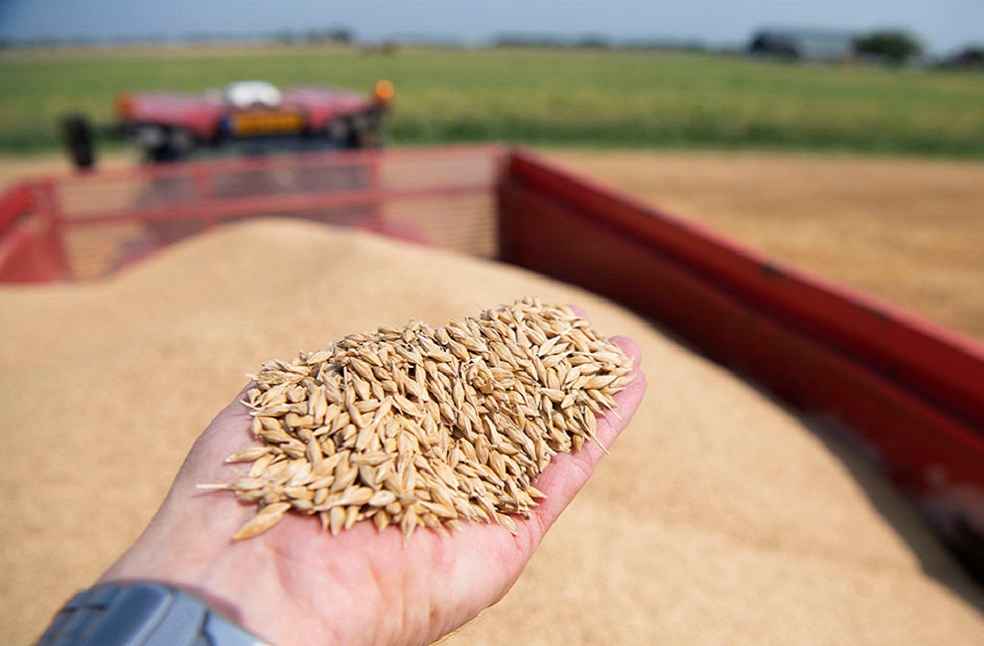
Grain exporters said cargo could be rerouted through deep-water Black Sea terminals or Baltic Sea ports to maintain shipments. Russia’s Union of Grain Exporters and Producers assured that contractual commitments to foreign buyers would still be met despite logistical hurdles.
As one of the world’s largest wheat suppliers, any disruption to Russia’s export routes could impact global food supplies and prices. While Moscow insists alternative ports can absorb the lost capacity, prolonged restrictions in the Sea of Azov may drive up transport costs, delay deliveries, and add uncertainty to international grain markets.
TEXTILE & APPAREL | Bangladesh Remains Second-Largest Apparel Supplier to U.S.