



Bangladesh and South Korea on Tuesday signed a Comprehensive Economic Partnership Agreement (CEPA) in Dhaka to strengthen trade and investment ties.
Bangladesh Commerce Minister Khandakar Abdul Muktadir and South Korean Trade Minister Han-Koo Yeo formally announced the agreement during a press conference in Dhaka. The deal marks Bangladesh’s first comprehensive free trade agreement under the current government.
Under the agreement, nearly 97% of Bangladeshi goods and services will gain preferential tariff access in South Korea, while 87% of South Korean exports will receive similar benefits in Bangladesh.
Bangladesh’s Commerce Minister called the agreement a major milestone for the government, noting that the country finalized its first CEPA with one of the world’s largest economies within five months of assuming office. The pact follows the former interim government’s Economic Partnership Agreement (EPA) with Japan in February, as Bangladesh seeks to maintain its competitiveness following its graduation from the Least Developed Country (LDC) category.
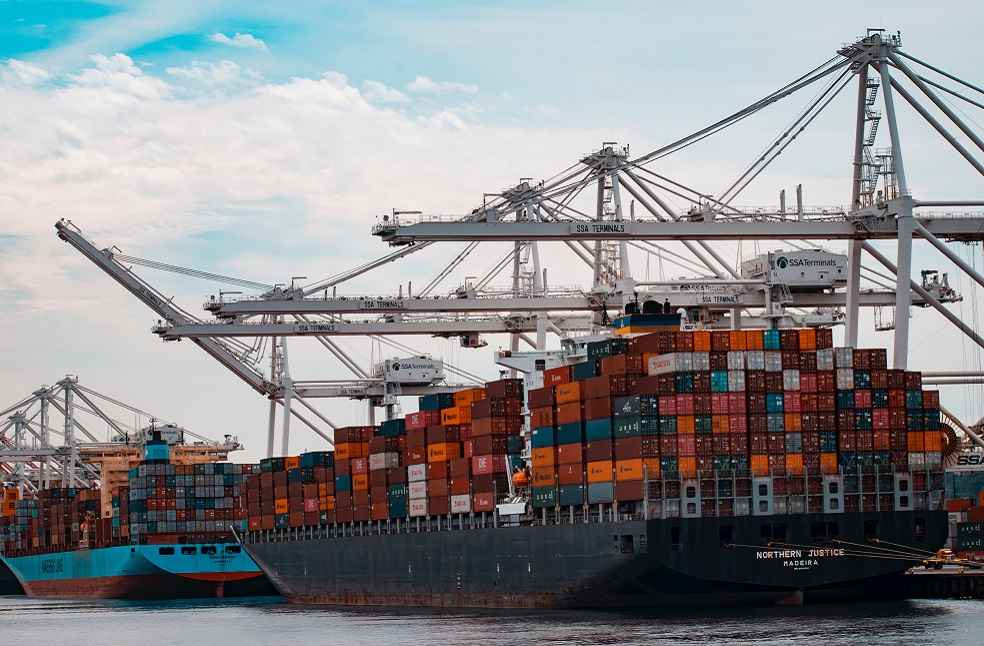
According to official figures, bilateral trade between Bangladesh and South Korea is currently valued at around $1.39 billion. Bangladesh exports goods worth approximately $491.73 million to South Korea each year, while imports from South Korea amount to nearly $902.90 million, resulting in a trade deficit of about $411 million for Bangladesh.
Once implemented, the agreement will grant immediate duty‑free access to 8,428 Bangladeshi products in the South Korean market. Key exports such as ready‑made garments, leather, and jute items will benefit from preferential tariffs. In return, 87% of South Korean exports—including agricultural goods, plastics, and spare parts—will enjoy similar advantages in Bangladesh.
Beyond merchandise trade, the CEPA also provides for expanded cooperation in services. Bangladesh will open 95 service sub-sectors to South Korea, while South Korea will offer access to 111 sub-sectors across four modes of service delivery, supporting technology exchange and greater participation of skilled professionals.

Bangladesh’s current exports to South Korea include ready‑made garments, home textiles, leather goods, footwear, pharmaceuticals, jute products, frozen foods, and ceramics. In return, it imports industrial machinery, iron and steel, electrical equipment, plastics, chemicals, and paper products.
Furthermore, the CEPA is expected to drive industrialization, attract foreign investment, and create jobs, positioning Bangladesh to maintain global competitiveness as it prepares to graduate from Least Developed Country status. The framework also aims to encourage cross‑border investment and technology collaboration, paving the way for joint ventures in high‑value sectors such as consumer electronics, automotive components, shipbuilding, IT, and advanced manufacturing.
However, experts note that fully benefiting from the agreement will depend on improving domestic capabilities. Key priorities include raising manufacturing productivity, developing stronger product design expertise, simplifying customs procedures, upgrading port facilities, and expanding the skilled workforce needed to compete in global markets.
INSPIRING | Indonesia and Thailand Target $20 Billion in Trade by 2030