


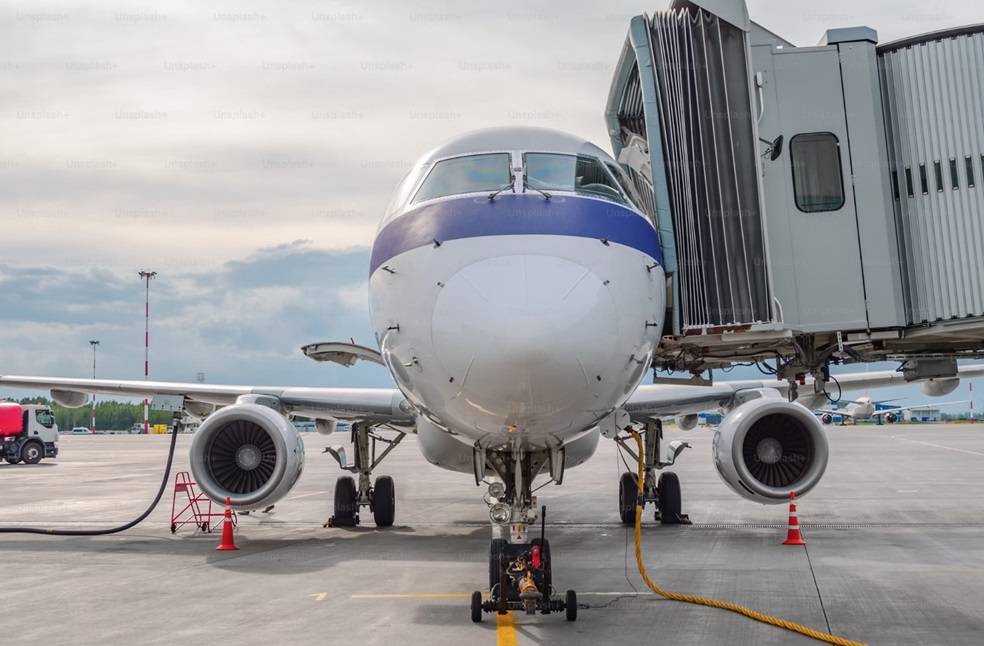
The Russian government declared on Friday that it would extend its ban on jet fuel exports until March 31, 2027, as domestic energy supplies continue to face pressure from Ukrainian attacks on oil refineries.
Russia initially introduced the export ban in June following Ukrainian drone strikes on several refineries, which disrupted domestic fuel production and contributed to regional shortages. The existing restrictions were scheduled to expire on Monday.
The extended ban will take effect on Tuesday, December 1, and remain in place until March 31, 2027.
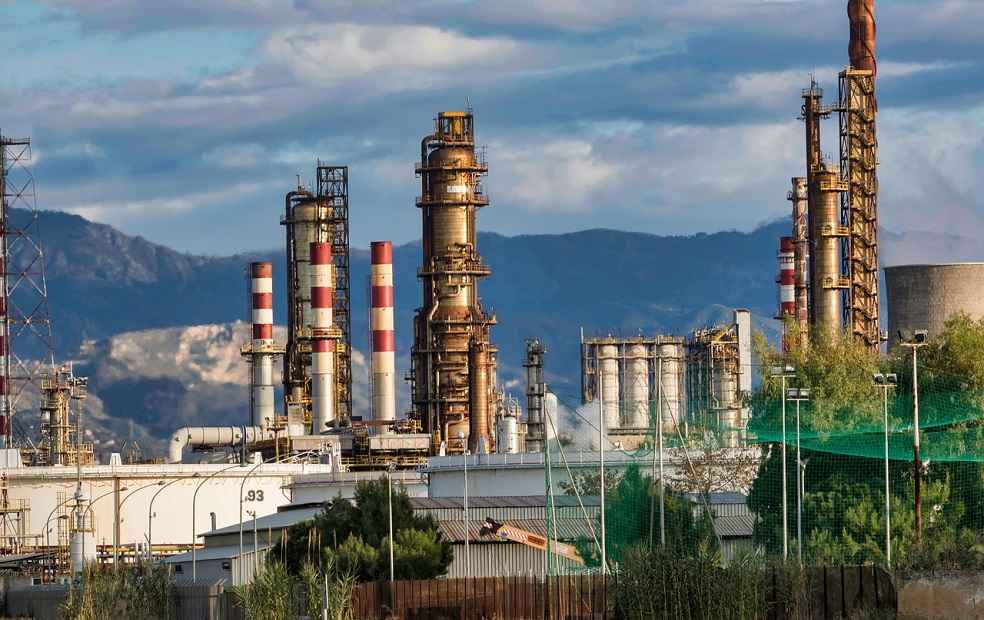
The export restrictions include exemptions for international intergovernmental agreements, humanitarian aid deliveries, and fuel supplies intended for the Russian military. Additional exceptions apply to the Baikonur spaceport in Kazakhstan and Russian operations in Norway’s Svalbard archipelago. The decree, signed by Prime Minister Mikhail Mishustin, also outlines three further exemptions classified as being ‘for official use’ in the published document.
Deputy Prime Minister Alexander Novak said earlier this week that conditions in Russia’s domestic fuel market remain ‘strained’ as several major oil refineries undergo ongoing repair work. Novak told reporters on Wednesday that the country continues to face a fuel shortfall, which is being addressed through imports from both neighboring countries and more distant markets.

Novak added that the authorities will determine next month whether gasoline imports should continue into 2027 and whether existing export restrictions, due to expire in January, should be extended. He said the decisions would depend on the country’s refining capacity and its ability to meet domestic fuel demand.
TRADE WORLD | Pakistan and Russia Sign Five-Year Economic Cooperation Deal