


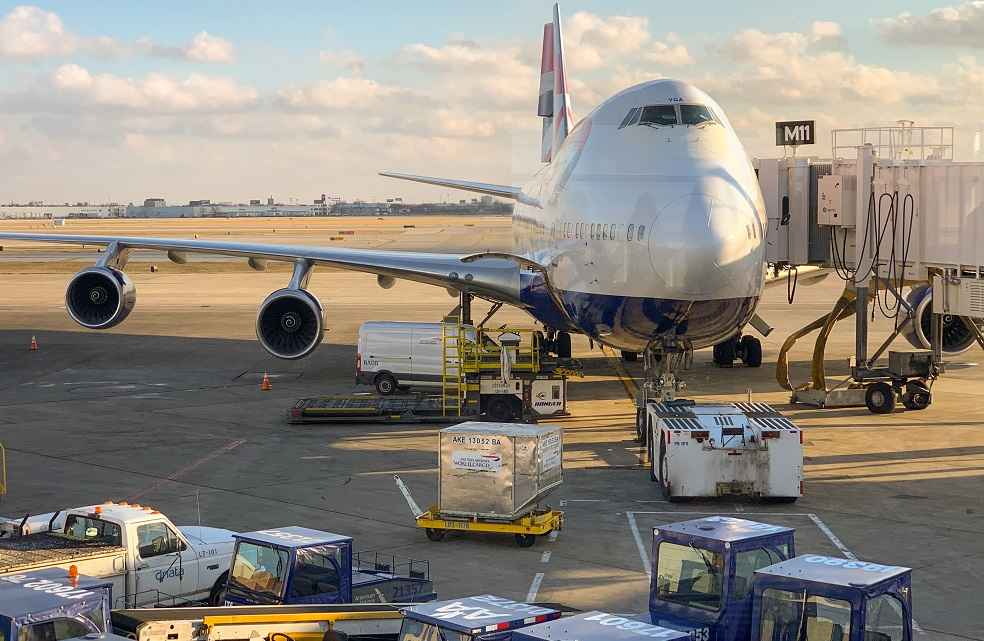
Nigeria has expanded its air cargo partnership with Rwanda to all exporters holding an African Continental Free Trade Area (AfCFTA) Certificate of Origin, following a four-month pilot program designed to lower the cost of shipping Nigerian goods to East and Southern African markets.
Minister of Industry, Trade and Investment, Jumoke Oduwole declared the expansion in Lagos during the signing of an operational roadmap between the ministry and RwandAir at the Creative Africa Nexus (CANEX) WKND 2026. Under the initiative, eligible Nigerian exporters will be able to ship goods from Lagos to Kigali, Nairobi, Johannesburg, Harare and Lusaka at cargo rates ranging between $1.20 and $1.90 per kilogram, improving access to key African trade corridors.
Oduwole said the cargo rates were 50 to 70% lower than those of comparable commercial carriers. She noted that exporters previously paid between $3 and $10 per kilogram to ship goods to other African markets, limiting their competitiveness. She noted that the corridor’s first shipment departed on June 19, with nine exporters sending products to four destinations. Since then, around 20 consignments have been transported through the route.
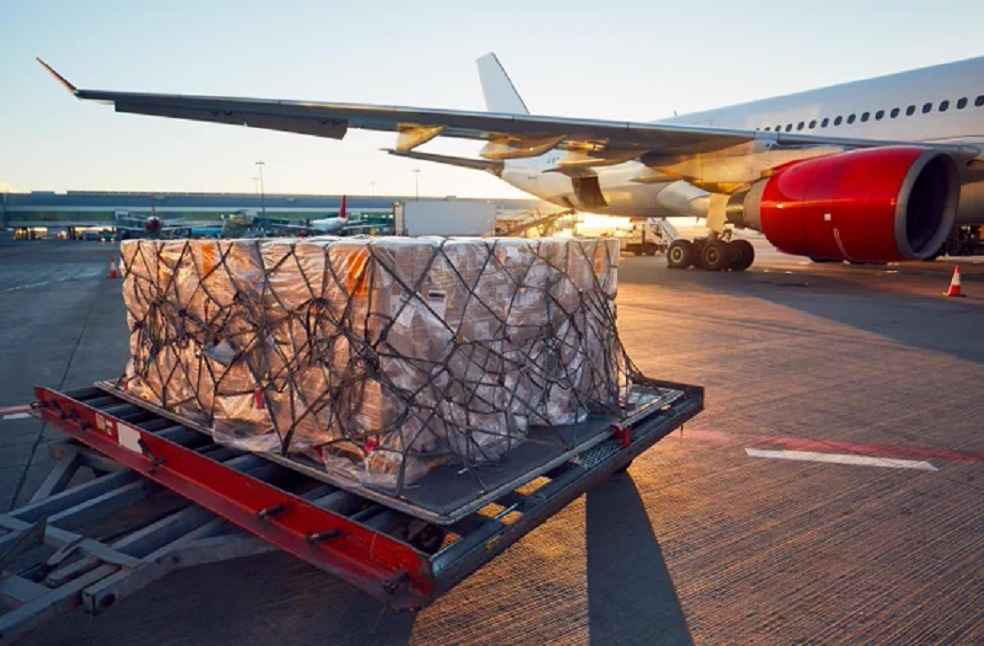
The operational roadmap establishes a three-year partnership between Nigeria and Rwanda, with both countries set to explore mutually beneficial cargo pricing and tackle distribution bottlenecks through government-to-government cooperation. The ministry also intends to incorporate Rwanda into its AfCFTA capacity-building initiatives for Nigerian exporters, where feasible.
According to the minister, the initiative emerged from negotiations facilitated by the Federal Government in April 2026, with backing from the United Nations Development Programme (UNDP) Regional Bureau for Africa. The negotiations were followed by talks between President Bola Tinubu and Rwandan President Paul Kagame in Kigali in May.
Oduwole said Nigeria’s non-oil exports rose by 11.5% to $6.1 billion in 2025. She added that the government was addressing logistics costs, market access and export financing to sustain the growth. She also announced the launch of the first phase of Nigeria’s Trade Intelligence Portal, which provides trade and investment data and connects investors with business opportunities through a virtual deal room.

RwandAir’s Regional Manager for West and Central Africa, Ginnette Kadagiri, said exporters were already using the arrangement, with weekly shipments to Rwanda, Kenya and South Africa. She said the reduced freight charges would help Nigerian businesses, particularly those in the creative and food sectors, access regional markets. Kadagiri added that air freight offered faster delivery, security and improved documentation, although transportation choices would depend on the goods and destination.
Rwanda’s High Commissioner to Nigeria, Moses Rugema, said the partnership would improve market access for African businesses, particularly small and medium-sized enterprises. He urged exporters to take advantage of RwandAir’s network, stressing that businesses must translate the agreement into actual trade opportunities. He added that the partnership strengthened longstanding ties between the two countries, noting that RwandAir would mark 15 years of operations in Lagos in December.
IMEX SECTOR | China Signals Readiness to Expand U.S. Agricultural Imports