


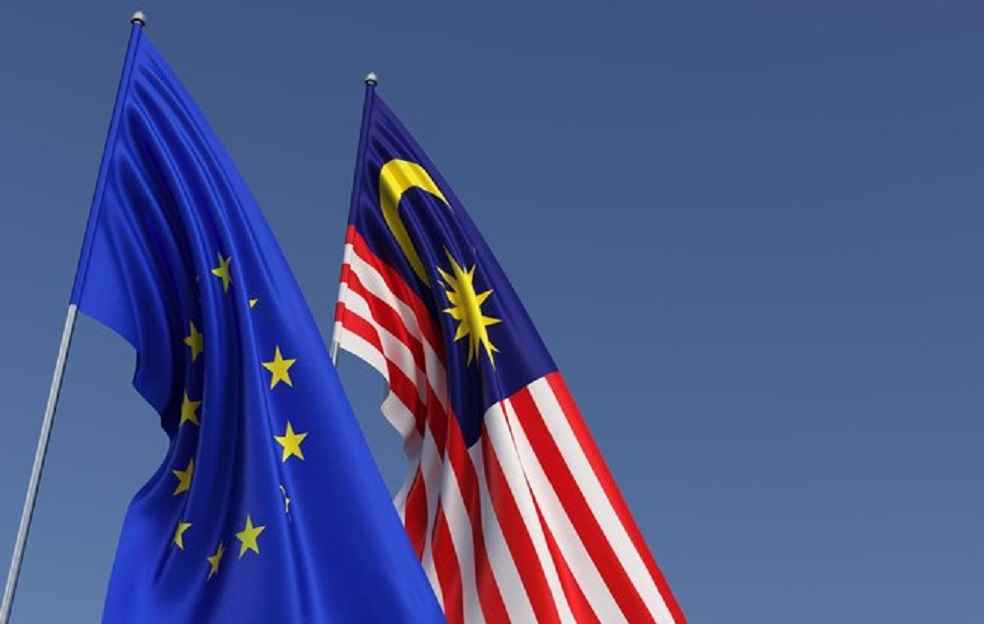
Malaysia and the European Union are in the final stages of concluding a Free Trade Agreement and a broad partnership aimed at boosting economic collaboration and deepening bilateral relations.
Malaysia’s Foreign Minister, Mohamad Hasan, stated that the positive progress stems from the EU’s growing recognition of Southeast Asia as a vital strategic bloc, amid U.S. tariff actions and instability caused by the Russia-Ukraine conflict.
Hasan did not provide a specific timeframe but said Malaysia aims to conclude the agreement swiftly, as it could help drive stronger trade between Malaysia and the European Union.
In September last year, EU Trade Commissioner Maroš Šefčovič stated that the Malaysia–EU Free Trade Agreement could be completed within the year, with bilateral trade already valued at about €46 billion.
During his meeting with Kaja Kallas, Hasan also addressed the issue of Europe’s strong anti-palm oil sentiment, rejecting the ongoing campaigns against palm oil that continue to be actively promoted in several countries across the region.
On the EU Deforestation Regulation (EUDR), Hasan urged the bloc not to equate Malaysia’s forest sustainability standards with those of other countries. He stressed that most of Malaysia’s palm oil sector is run by major plantation companies that adhere strictly to the Malaysian Sustainable Palm Oil (MSPO) certification.
Hasan further called on the EU to carry out a thorough evaluation of Malaysia’s sustainably managed oil palm plantations before introducing any measures that could be deemed discriminatory.
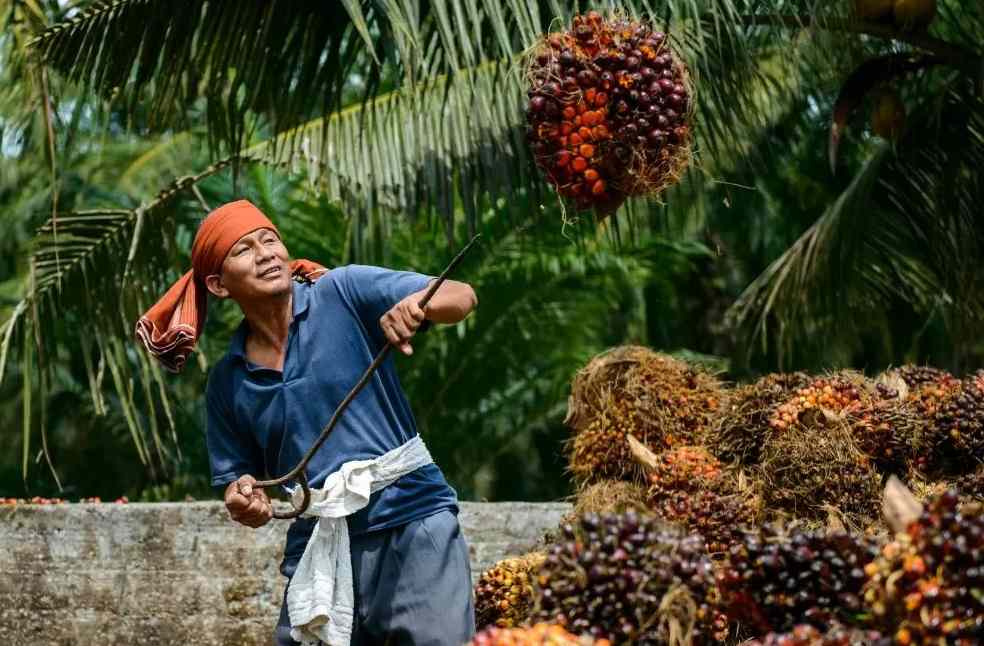
Hasan said Malaysia is now prioritizing exports of higher-value processed palm oil rather than crude palm oil, noting its wide use in downstream industries such as food manufacturing, including chocolate production. He added that the European Union is a key importer of processed palm oil, making it an important and profitable market for Malaysia.
TRADE TECH | China Warns U.S. Export Control Bill could Disrupt Supply Chains