


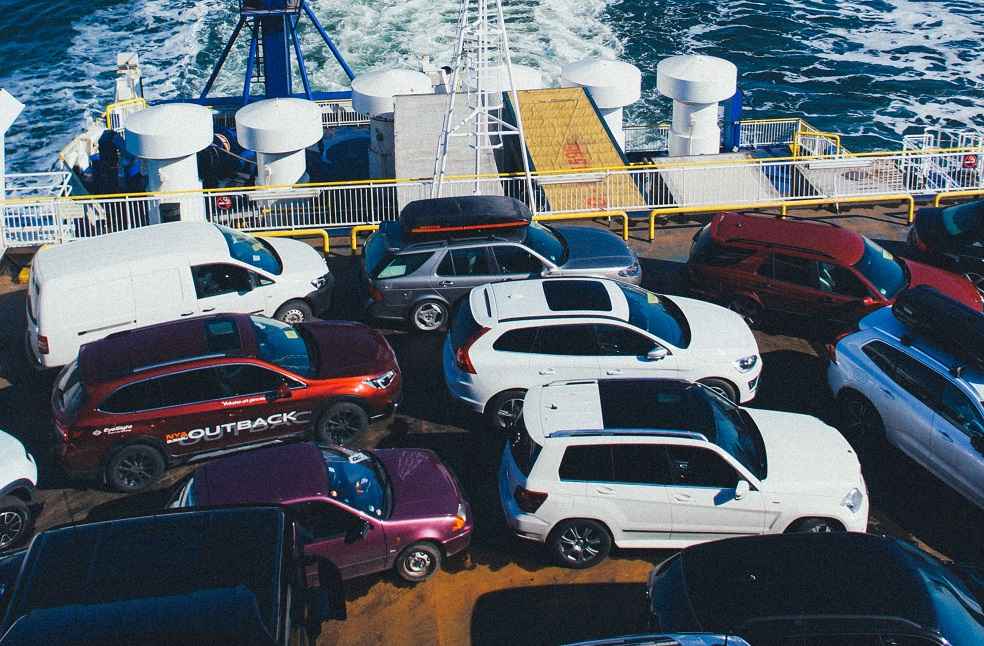
Pakistan will present its new auto sector policy to the International Monetary Fund by the end of April for review prior to federal cabinet approval, as part of broader commitments to reduce tariffs and increase competition in the automotive industry.
The Automobiles and Auto Parts Manufacturing Policy 2026–31 will be implemented under the IMF’s $7 billion Extended Fund Facility program. Under the agreed reforms, the weighted average tariff on vehicle imports is expected to be gradually reduced from 10.6% to 7.4% by 2030.
Additionally, in the upcoming FY2026–27 budget, scheduled for June 1, the tariff is further projected to be lowered to 9.5%.
The policy seeks to align automotive tariffs with the National Tariff Policy by reducing the net weighted average to around 6%, with officials noting it could reach 5.99% by the end of the decade. The government has pledged not to impose new regulatory duties on imports, while existing additional customs and regulatory duties will be phased out gradually.
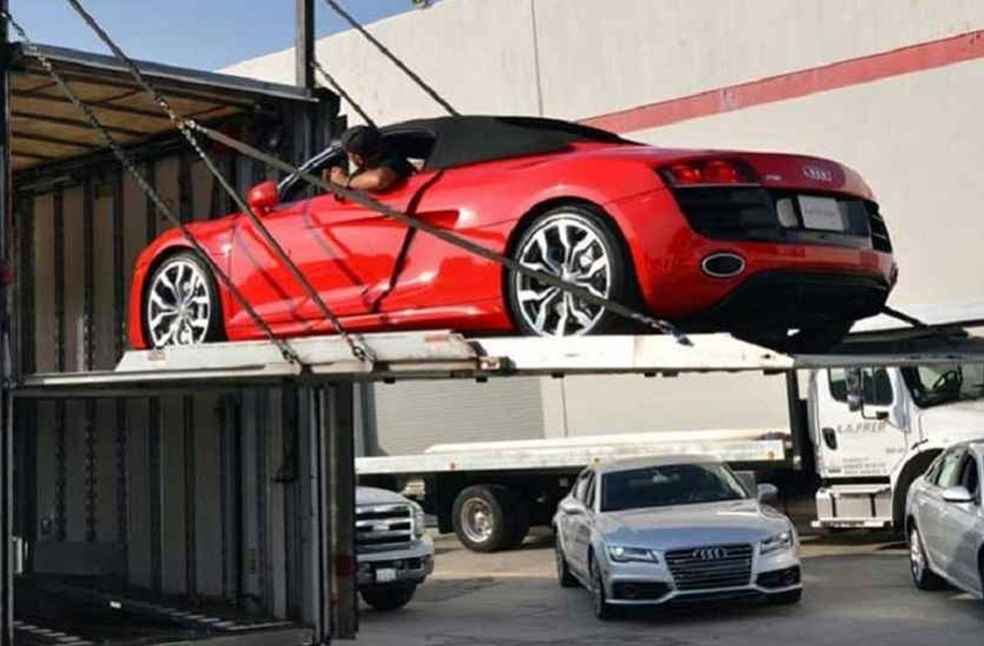
Scheduled to take effect on July 1, the framework introduces a revised tariff structure with slabs of 0%, 5%, 10%, and 15%, capping customs duties on fully built vehicles at 15% for the next five years. Duties on auto parts may be cut by up to half over the same period, while tariffs on completely built units may be reduced by 15% to 20% for vehicles with engine capacities above 1,000cc.
In addition, the 40% regulatory duty on used vehicle imports for FY2026 is expected to be phased out entirely over time. The government has also tightened regulations on gift and baggage schemes to prevent misuse.
The government has also legalized the commercial import of vehicles, though legislation to regulate such imports through authorized companies is still awaiting parliamentary approval. Officials indicated that the new framework will adopt a performance‑based model, linking incentives to domestic value addition, export expansion, and the integration of advanced automotive technologies.
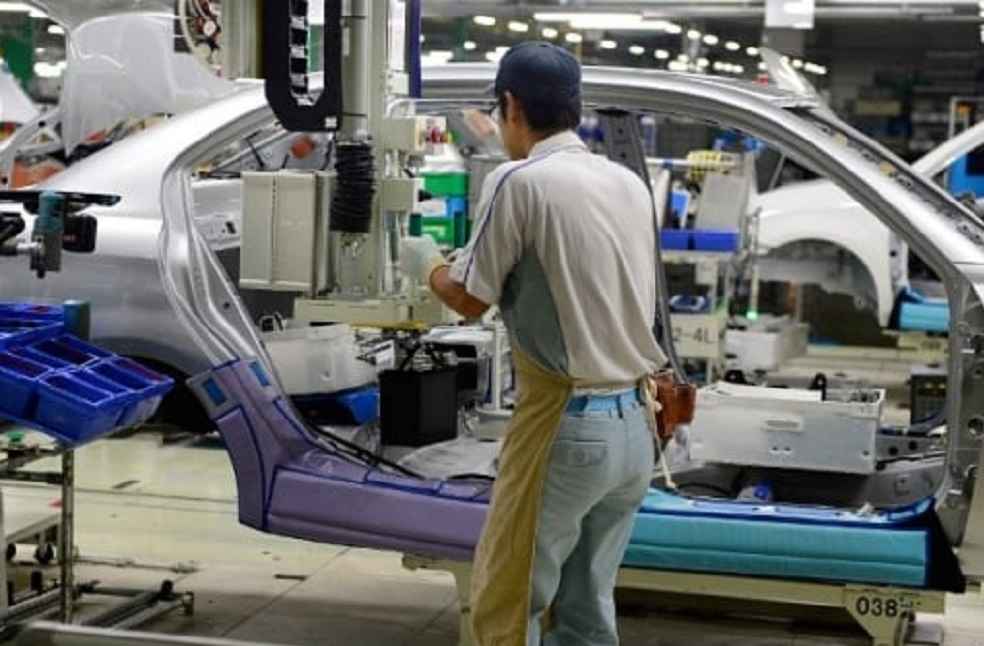
The policy targets an increase in exports from roughly $300 million to $3 billion, while aiming to raise annual vehicle production to over 500,000 units within five years. At present, the auto sector records annual sales of around 150,000 to 180,000 units against an installed capacity of about 500,000 units, with used vehicle imports accounting for nearly one‑quarter of the domestic market.
The policy will also align with the New Energy Vehicle Policy 2025–30, providing incentives for the production of electric vehicles and related components. These measures include reduced customs duties and tax concessions for non‑localized parts.
AEROSPACE AND DEFENCE | Japan Lifts Lethal Weapons Export Ban Under New Policy