


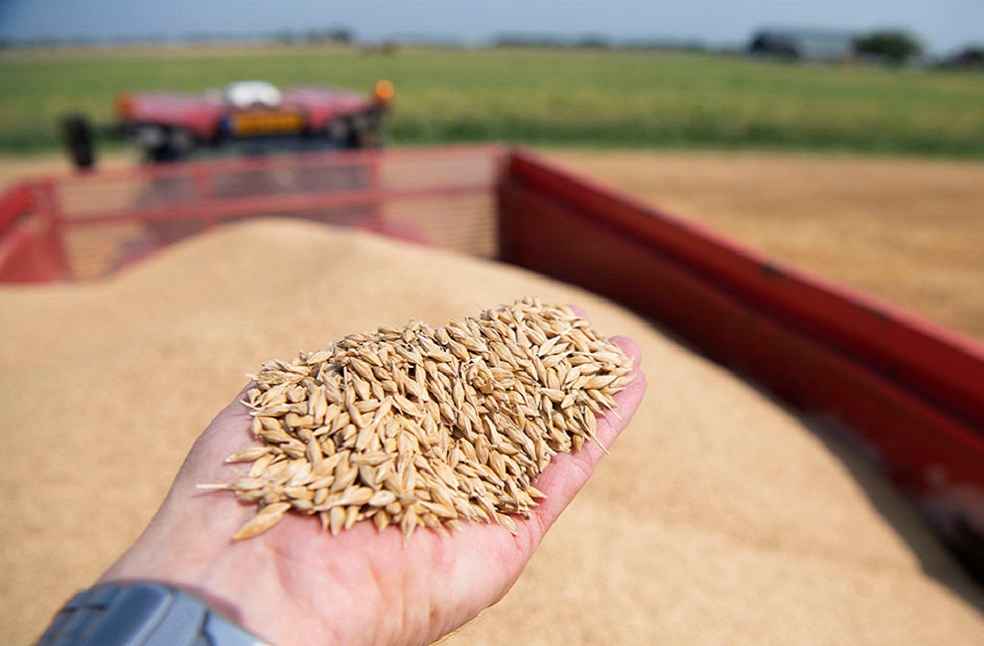
Ukraine cannot accept a proposed EU accession framework that would permanently restrict exports of certain agricultural products to the bloc, according to Ukrainian Agriculture Minister Taras Vysotskyi. The European Commission approved the framework on Tuesday as part of a broader pre-enlargement policy review aimed at preparing the European Union for future expansion.
“For us, there is a fundamental difference between a transitional period and a permanent restriction. Ukraine is prepared for the former. The latter would run counter to the very logic of full European Union membership,” Vysotskyi said in a statement.
The proposals include restrictions on Ukraine’s access to EU agricultural subsidies and the bloc’s market for certain farm products, including after the country becomes a member. Kyiv has indicated that it could accept temporary measures, such as a phased rollback of agricultural subsidies, temporary quotas, and safeguard mechanisms for sensitive products; it maintains that any such measures must be time-limited and subject to a clearly defined expiry date.
The proposed framework is intended to address concerns among existing EU member states, some of which fear that future members could weaken democratic standards or place excessive pressure on the bloc’s resources. Ukraine is a major producer and exporter of agricultural commodities, including corn, wheat, rapeseed, sunflower seeds, and vegetable oil.
The prospect of Ukraine’s accession to the EU has generated concern among several member states, including France and Poland. Poland has previously imposed restrictions on grain imports from Ukraine in an effort to safeguard its domestic agricultural sector.
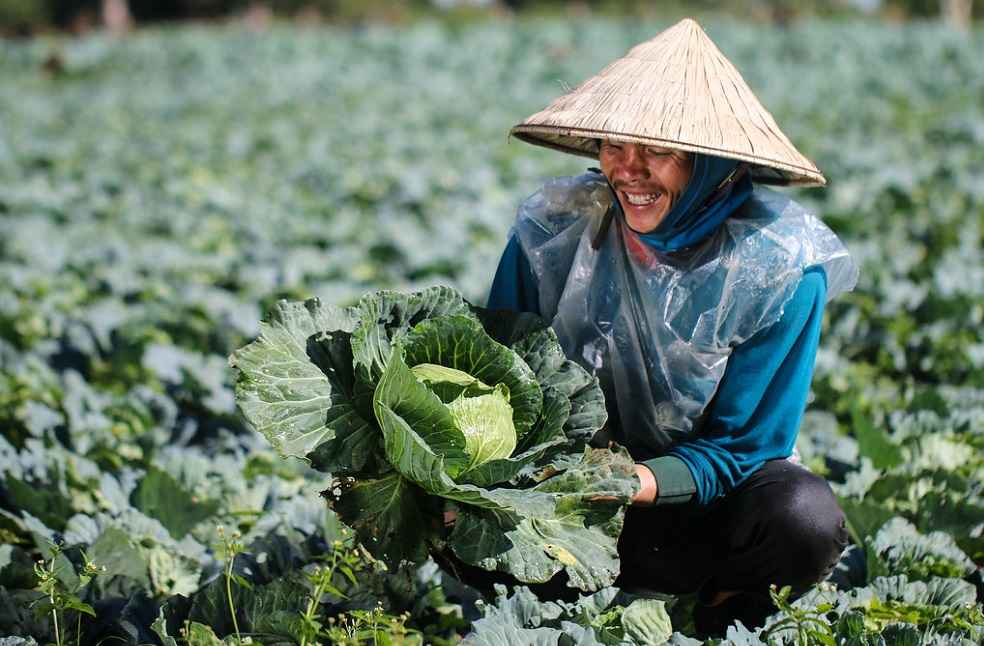
According to the European Commission’s proposal, financial support and market access for certain sensitive agricultural products would be subject to significant limitations. Rather than granting Ukraine unrestricted access to the EU market, the proposal envisages supporting the country’s return to its traditional export destinations, including markets in Africa and the Middle East.
However, Vysotskyi argues that Ukraine should not be viewed solely as a competitive challenge for European farmers. He said Ukraine could help reduce the EU’s reliance on imports from third countries for products such as fertilizers, soybeans and lysine used in animal feed. He also highlighted Ukraine’s potential to improve EU access to Black Sea export corridors and serve as a destination for investment in food-processing industries.
IMEX SECTOR | Japan may Ease U.S. Potato Import Restrictions Earlier