


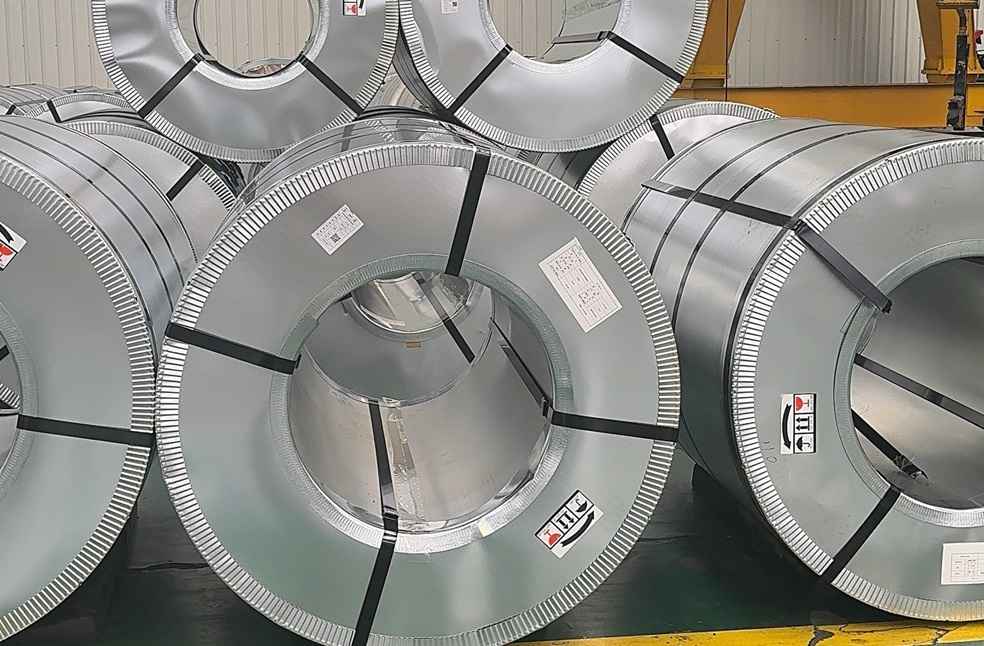
The UK government has decided to reduce tariff-free steel import quotas by half to address the surplus of low-cost Chinese steel imports and support the domestic industry.
The new safeguard measures are scheduled to take effect on July 1, aligning with similar restrictions being introduced by the European Union. The government stated that the UK and EU have agreed on a coordinated approach reflecting their closely integrated supply chains, following extended discussions on maintaining tariff-free trade between the two markets.
In addition, tariffs on steel imports exceeding the duty‑free quotas will be doubled, rising to 50% of the product’s value, in a bid to protect local producers and ensure fair competition.
The new quotas replace the existing post-Brexit system, which originally aligned UK import limits with EU rules. Following the UK’s departure from the bloc, these measures were temporarily retained but are now set to expire at the end of the month.
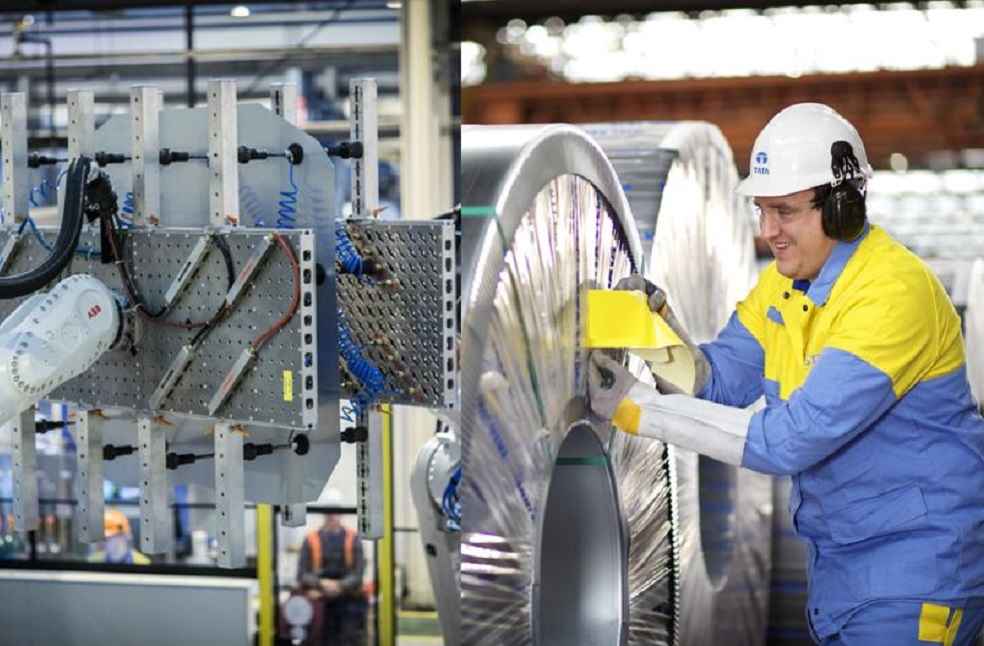
Under the revised framework, tariff-free steel imports will be reduced by 51%, less than the 60% cut previously proposed in March, allowing up to 3.2 million tons to enter the UK duty-free.
Steel imports from the EU are expected to account for the majority of the tariff-free quota, representing between 50% and 90%, depending on the product category.
Business Secretary Peter Kyle said the measures, including the finalized quota levels, are intended to safeguard UK steel production from global overcapacity while providing certainty for supply chains. He also confirmed that the policy will be reviewed after 12 months following continued engagement with industry stakeholders.
Additionally, the government will exempt manufacturers using 11 specific categories of steel from tariffs, following industry concerns that import duties could severely impact production due to a lack of domestic alternatives.
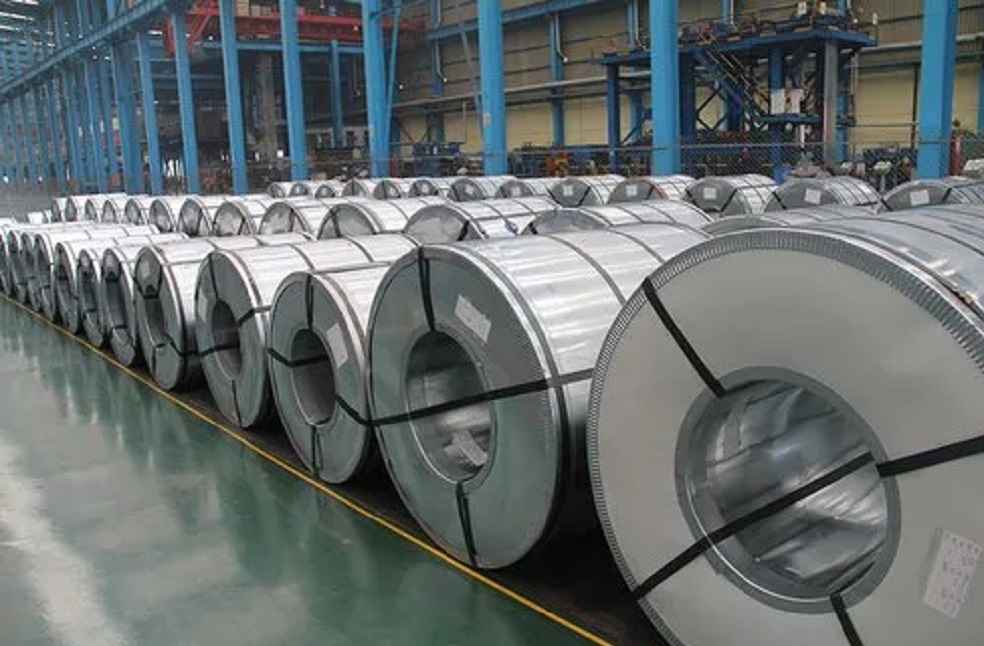
The European Union remains the largest export market for British steel, with negotiators having spent the past three months attempting to reach an agreement with EU representatives in talks held in Geneva at the World Trade Organization headquarters.
The safeguard measures cover 28 categories of steel, ranging from reinforcement bars used in construction to rolled sheets used in products such as stainless steel sinks and aircraft. The UK produces around 3 million tons of steel annually, compared with global output of nearly 2 billion tons. However, according to the Organisation for Economic Co-operation and Development (OECD), weakening demand in China has contributed to a global surplus of approximately 600 million tons.
UK Steel, the industry’s trade association, has previously warned that without such measures the sector could face an ‘existential threat.’ In contrast, steel users in the UK have raised concerns that the quotas could increase costs for products not manufactured domestically due to limited domestic production capacity.
ENERGY INDUSTRY | Russia Considers Diesel Export Ban as Domestic Shortage Deepens