


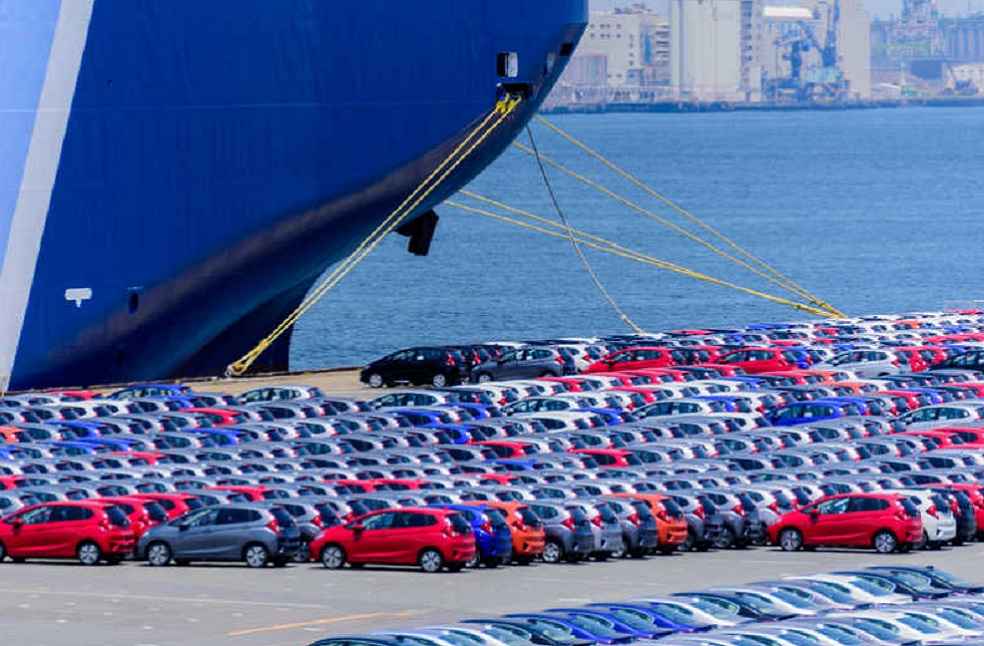
The UK is considering tariffs on Chinese electric vehicles amid concerns over growing competition and the potential impact on its automotive industry and access to the European Union market.
Business Secretary Jonathan Reynolds is preparing a package of possible tariffs on Chinese vehicle imports, The Times reported, citing senior government sources. The move is being considered amid concerns that Chinese automakers are benefiting from state subsidies.
According to reports, UK ministers are considering tariffs of up to 45%, broadly in line with the duties imposed by the European Union on Chinese electric vehicles.
The UK government has not confirmed the proposal.
Britain remains one of the few major Western markets without additional tariffs on Chinese vehicles. The United States has imposed steep duties that have largely restricted Chinese EV access, while the European Union applies tariffs of up to 45%.
The EU is urging the UK to align more closely with its trade policy. Officials have reportedly warned that failing to impose tariffs on Chinese vehicles could leave British exports exposed to proposed ‘Made in Europe’ requirements. The proposed rules would favour EU-produced goods in areas such as subsidies, tax incentives and public procurement. British automakers are concerned that this could weaken the competitiveness of UK-built vehicles in their largest export market.
The EU accounted for 58% of UK car exports in the first half of 2026, compared with around 4% for China, according to industry data cited by the Guardian. The Society of Motor Manufacturers and Traders has warned that the proposed EU measures could pose a significant risk to British vehicle production.
Imposing tariffs on Chinese cars could trigger a response from Beijing and would likely involve a lengthy World Trade Organization process. The EU took 13 months from launching its investigation into state subsidies to imposing tariffs in October 2024.

The UK has also pushed to be included in the proposed legislation, which would require manufacturers to source components from Europe. The measures are intended to limit China’s growing role in critical supply chains, particularly in the automotive and chemical industries.
Introducing tariffs would represent a departure from the previous government’s approach. Keir Starmer’s administration sought closer economic ties with China, viewing the country as a potential source of growth rather than a direct threat to British manufacturing. The UK has maintained that it does not require the same trade barriers as the EU, partly because its trade deficit with China is smaller. The EU’s deficit with China is currently reported at more than £1 billion (€1.18 billion) a day.
The government has not yet decided whether to introduce tariffs or indicated what rates they might carry.
POLICY & LAW | China Launches Anti-Dumping Probe Into Chemical Imports from Europe