


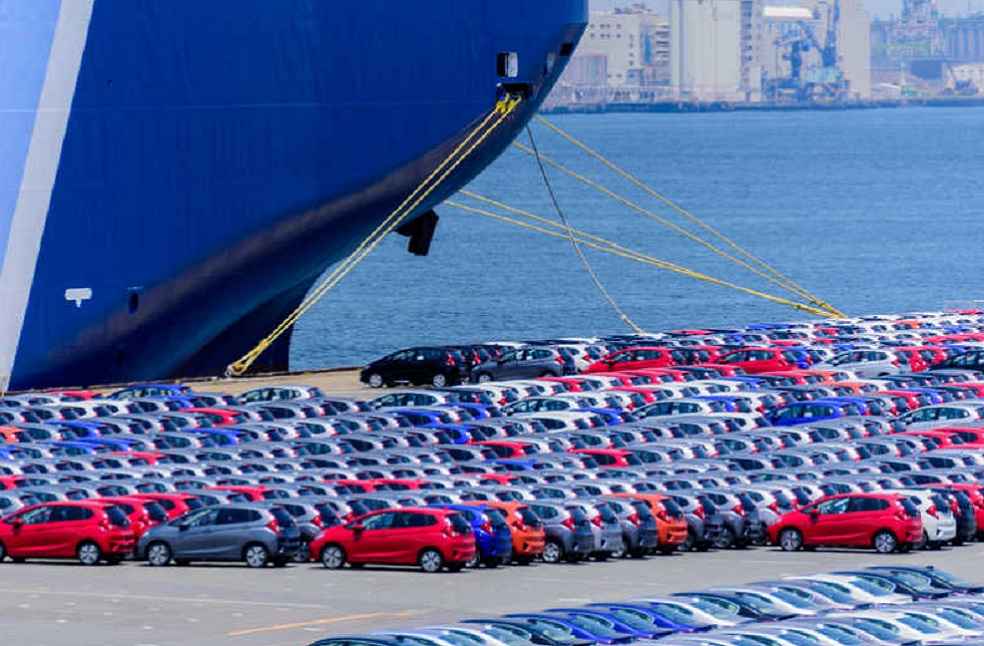
Thailand may impose an excise tax of approximately 30% on fully imported electric vehicles, Finance Minister Ekniti Nitithanprapas said. The proposed levy is intended to encourage automakers to establish production facilities locally.
The government is working with the automotive industry to finalize the tax rate and expects to reach a decision as early as this month, Ekniti told Bloomberg on Tuesday. He said the levy is expected to be set at approximately 30%.
The levy represents a shift in Thailand’s electric‑vehicle policy, following a period of low import barriers that allowed a surge of inexpensive Chinese models into the market. The influx intensified price competition and placed pressure on Thailand’s extensive auto‑manufacturing sector. Authorities now intend to use taxation to encourage automakers to expand local investment and strengthen domestic supply chains.
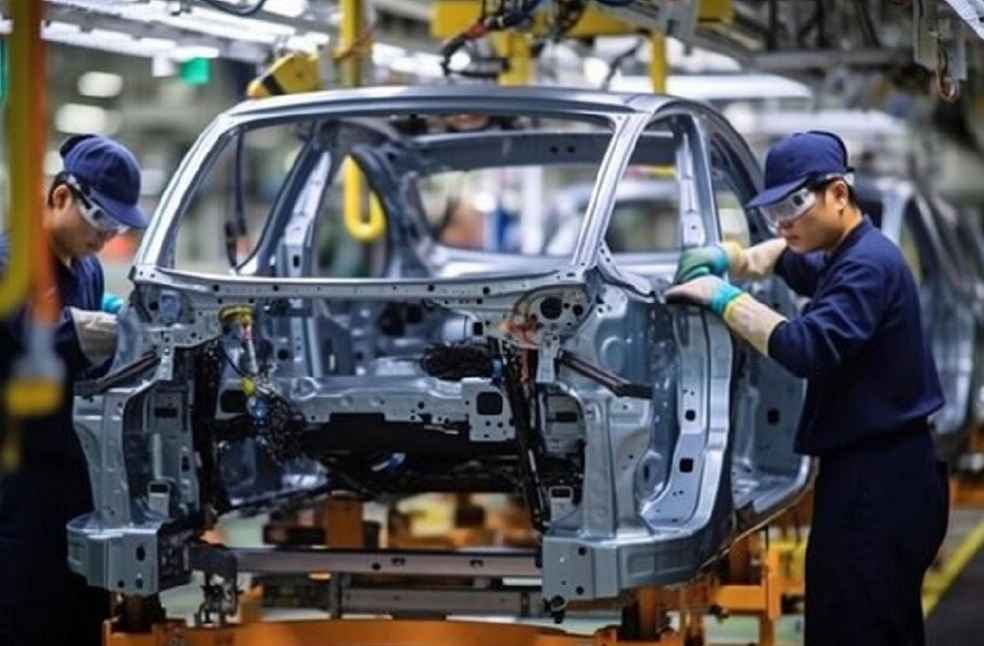
The decision provides further clarification on a plan approved by Thailand’s EV policy board last week to establish a three-tier excise tax structure. Fully imported electric vehicles would be subject to the highest tax rate, while vehicles manufactured in Thailand would qualify for the lowest rate. Locally assembled vehicles using a combination of domestic and imported components would be subject to an intermediate rate.
According to Ekniti, several automakers that currently import vehicles from China and Europe have already approached the government regarding potential investments in Thailand to qualify for lower excise tax rates.

Thailand has established itself as Southeast Asia’s largest automotive production hub, developed over decades of Japanese investment and supported by a broad network of component suppliers. In recent years, Chinese automakers have invested billions of dollars in electric‑vehicle factories as the country works to safeguard its manufacturing base during the transition away from combustion engines.
According to Ekniti, nine EV manufacturers have already established operations in Thailand, with some exporting locally produced vehicles. The government has identified electric vehicles and other emerging mobility technologies as one of seven priority industries expected to contribute to the country’s next phase of economic growth.
ENERGY INDUSTRY | India Becomes Russia’s Largest Fuel Supplier Amid Ukrainian Strikes