


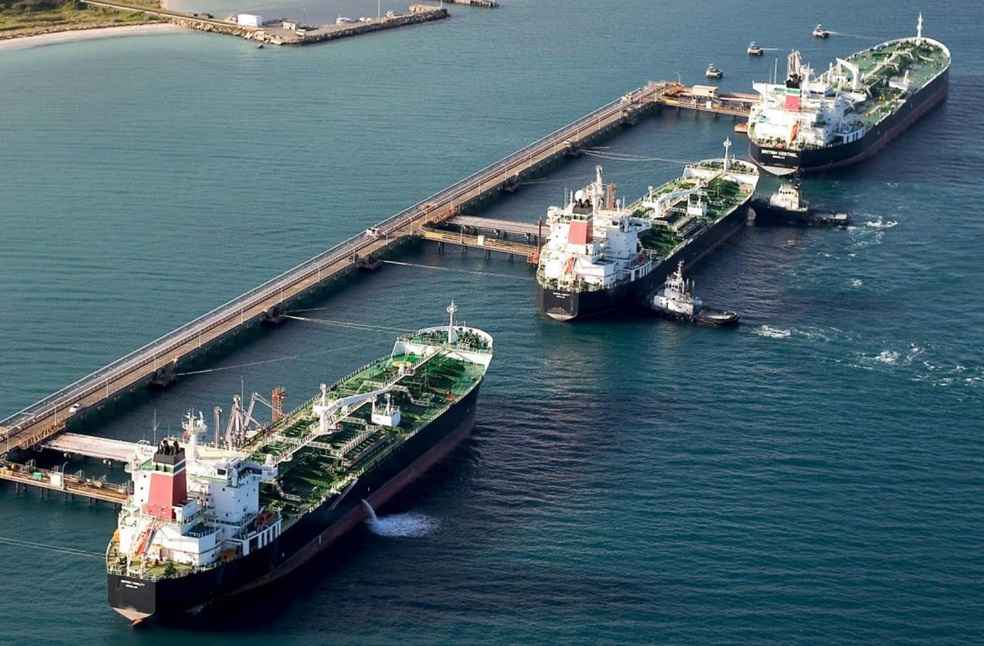
India became Russia’s largest fuel supplier in August after Ukrainian drone strikes disrupted refinery output and curtailed domestic production. Russia imported 172,000 tons of oil products during the month, more than seven times its previous monthly record.
Data from the Center for Research on Energy and Clean Air (CREA) showed India accounted for 70% of those imports, including 120,000 tons of gasoline valued at €78 million.
All gasoline shipments from India were loaded at the Vadinar refinery and sold by EU‑sanctioned Nayara Energy to Rosneft, according to CREA. Rosneft holds a 49.13% stake in Nayara. Vadinar sourced all of its crude from Russia during the first eight months of 2026, compared with 81% across 2025.
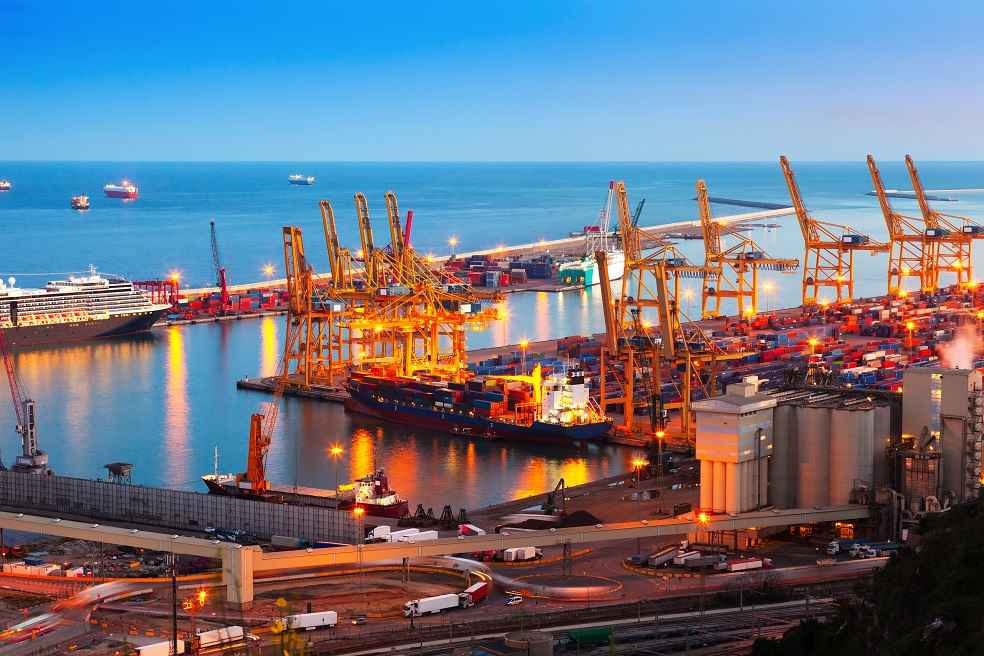
The deliveries coincided with a sustained Ukrainian drone campaign against Russian refineries and energy infrastructure, which reduced domestic fuel output and contributed to shortages, CREA reported. Each cargo of gasoline exported from Vadinar to Russia was transferred via ship‑to‑ship operations off Egypt before being discharged at Russia’s Arctic port of Beloe More.
All vessels involved in the shipments were sanctioned tankers, with four of the six previously operating under false flags, CREA reported. Gasoline accounted for the bulk of imports.
In August, gasoline made up 74% of Russia’s total oil‑product imports, a sharp increase from the 6% average recorded between 2023 and 2025. South Korea supplied 18,000 tons of oil products, mostly gasoil, while Egypt exported 25,000 tons of diesel valued at €16 million, according to CREA.
The surge in imports coincided with a decline in Russia’s own oil‑product exports. Seaborne shipments fell 21% by volume in August, while revenues from products discharged at destination ports dropped 32% from July to €78 million per day, the lowest level since Russia’s full‑scale invasion of Ukraine.
Oil‑product loadings at Russian ports declined for the third consecutive month in August, falling to less than half the level recorded a year earlier, according to CREA.
Tuapse, once Russia’s fourth‑largest oil‑product export hub before the full‑scale invasion, has not handled a single cargo for three straight months following sustained Ukrainian drone strikes since May. Ukrainian attacks also disrupted crude shipments through Russia’s Black Sea port of Novorossiysk, where loadings dropped 58% month‑on‑month in August. Operations were halted for nine consecutive days, marking the longest reported interruption at the port since the invasion began, CREA said.
India remained Russia’s second‑largest fossil‑fuel customer in August, trailing China. The country imported €4.8 billion worth of Russian hydrocarbons, with crude oil accounting for €4.1 billion, or 87% of the total, CREA reported. Indian crude purchases nonetheless fell 24% from July after record highs in the previous two months. Imports at the Jamnagar refinery dropped 15%, while volumes at Vadinar rose 5% and Paradip edged up 1%.
China was Russia’s top fossil‑fuel buyer in August, taking €8.4 billion, equal to 51% of revenues from Russia’s five largest customers. Seaborne crude shipments to China rose 16% month‑on‑month and stood 62% above August 2025 levels, CREA said.
Overall, Russia’s fossil‑fuel export revenues declined 8% in August to €604 million per day, with volumes down 7%. Despite lower shipments, Moscow benefited from stronger global energy prices: the average price of Urals crude climbed 23% to $69.90 per barrel, well above the G7 and EU price cap of $44.10.
POLICY & LAW | U.S. Finalizes Steep Duties on Solar Cells and Panel Imports

