


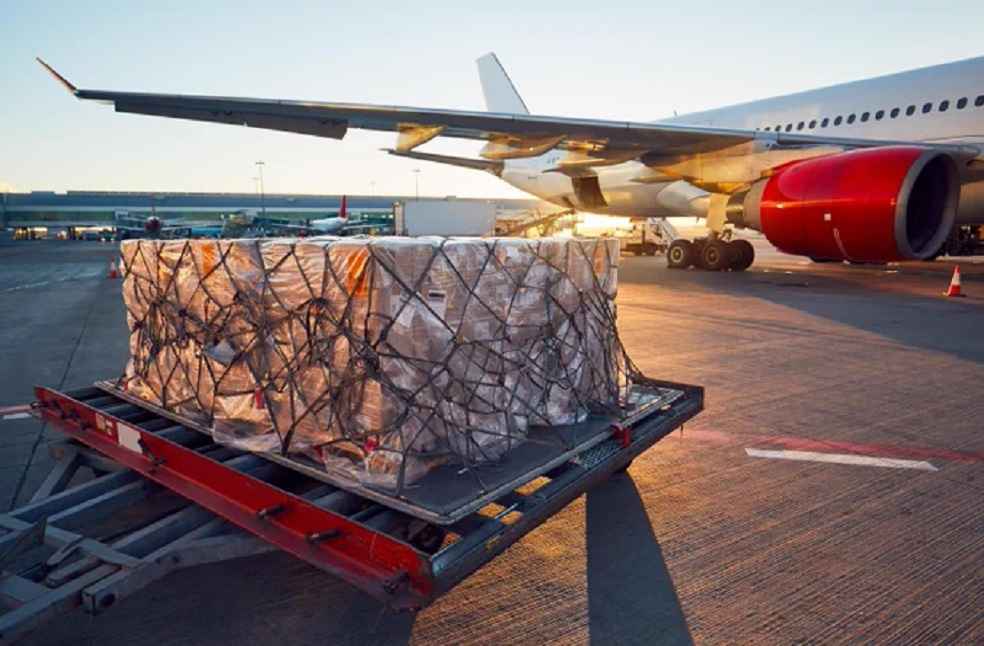
Nigeria has broadened its air cargo export network across East and Southern Africa as part of the federal government’s efforts to lower freight costs for exporters. Nigeria’s Minister for Industry, Trade, and Investment, Jumoke Oduwole, declared the development on Tuesday.
Oduwole stated that the initiative is intended to remove a longstanding structural barrier that has hindered intra‑African trade, noting that “this corridor is a response to a real problem.”
The minister emphasized that Nigerian exporters have the capacity to access wider African markets but are constrained by the high cost of logistics. She noted that while Nigerian businesses were prepared to export across the continent, transportation expenses made trade commercially unviable.
Oduwole further explained that freight charges had previously ranged between $3 and $10 per kilogram, a level she described as unsustainable for competitive intra-African trade. “By the time those products reached their destination, they could no longer compete on price,” she added.
The minister also observed that the cost burden influenced trade practices, pushing some businesses toward informal and higher-risk channels to reduce expenses associated with cross-border transportation.
Under the expanded air cargo corridor, Nigeria has introduced revised export rates from Lagos to several African destinations. Shipments to Kigali now attract a minimum charge of $100, with rates of $1.4 per kg for consignments below 1,000 kg and $1.2 per kg above that threshold. For Johannesburg, the minimum charge is $120, with rates of $1.9 per kg below 1,000 kg and $1.7 per kg above. Exports to Harare carry a $110 minimum, with charges of $1.8 per kg and $1.5 per kg respectively, while shipments to Lusaka are priced at a $110 minimum, with $1.8 per kg below 1,000 kg and $1.6 per kg above.
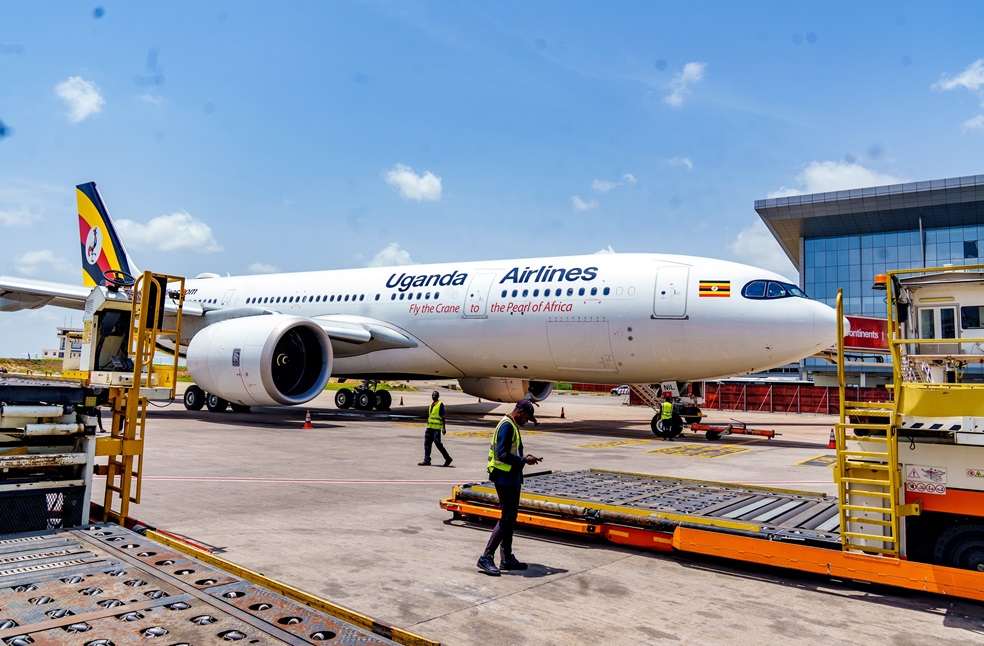
The corridor was first launched in 2025 in partnership with Uganda Airlines, connecting Lagos to Entebbe, Nairobi, and Johannesburg under the AfCFTA framework. She said the initiative has reduced cargo costs by up to 75%.
Oduwole added that the network has now been expanded through a partnership with RwandAir, adding Kigali, Lusaka, Harare, and Johannesburg, with some routes offering freight rates below $2 per kg. The initiative provides Nigerian exporters with more affordable access to African markets and forms part of wider efforts to strengthen regional trade integration and boost non‑oil exports under the AfCFTA framework.
GLOBAL EVENTS | THAIFEX – ANUGA ASIA 2026 Highlights Emerging F&B Innovations