


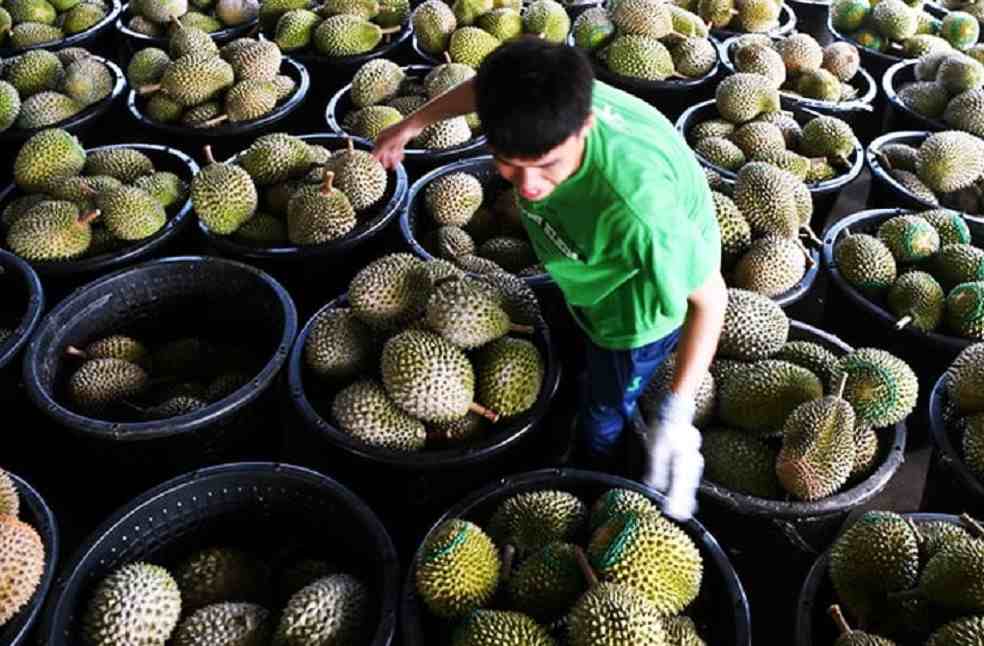
Malaysia is targeting durian exports to China valued at $229 million (RM932.3 million) by 2030, supported by rising consumer demand and sustained growth in shipments of fresh and frozen durians.
The government is currently in discussions with the Thai authorities and China’s General Administration of Customs (GACC) to establish a land route for exporting local durians to China, a measure expected to reduce logistics costs and broaden market access.
Malaysia’s Minister for Agriculture and Food Security, Mohamad Sabu, stated that the discussions are intended to support local durian producers in addressing the current seasonal oversupply while enhancing the country’s export competitiveness.
Malaysia External Trade Development Corporation Minister Counsellor and Trade Commissioner at the Embassy of Malaysia in Beijing, Niqman Rafaee M Sahar, stated that Malaysia’s fresh durian exports have recorded significant growth since the country obtained market access to China in August 2024.
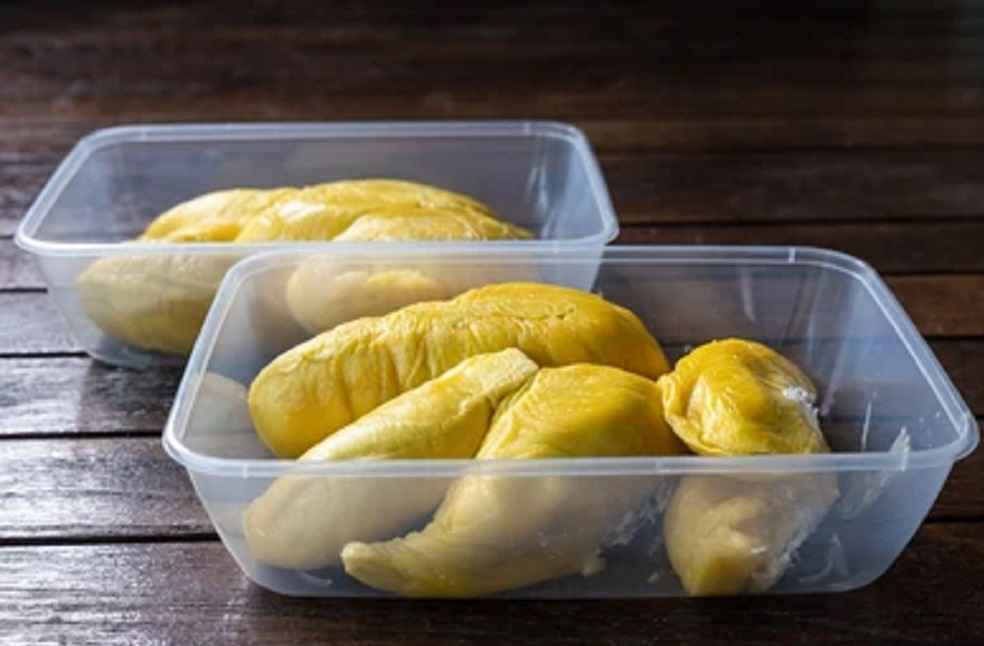
“Fresh durian exports grew by more than 500%, from about $5 million (RM20.4 million) to $37 million (RM150.6 million) in 2025 alone. Frozen durian exports reached nearly $202 million (RM822.3 million) in 2025, and the positive momentum continued in the first quarter of 2026,” he noted.
Sabu stated that transporting durians by land would offer a more cost-effective alternative to air freight. He added that the proposed overland route would facilitate the distribution of Malaysian durians to smaller cities across China, many of which have populations of approximately two million people.
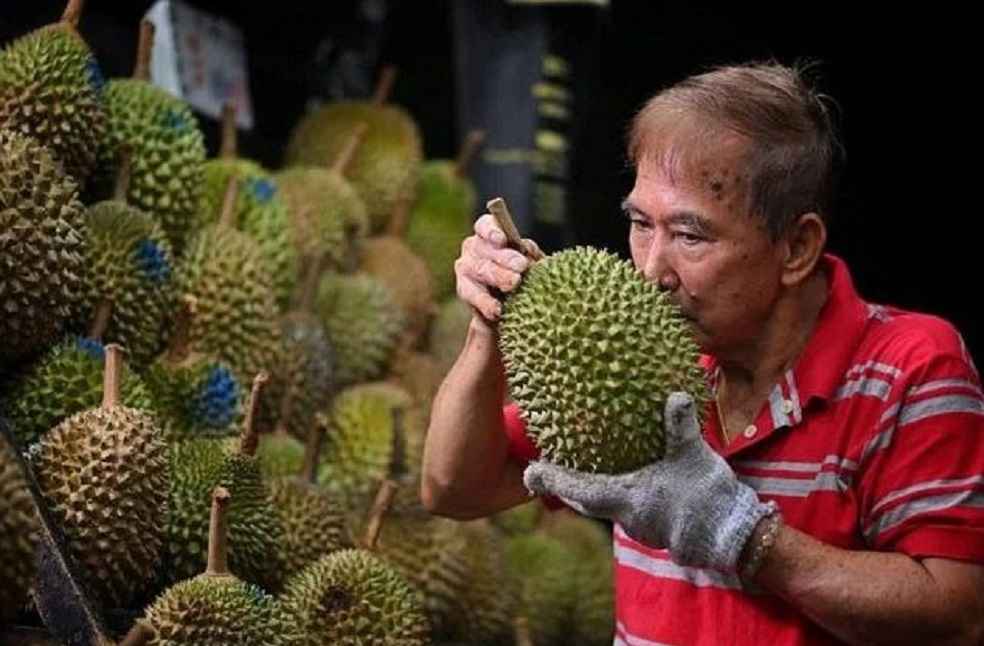
He further noted that the simultaneous durian season in Kedah, Penang, Perak, Selangor, Johor, and Pahang has led to increased supply and a decline in farm‑gate prices, though consumers are benefiting from more affordable access to premium varieties such as Musang King and Black Thorn.
Rafaee stated that China imports nearly $7 billion (RM28.5 billion) worth of durians annually, primarily from ASEAN countries, with Malaysia supplying premium varieties. He added that Malaysia currently holds about 4% to 5% of China’s durian market and aims to raise its share to between 8% and 10% within the next five years, subject to supply availability.
In addition to fresh and frozen durians, demand for Malaysian durian‑based products is also increasing in China.
TRADE WORLD | Canada and Philippines to Finalize Free Trade Agreement by 2026

