


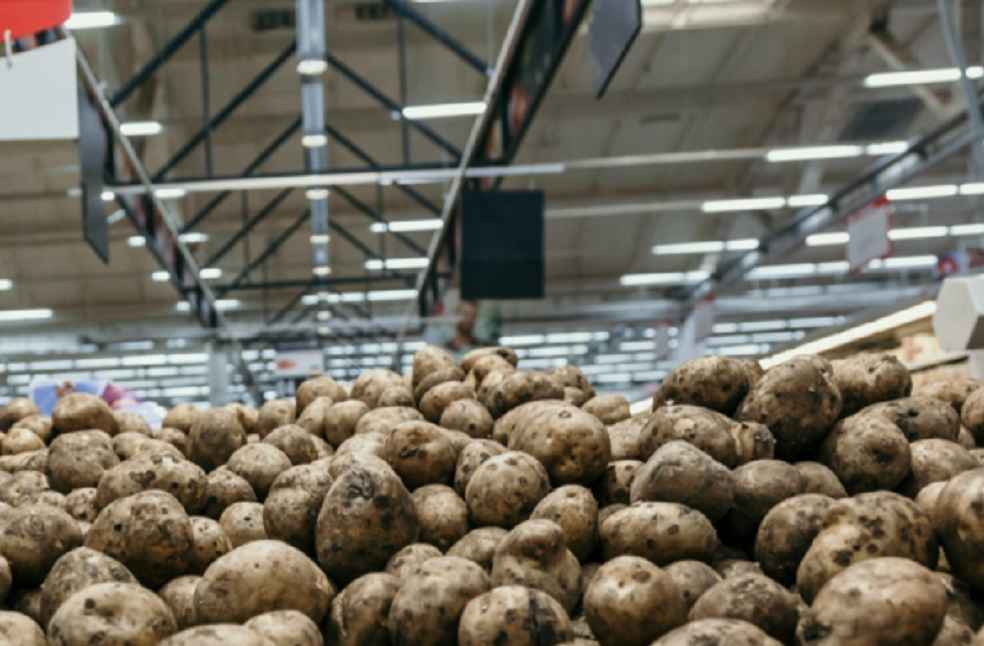
Japan could decide within a year whether to lift its ban on fresh U.S. potato imports for uses other than potato chip production, earlier than the two to three years initially anticipated, according to government sources.
The review comes amid increased pressure from the United States, as President Donald Trump seeks greater support for American farmers. Japanese officials said the timeline will depend on how quickly the U.S. meets the requirements set by Japan.
Japan’s agriculture ministry entered the final stage of its three-step process to assess lifting the restrictions in September. The review focuses on phytosanitary safeguards to prevent the introduction of pests and pathogens associated with imported potatoes.
Japan began reviewing the potential removal of its ban on fresh U.S. potato imports in 2020 following a formal request from the United States. The assessment process includes discussions on quarantine measures designed to mitigate the risk of introducing pests and pathogens.
On 18 September, Japan’s Ministry of Agriculture, Forestry and Fisheries declared the start of the final review stage, identifying the need for bilateral consultations on quarantine protocols covering 21 pests and pathogens.
While increased imports of lower-cost U.S. potatoes could broaden consumer choice, domestic producers, particularly in Hokkaido, Nagasaki and Kagoshima prefectures, have raised concerns over biosecurity risks and heightened price competition.
Japan regulates plant imports under the Plant Protection Act, with quarantine requirements established in consultation with exporting countries to prevent the introduction of pests and diseases that could harm domestic agriculture.
Under international rules, Japan is required to consider requests to remove import restrictions and allow imports when scientific evidence demonstrates that the associated pest and disease risks can be effectively managed.
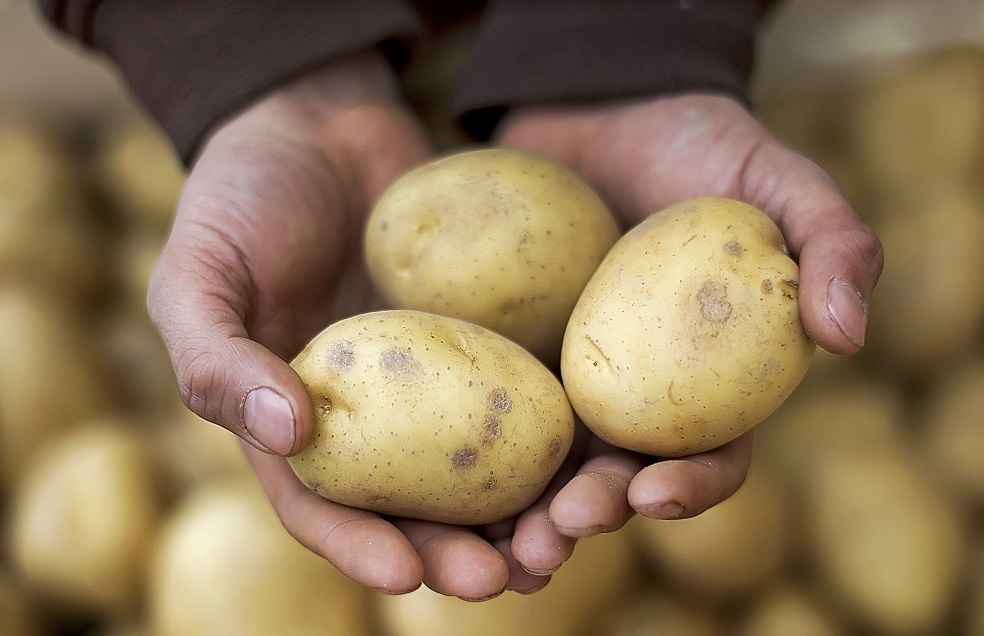
Japan currently imports frozen and processed potatoes from several countries. However, fresh potatoes are permitted only from the United States.
The United States continues to seek broader access to Japan’s agricultural market, including expanded imports of U.S. agricultural products. According to agriculture ministry officials, the review timetable could be shortened if the United States promptly implements the phytosanitary measures requested by Japan.
Before making a final decision, the ministry plans to conduct several briefings for domestic producers, consult experts and seek public comments on the proposed changes.
AUTOMOTIVE WORLD | UK Weighs Tariffs on Chinese Electric Vehicles Amid EU Pressure