



Indonesia and the Philippines have signed a memorandum of understanding on cooperation in the nickel sector. The agreement on Strategic Nickel Industry Development establishes a structured framework linking Indonesia’s downstream processing capabilities and smelting facilities with the Philippines’ upstream nickel ore resources.
As part of the agreement, both countries have also declared plans to establish an ‘Indo-Phil Nickel Corridor,’ a strategic initiative designed to strengthen their role in the global nickel supply chain.
The partnership further seeks to broaden cooperation across key sectors, including energy, food security, halal trade, and industrial development.
“This collaboration moves beyond an ordinary partnership. It lays the foundation for the Indonesia-Philippines Nickel Corridor,” Indonesia Coordinating Minister for Economic Affairs Airlangga Hartarto said.
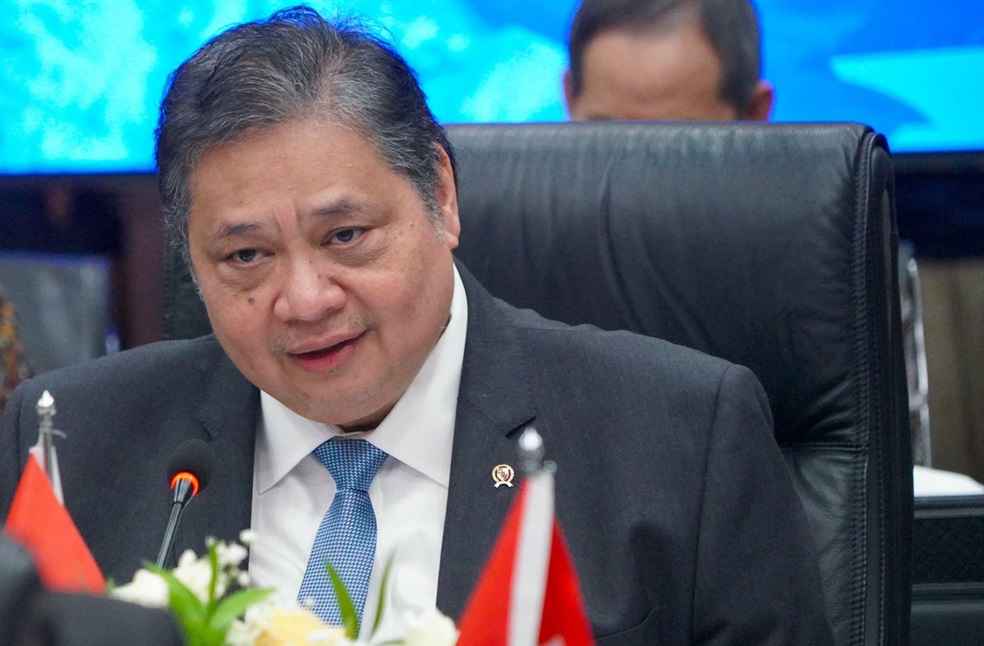
The initiative was unveiled during the Indonesia–Philippines High-Level Business Roundtable, convened by the Philippine Chamber of Commerce and Industry (PCCI) and Kadin Indonesia on Thursday. Philippine Trade and Industry Secretary Hon. Maria Cristina A. Roque and Hartarto witnessed the signing of the agreement between the Indonesian Nickel Miners Association (APNI) and the Philippine Nickel Industry Association (PNIA).
According to USGS 2026 data, Indonesia and the Philippines together accounted for 73.6% of global nickel output in 2025, with Indonesia producing 2.6 million tons (66.7%) and the Philippines 270,000 tons (6.9%). In terms of reserves, Indonesia holds 44.5% of global nickel reserves (62 million tons), compared with 3.4% (4.8 million tons) in the Philippines.
In 2025, Indonesia’s exports to the Philippines totaled $10.22 billion, making up 8.4% of Philippine imports and positioning Indonesia as its third-largest trading partner after China and Japan.
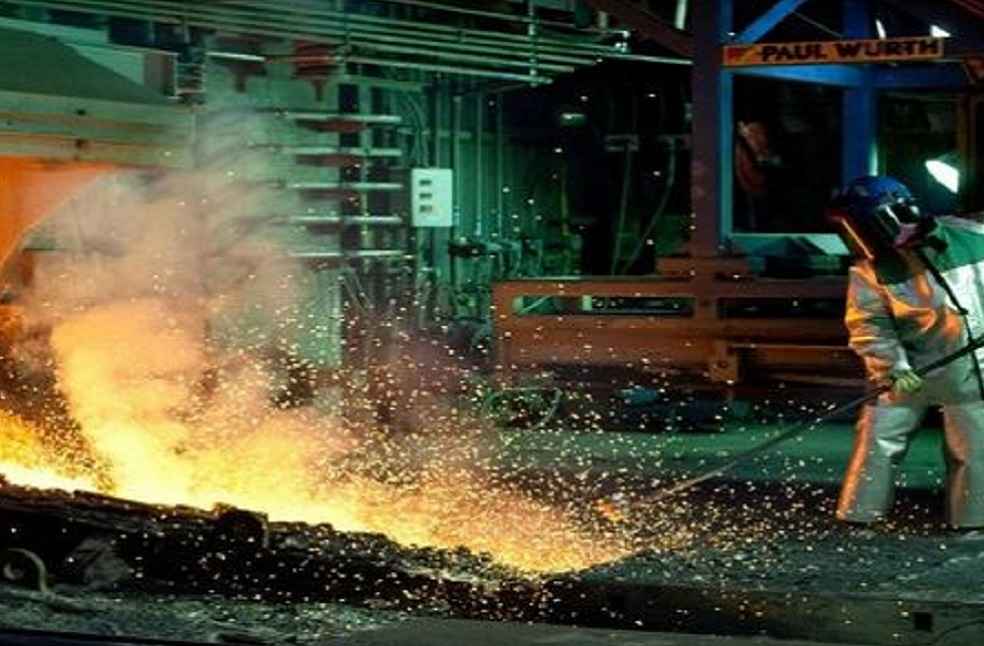
Airlangga emphasized that the Philippines is a key trading partner for Indonesia in Southeast Asia, particularly in the energy and automotive sectors. He noted that the MoU between APNI and PNIA outlines long-term cooperation, including information exchange to stabilize nickel trade, joint development of downstream technology, use of processing by-products, and human resource training to build a sustainable industry. He added that Indonesia’s nickel downstream ecosystem generated $9.73 billion in exports in 2025, and the collaboration aligns with the 27th AECC Summit directive to strengthen ASEAN supply chains.
In addition to the nickel agreement, the two countries signed four other memoranda of understanding focusing on food security, cooperation in renewable energy, development of the halal industry, and wider industrial investments. Indonesia also pledged to boost its fertilizer exports to the Philippines.
MOST READ | U.S. Court Strikes Down Trump’s 10% Tariffs as Unlawful