



India has removed import duties on several components used in the production of smartphones and other electronic devices, a measure expected to lower input costs for manufacturers and other electronic companies operating in the country.
According to Reuters, the exemption will remain in effect until March 31, 2029, and removes the existing basic customs duties of 7.5% and 5% on specified components and machinery. The exemption applies to components used in wireless charging modules, display assemblies for certain electronic applications, lithium‑ion battery cells, and machinery required for battery manufacturing.
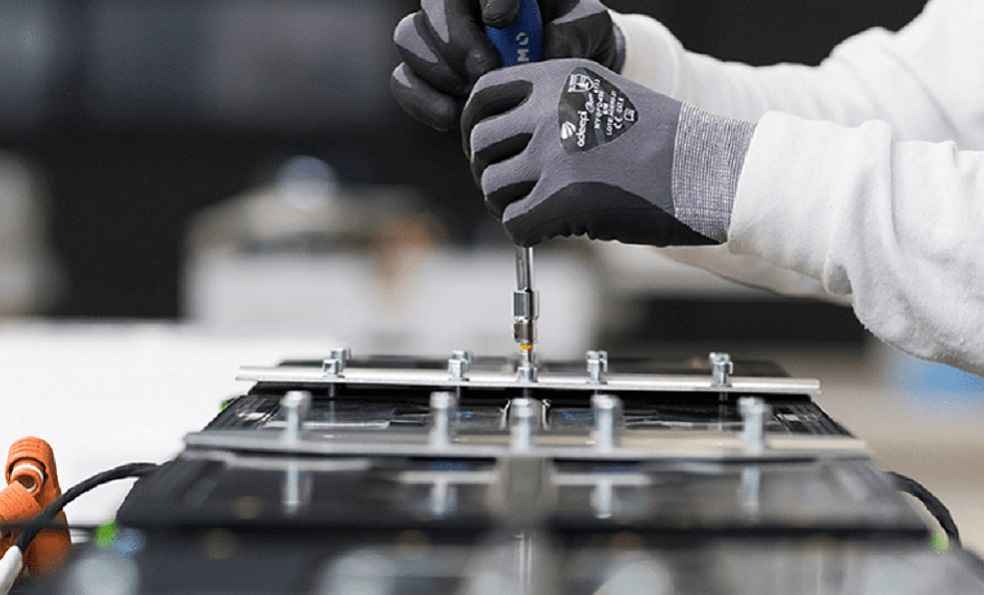
The government has further broadened customs duty concessions for machinery involved in lithium-ion battery manufacturing by introducing a technology-neutral exemption covering equipment used across various stages of the production process. Meanwhile, the exemptions covering inputs for display assemblies and inductor coil modules will remain in effect until March 31, 2029.
India has continued to strengthen its electronics manufacturing ecosystem through initiatives such as the Production Linked Incentive (PLI) scheme, aimed at boosting domestic production and localization.
The measures are expected to enhance cost competitiveness, increase domestic value addition, and promote localization in high‑value smartphone and electronics manufacturing.

The exemption for lithium‑ion cell manufacturing could further encourage greater investment in domestic battery production, supporting both electronics and electric mobility sectors.
India is targeting an expansion of its electronics manufacturing sector to $500 billion by fiscal year 2030. Government data indicates that smartphone production in the country has grown 28-fold over the past decade, reaching ₹5.45 trillion (approximately $57 billion) during the 2024–25 financial year.
ENERGY INDUSTRY | Russia Bans Diesel Exports to Stabilize Domestic Fuel Supply