


China on Friday imposed export restrictions on 14 European entities in response to the EU’s latest sanctions package, which had blacklisted several Chinese firms over alleged ties to Russia’s war in Ukraine.
According to the Commerce Ministry, the designated European organizations will no longer be permitted to obtain dual‑use goods from China—items with both civilian and military applications that are subject to stringent export controls. The ministry also prohibited foreign companies from supplying the listed European entities with dual-use products manufactured in China, expanding the scope of the export restrictions.

Among the entities listed by Beijing are Czech truck manufacturer Tatra Trucks, Italian electric motor producer Lafert SpA, Germany-based Sindlhauser Materials GmbH, and French drone manufacturer Cavok UAS.
A spokesperson for China’s Ministry of Commerce said the measures were introduced in direct response to the European Union’s decision on Thursday to add 14 companies from mainland China and Hong Kong to its latest sanctions package targeting Russia. Beijing stated that the export restrictions are intended to safeguard China’s national security and strategic interests while meeting its international non-proliferation commitments.
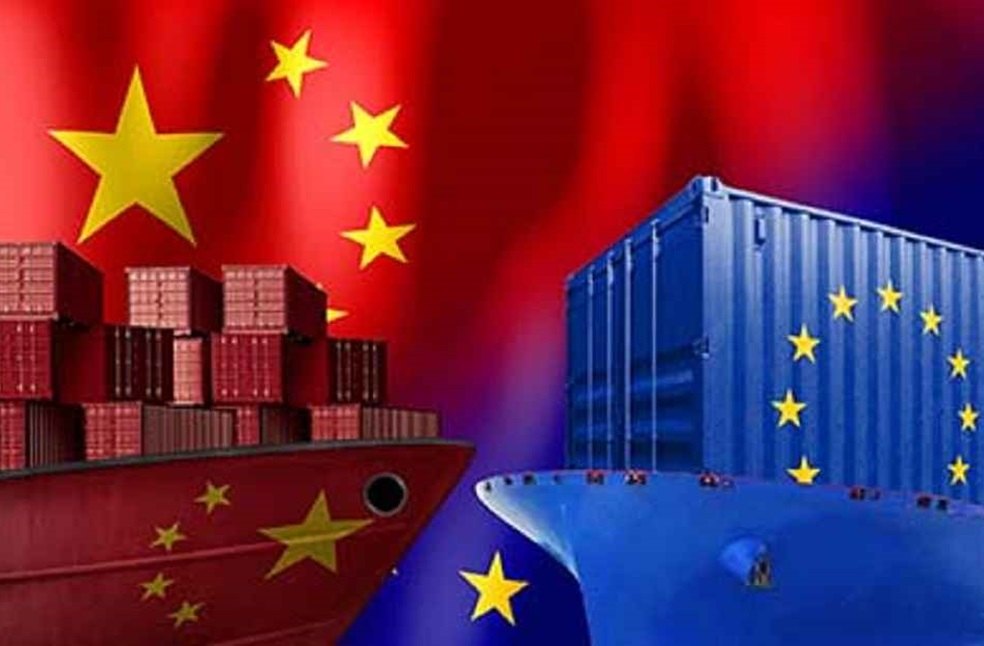
The European Union’s 21st sanctions package against Russia broadens restrictions on banks, cryptocurrency companies, and defense-related manufacturers in an effort to further limit Moscow’s capacity to sustain its war in Ukraine. In addition to Russian entities, the EU also sanctioned companies in China, India, Turkey, and several other countries that it alleges have supplied Russia with dual-use goods or other sensitive technologies.
China has consistently opposed such measures, maintaining that unilateral sanctions disrupt legitimate international trade and unfairly penalize Chinese firms. The latest exchange of retaliatory actions is expected to further heighten trade and diplomatic tensions between Beijing and Brussels.
TRAVEL & TOURISM | Edinburgh Introduces UK’s First Tourist Tax with 5% Visitor Levy

