


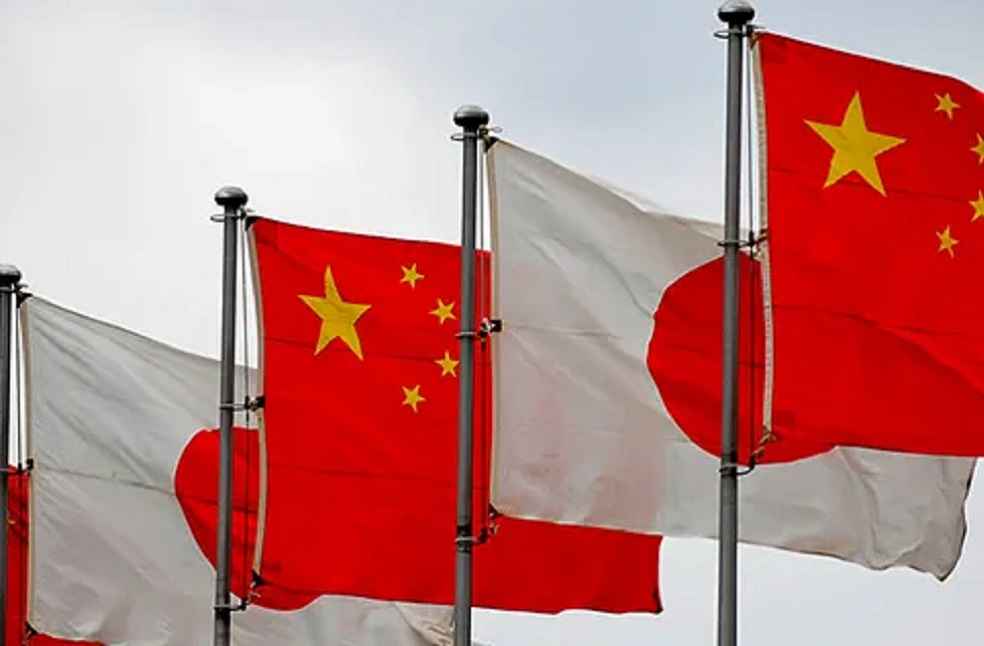
China has suspended Japan‑bound exports of several critical minerals, including rare earths and rare metals, particularly materials associated with the defense sector, according to Chinese trade data.
In recent years, China has tightened export controls on at least 16 categories of minerals as part of its broader trade dispute with the United States. On January 6, Beijing further restricted shipments of dual‑use items to Japan, following Japanese Prime Minister Sanae Takaichi’s remarks in November regarding a potential Taiwan contingency.
The 16 controlled mineral categories include seven rare earth elements used in the production of advanced technologies, including electric vehicles and defense equipment. China currently holds a dominant position in the global supply of these rare earths.
Since January, China has halted exports to Japan of dysprosium and terbium, key elements used in high-performance permanent magnets. It has also suspended shipments of non-alloyed and non-mixed yttrium and scandium, which are used in aerospace applications, according to trade data.
China’s exports of rare-earth magnets to Japan have declined sharply following the introduction of stricter controls, with data showing a 35% drop in volume in May compared to the previous month.
Among the nine other minerals, including rare metals, Beijing has halted shipments of molybdenum powder to Japan since January—an essential material for missile production.
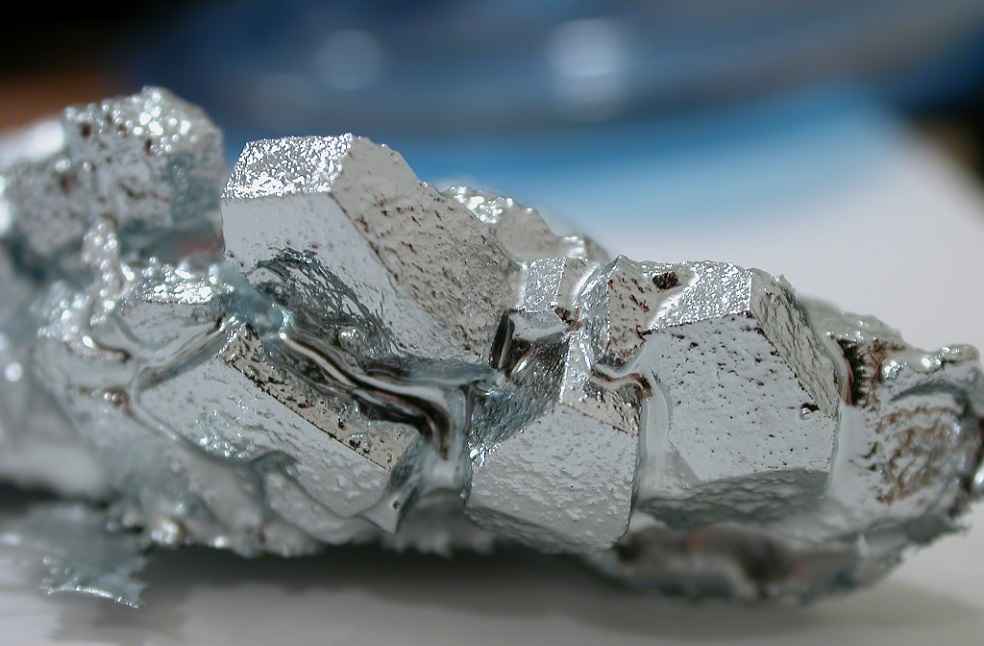
In February, China also halted the export of certain tungsten products to Japan, while no gallium items were shipped during the January–April period. With the exception of February, China has consistently withheld exports of antimonial lead, a material used in the manufacture of ammunition and automotive components. Meanwhile, shipments of germanium and graphite remained largely unchanged.
While Japanese companies are working to diversify their supply chains, Chinese authorities detained two employees of the Fuji Electric group in May over alleged attempts to transfer rare earth-related products overseas.
In late June, China added 20 Japanese organizations, including the National Institute for Defense Studies and subsidiaries of Mitsubishi Electric Corporation, to its list of entities prohibited from receiving dual-use items. This brought the total number of restricted Japanese entities to 40.
Bilateral relations between China and Japan have deteriorated to their lowest level in years. The diplomatic dispute further deepened following Takaichi’s remarks that a Chinese attack on Taiwan—a self-governed democratic island claimed by Beijing—could trigger a response from Japan’s Self-Defense Forces in coordination with the United States.
IMEX SECTOR | Malaysia Targets Durian Exports to China through Thailand