



CottonPort, Bangladesh’s first digital marketplace for raw cotton, will supply U.S.-grown cotton to local spinning mills at prices comparable to Brazilian cotton, the nation’s largest supplier. The platform, launched Thursday in Dhaka by AmeriBangla Corporation, a U.S.-based firm focused on promoting bilateral trade, began with an initial shipment of 82 tons of premium cotton sourced directly from Virginia.
This pricing could give U.S. cotton a competitive advantage in Bangladesh.
CottonPort Chief Executive Officer Aswar Rahman said the 24-hour digital marketplace would cut out intermediaries by directly connecting Bangladeshi mills with U.S. cotton farmers, allowing local buyers to negotiate prices.
Rahman said more than 30 mill owners have already shown interest in purchasing cotton directly through the platform. Local spinners said the current price gap between U.S. and Brazilian cotton is roughly 1 to 4 cents per pound, depending on the volume purchased.

CottonPort operates a dynamic pricing model in which the listed price decreases each day until a buyer accepts the offer. Rahman said the system would improve transparency in price discovery while helping U.S. cotton compete with supplies from major exporters such as Brazil.
Rahman said more than 30 mill owners have already shown interest in purchasing cotton directly through the platform. Local spinners said the current price gap between U.S. and Brazilian cotton is roughly 1 to 4 cents per pound, depending on the volume purchased.
CottonPort operates a dynamic pricing model in which the listed price decreases each day until a buyer accepts the offer. Rahman said the system would improve transparency in price discovery while helping U.S. cotton compete with supplies from major exporters such as Brazil.
The platform will enable direct purchases by container, giving smaller mills access to U.S. cotton without requiring large-volume orders. The containers are shipped in advance and are already en route to Chattogram Port, from where the cotton will be delivered directly to buyers’ warehouses.
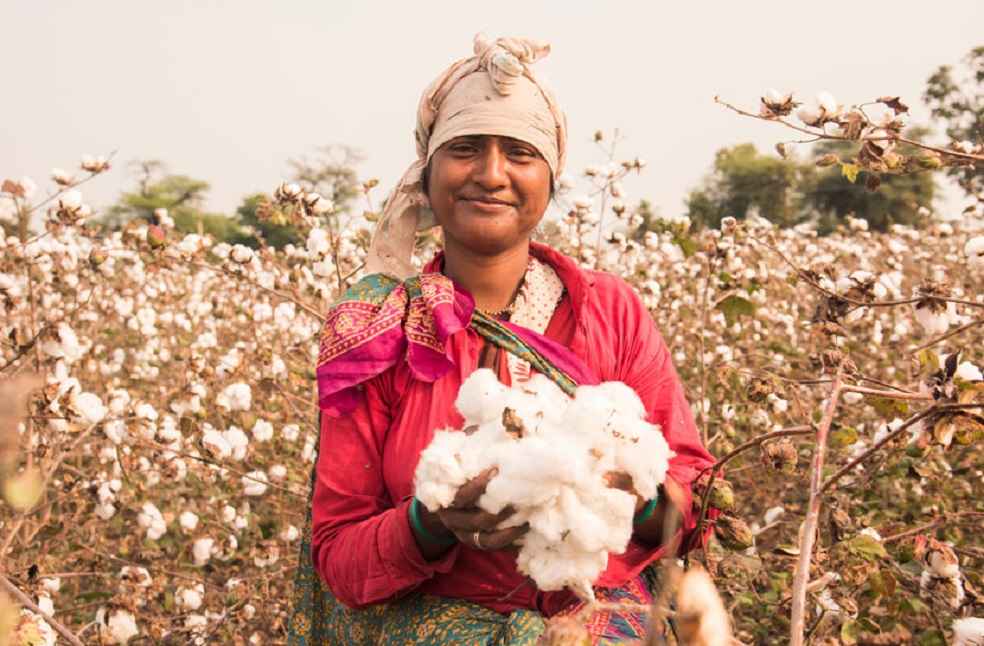
According to the company, the consignments come with ‘All American Cotton’ traceability certification supported by U.S. Customs.
Direct sourcing could deepen commercial ties between Bangladeshi manufacturers and the U.S. market and potentially support higher exports to the United States amid tariff challenges. The platform will start on a limited scale, with its 2026 pilot restricted to 10 containers per month. CottonPort plans to expand that capacity significantly, targeting 1,600 containers per month by 2028.
Bangladesh imported 7.82 million bales of cotton in 2025, according to data from the National Board of Revenue. West and Central Africa remained the country’s largest source region, although its share decreased. Brazil was the leading individual supplier with 2.11 million bales, followed by India with 1.24 million and Benin with 0.80 million. The United States supplied approximately 0.77 million bales.
TRADE WORLD | Indonesia Targets Trade Deal with Morocco by 2027