


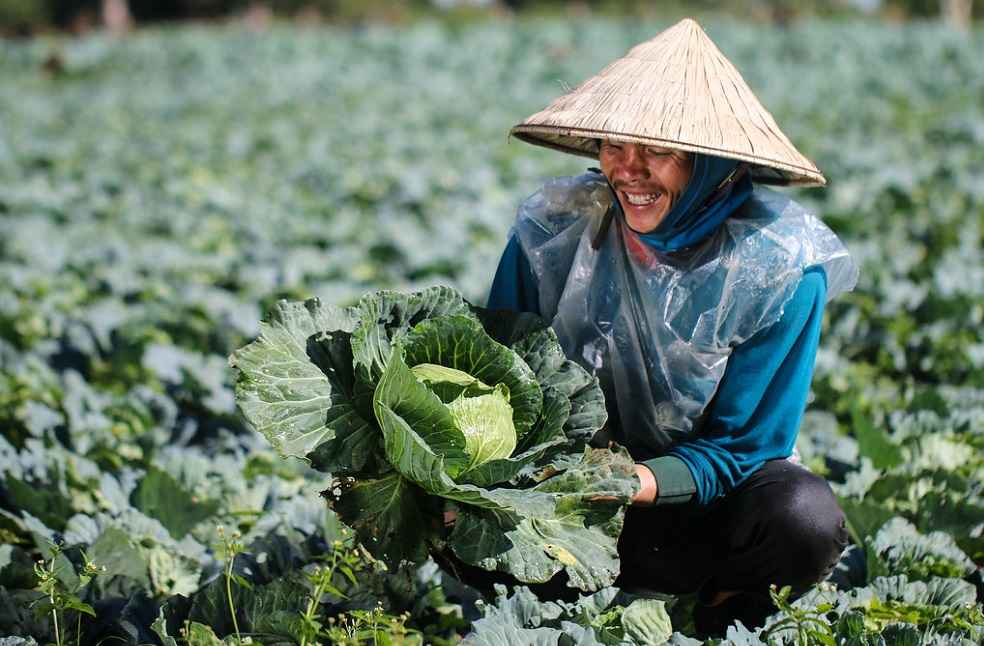
The Hungarian government has declared a ban on imports of most agricultural products from Ukraine, effective Friday, Prime Minister Péter Magyar said. The measure includes strict enforcement provisions, with penalties for violations reaching up to 100% of the goods’ value, excluding VAT. Additionally, the government has decided to withdraw its plan to leave the International Criminal Court (ICC).
“The government is withdrawing Hungary’s intention to withdraw from the International Criminal Court and is banning the import of agricultural products from Ukraine,” Magyar wrote.
The decision reinstates restrictions that had briefly lapsed when Hungary’s state of emergency expired on May 14, inadvertently nullifying previous emergency import bans.
Following the decision, a government decree detailing rules for transporting certain Ukrainian agricultural products was published in the official Hungarian Gazette on Friday. The decree specifies that the import ban applies to a wide range of goods, including beef, pork, lamb, poultry, eggs, honey, vegetables, grains such as wheat, rye, barley, corn, and buckwheat, as well as flour, sunflower seeds, cooking oil, and wine originating from Ukraine.
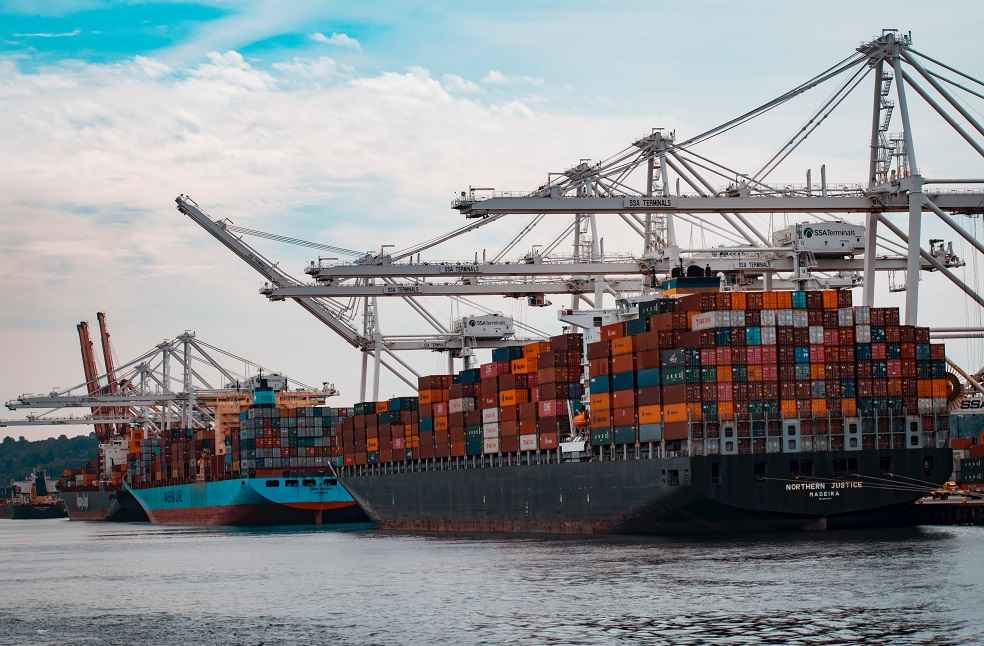
Shipments merely transiting through Hungary to other countries are exempt; however, such transit shipments must comply with strict regulatory conditions to prevent them from entering the domestic market. Authorities may impose fines equal to 100% of the goods’ pre-tax value if the rules are violated.
Hungarian Agriculture and Food Economy Minister Szabolcs Bóna said the government’s priority is to protect the domestic economy, stressing that imports from Ukraine or elsewhere must not threaten Hungarian farmers or food security. He added that safeguarding local agricultural products, farmland, and farmers is a national interest.
The restrictions come shortly before planned diplomatic talks, with Ukrainian and Hungarian foreign ministers expected to meet in late May to discuss conditions for a potential future meeting between Ukrainian President Volodymyr Zelenskyy and Prime Minister Magyar.
Previously, Magyar’s government has held formal discussions with Ukrainian representatives to negotiate linguistic, educational, and cultural guarantees required to lift Hungary’s veto. The veto is currently preventing the opening of Cluster 1 of Ukraine’s EU accession talks, which includes key areas such as the rule of law and human rights, effectively stalling progress until an 11-point plan on the rights of the Hungarian minority is implemented.
Magyar also said that European Council President António Costa has indicated that progress on minority rights must come before further advancement in Ukraine’s EU membership process. Ukrainian officials, meanwhile, have stated their willingness to implement the 11-point plan in order to move the accession talks forward.
POLICY & LAW | China Imposes Export Restrictions on Precursor Chemicals to U.S.