


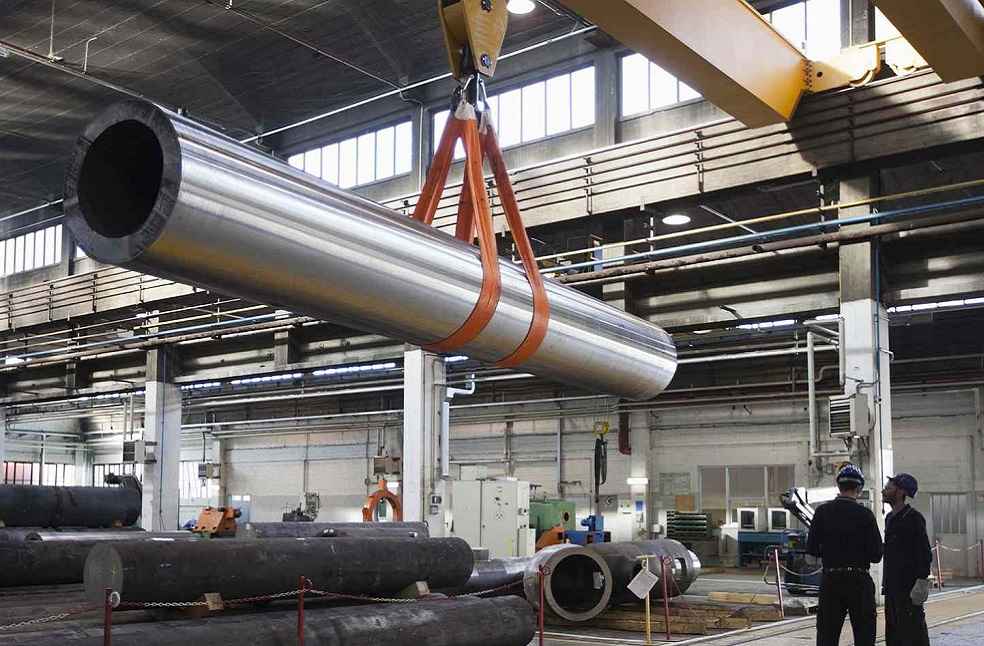
The European Parliament formally approved doubling tariffs on steel imports in an effort to safeguard the EU’s struggling steel sector from low-cost Chinese imports.
The European Parliament on Tuesday approved comprehensive new trade measures that will significantly increase tariffs and restrict import quotas on steel beginning in July. The move reflects Brussels’ efforts to defend the bloc’s struggling steel industry against mounting pressure from low-cost foreign products.
EU lawmakers backed the measure by a vote of 606 to 16, raising out-of-quota tariffs on imported steel to 50% and reducing tariff-free import volumes by 47% compared with 2024 levels. The new rules will replace current safeguard measures, which are due to expire on June 30, 2026.

Under the new measures, which followed a proposal introduced by the European Commission last year, tariff-free import quotas will be cut to 18.3 million tons annually, matching the total volume of steel imported by the EU in 2013.
“Europe needs a strong and competitive steel industry built on trade, innovation, and fair competition. Combatting the negative trade effects of global overcapacity is essential,” said EU lawmaker Karin Karlsbro.
EU officials argued that the market has become increasingly distorted after 2013 due to global overcapacity, driven largely by subsidized Chinese steel production, which now accounts for more than half of global output. The legislation also introduces a ‘melted and poured’ requirement, under which steel products will be classified based on the location where they were first melted and cast.
These measures still require final approval from EU member states before taking effect on July 1, 2026.
Steel producers across Europe have increasingly warned of declining competitiveness as imports rise and domestic output weakens. European steelmakers are currently operating at about 65% capacity, pressured by growing import volumes and the effects of U.S. tariffs. The new measures are intended to lift utilization rates toward 80%.
According to industry data, the bloc’s steel imports rose 8.7% year‑on‑year in 2025 to 34.8 million tons, while EU crude steel production fell to roughly 125.8 million tons, down from 130 million tons the previous year.
POLICU & LAW | NZ Reaffirms Duty-Free Access for Bangladesh After LDC Graduation