



The United States is considering a new regulatory framework for exporting advanced AI chips that may require foreign governments to invest in AI data centers in the U.S. or offer security assurances before receiving large-scale shipments, Firstpost reported, citing Reuters.
The proposed policy would cover exports of 200,000 or more advanced AI chips, potentially strengthening the U.S. position in negotiating technology partnerships and infrastructure investments. Although still under internal review and subject to revisions, it represents the administration’s first major effort to reshape AI chip exports.
Earlier measures under the Biden administration largely exempted close allies from strict controls, but the new framework signals a broader global approach, where even friendly nations could face additional requirements before receiving large shipments of advanced semiconductors from companies such as Nvidia and AMD.
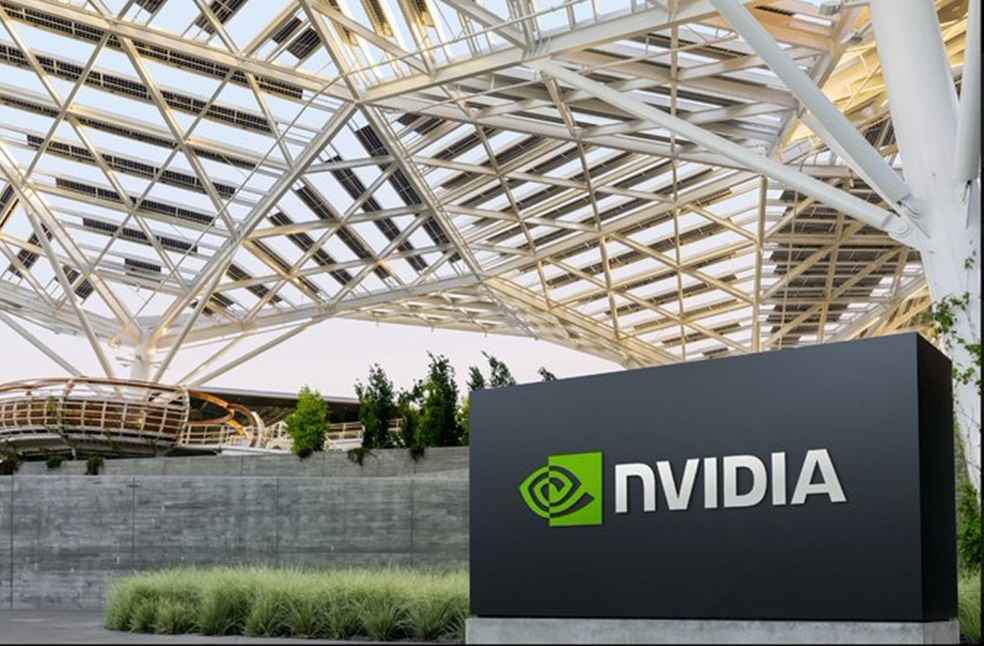
According to the draft framework, countries seeking to import 200,000 or more AI chips may need to commit to investing in AI data centers in the U.S. or provide national security assurances to Washington.
Under the proposal, even smaller shipments involving fewer than 1,000 AI chips could require export licenses. To receive exemptions, exporters such as Nvidia or Advanced Micro Devices may need to monitor how the chips are used, while buyers would be obligated to install software that prevents them from being linked to large computing clusters—systems typically used to power AI supercomputers and large-scale machine learning systems.
Foreign entities seeking shipments of up to 100,000 AI chips may also be required to provide formal government-to-government assurances regarding how the technology will be used. Shipments approaching 200,000 chips could also trigger inspections by U.S. export control officials.
However, the rules would not alter existing restrictions on countries already barred from receiving U.S. AI chips, including Russia. Export controls aimed at China would also remain in place, although Beijing received conditional approval in December to purchase certain AI chips from Nvidia.

Those shipments have since been delayed due to national security compliance requirements, raising concerns that China may reconsider moving forward with the purchases.
Officials suggested that Washington may adopt a framework similar to agreements with Saudi Arabia and the United Arab Emirates, where both nations pledged to invest in U.S. technology infrastructure in return for access to advanced American chips. Experts note that such a policy could reduce the risk of AI chip diversion to China and support the secure development of high-performance computing systems.
Importantly, the draft framework does not cover exports of AI model weights—the key parameters that power advanced AI systems developed by companies such as OpenAI and Anthropic. Previous proposals under the Biden administration had sought to regulate these components to ensure that cutting-edge AI models were used only in trusted environments, but those measures are not included in the current draft.
POLICY & LAW | U.S. Trade Court Orders Government to Refund Tariffs Deemed Unlawful