


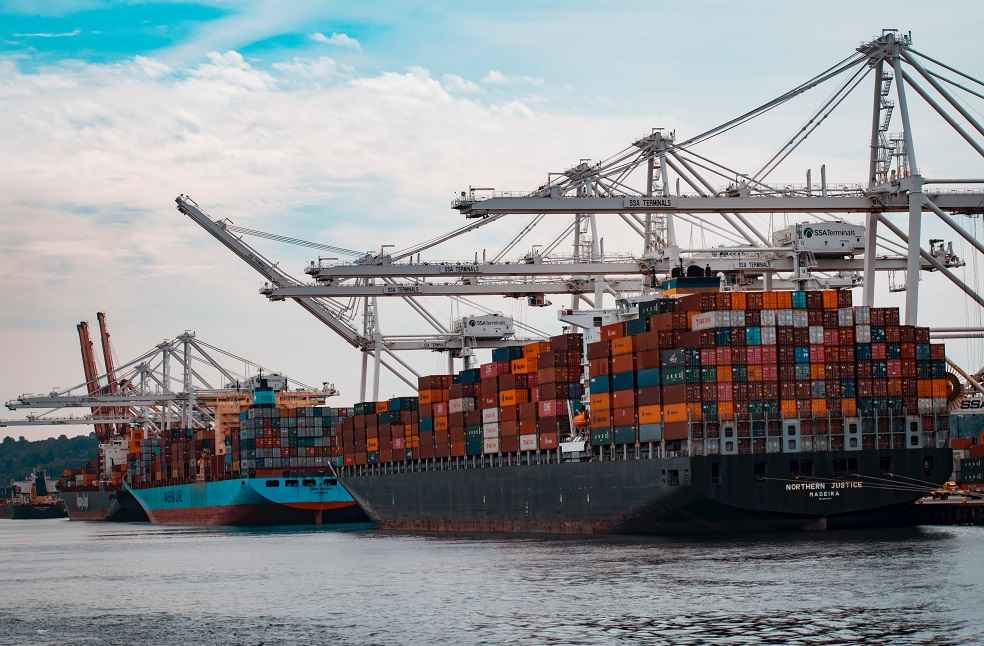
Vietnam and Malaysia’s bilateral trade is projected to exceed $18 billion (RM73.34 billion) in 2026, bringing the two countries closer to the $20 billion (RM81.49 billion) mark as they seek to expand export opportunities, particularly in the halal sector.
According to the Vietnam News Agency, two-way trade more than doubled from $7.4 billion (RM30.15 billion) in 2015 to $16.33 billion (RM66.53 billion) in 2025.
Vietnamese Trade Counsellor Phùng Văn Thành said Malaysia remains one of Vietnam’s key trading partners both within ASEAN and globally. However, Vietnam’s exports to Malaysia have remained lower than its imports, resulting in a trade deficit of $5.67 billion (RM23.10 billion) in 2025 and nearly $4 billion (RM16.30 billion) during the first six months of 2026.

Vietnamese exports to Malaysia increased at an average annual rate of 3.89% between 2015 and 2025, reaching $5.33 billion (RM21.72 billion) in 2025. Major export categories included machinery, electrical and mechanical equipment, and production materials. Meanwhile, no individual Vietnamese export product has yet recorded annual sales of $1 billion (RM4.07 billion) in the Malaysian market.
In comparison, Malaysian exports to Vietnam grew at an average annual rate of 11.48% over the same period, reaching $11 billion (RM44.82 billion) in 2025. These imports primarily consisted of machinery and equipment, petroleum products, computers, electronic goods, and related components.
According to Vietnamese Trade Counsellor Phùng Văn Thành, halal certification remains a key challenge for Vietnamese exporters while also representing a significant growth opportunity.
Malaysia is a major halal food market and ranks among the world’s five largest importers of halal food, with annual imports exceeding $20 billion. The country’s domestic halal food market is estimated at $50 billion (RM203.7 billion), while its Halal Industry Master Plan aims to increase domestic halal consumption to $113 billion (RM460.4 billion) by 2030.

Vietnam has significant potential in Malaysia’s market, supported by its strong agricultural exports, including rice, coffee, cashews, pepper and medicinal herbs. According to Thành, expanding halal-certified production could help boost bilateral trade towards the $20 billion target and potentially $25 billion in the longer term.
However, limited certification experience, inadequate consultancy services and differing international requirements remain challenges. Malaysia also imposes strict certification procedures and additional inspection costs on foreign businesses. Improving Vietnam’s halal certification capabilities and compliance with international standards could help reduce the trade deficit and expand exports to Malaysia.
DON’T MISS IT | U.S. and China Extend Trade Truce through January 10