



India’s gem and jewellery sector is bracing for a major setback as a new 25% U.S. tariff on imported Indian jewellery is set to take effect from August 7. This development comes amid already elevated domestic import duties on gold and rising raw material costs, further squeezing profit margins and challenging the industry’s global competitiveness.
The United States remains India’s largest export destination for gems and jewellery, accounting for over 25% of the sector’s overseas earnings. The new tariff, part of Washington’s broader trade policy recalibration, is expected to make Indian products substantially more expensive in the U.S. market, dampening demand and compressing already thin margins.
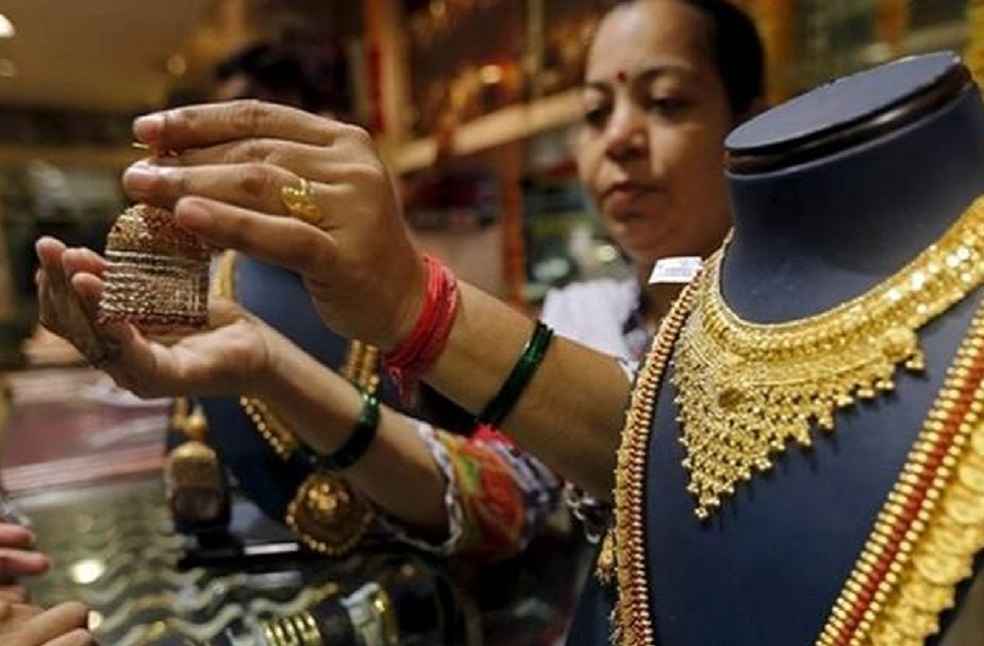
Sonal Sawansukha, founder of Jaipur-based jewellery brand Jewel Saga, expressed concern over the growing cost pressures. “High import duties and soaring gold prices are deeply affecting the jewellery business in India. It inflates production costs and erodes profitability, from artisans to large jewellers,” she said. Sawansukha also warned that these burdens could fuel grey market activities and stressed the need for an ecosystem that promotes ethical sourcing, skill development, and innovation.
Gold imports into India are already subject to a 15% duty, placing a substantial burden on manufacturers. With the U.S. tariff now in play, exporters are facing a compounded cost structure that may diminish India’s edge in the global luxury and heritage jewellery markets.
Neha Chelani, founder of Fine Silver Jewels, acknowledged that her firm has begun re-evaluating its strategy. “The U.S. is a major market for us, and this tariff raises costs throughout our operations. We are now shifting focus to other global and domestic markets,” she said, expressing hope for policy support from the Indian government.
For others in the sector, this moment is prompting deeper introspection. Rishi Jain, creative director at Mirasa Jewels, highlighted the importance of adaptability and innovation. “While pricing and margins will suffer, this is also a test of our resilience. We need to invest in direct-to-consumer models, reassess international partnerships, and remain rooted in the craftsmanship that makes Indian jewellery exceptional,” he said. “Tariffs can’t take away the cultural legacy embedded in each creation.”
In FY25, India exported nearly $40 billion worth of gems and jewellery, with a dominant share going to the U.S. Recent quarters have seen a slowdown in export momentum due to inflation, regulatory shifts, and global market uncertainties.
Industry leaders are now urging the Indian government to revisit gold import duties, enhance export incentives, and pursue favorable trade negotiations to cushion future shocks. While short-term challenges loom large, many believe that strategic reform and innovation can help the industry emerge stronger and more self-reliant.
IMEX SECTOR | EU Wine Imports to U.S. to Cost More Due to Tariff Hike