


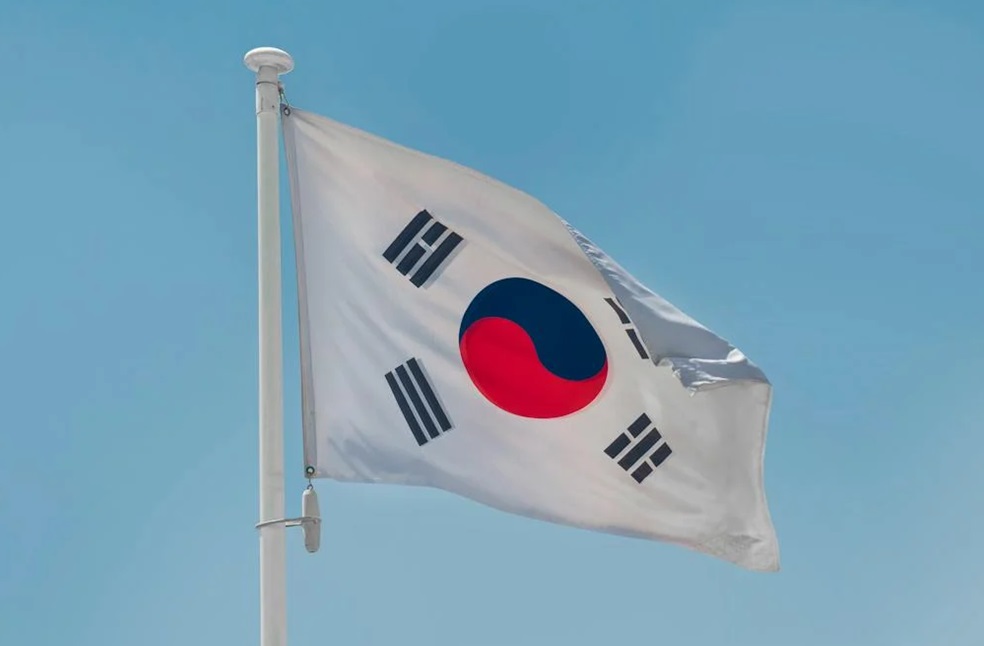
South Korea plans to reduce its dependence on crude oil imports from the Middle East to 50% by 2035, Reuters reported, citing the country’s Industry Ministry.
The ministry has prepared a 10-year natural resources security strategy that aims for a ‘fundamental shift’ in the country’s import sourcing. The plan also proposes increasing crude oil reserves by around 20 million barrels by 2030.
South Korea sources up to 70% of its crude oil imports from the Middle East, with most of these shipments passing through the Strait of Hormuz, according to the ministry. The country also depends on the region for a significant share of its gas imports, although the reliance is lower, with Middle Eastern supplies accounting for about 20% of total gas imports last year.

Over the next decade, the nation aims to limit its dependence on Middle Eastern suppliers to no more than 30% of its gas imports.
South Korea is highly dependent on energy imports, making it one of the countries most vulnerable to disruptions caused by the closure of the Strait of Hormuz. In March, shortly after the war in the Persian Gulf began, Seoul imposed fuel price caps for the first time in 30 years to stabilize the market and protect the economy. The government also introduced driving restrictions for civil servants to address the risk of fuel shortages.

Since then, South Korea has focused on diversifying its energy suppliers. However, the disruption in the Strait of Hormuz has also encouraged Seoul to adopt a longer-term approach, as major energy-importing countries seek to secure more reliable supplies of essential commodities and strengthen the resilience of their supply chains.
POLICY & LAW | Trump to Restrict Canadian-Made Goods in U.S. Procurement