


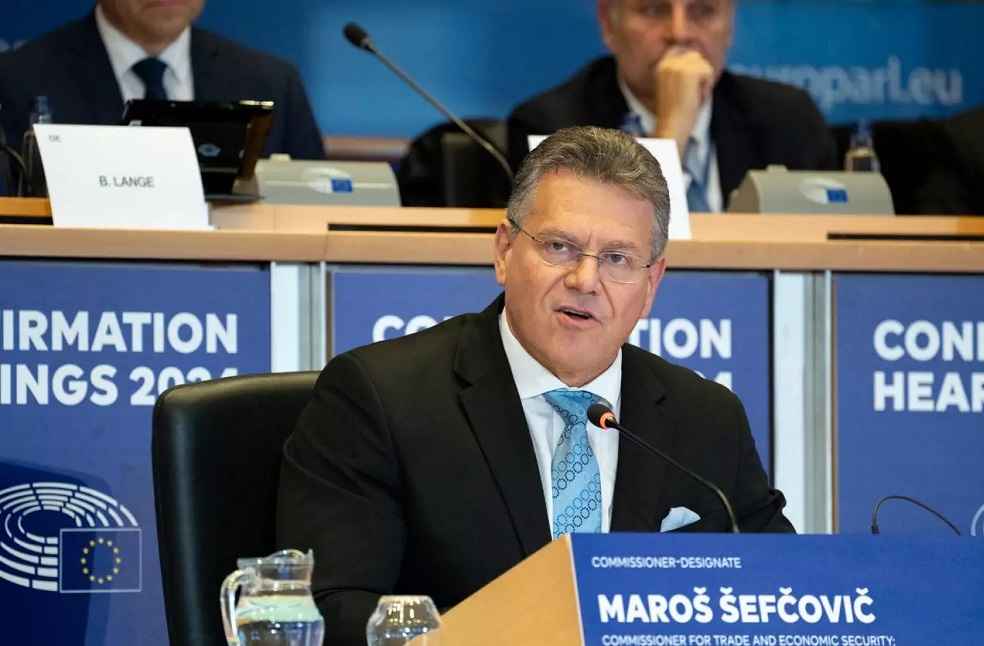
The European Union’s chief trade official has arrived in Beijing for high-level discussions with Chinese counterparts as the bloc presses China to take concrete measures to curb its growing trade surplus.
EU Trade Commissioner Maroš Šefčovič is scheduled to visit Beijing, where he will hold talks with Chinese Commerce Minister Wang Wentao amid efforts by both sides to prevent trade tensions from escalating further.
The meetings come amid increasing concern across Europe that Beijing has yet to take sufficient action to address its trade surplus, which has grown to around €1 billion a day.
European officials argue that a surge in low-priced Chinese imports has contributed to the loss of tens of thousands of manufacturing jobs across the bloc. Šefčovič has previously warned that China poses a threat not only to Europe’s industrial base but also to its social model.

Ahead of the talks, the Financial Times reported that Beijing had rejected an EU proposal to curb exports of plug-in hybrid vehicles, shipments of which have risen sharply following the bloc’s tariffs on Chinese battery-electric cars. EU officials have cautioned that the discussions in Beijing could end without progress unless a resolution is reached on hybrid vehicle imports, raising the prospect of a further escalation in trade tensions between the two sides.
While Beijing has declined to cut its exports, it has appeared willing to increase direct investment in Europe and expand imports from the bloc. China has also remained open to discussions on minimum prices for its electric vehicle exports in exchange for the removal of anti-subsidy tariffs of up to 35%.
European officials, however, consider these proposals insufficient and are urging Beijing to remove some tariffs to improve market access for EU exporters competing with Chinese manufacturers. China, meanwhile, is calling on the EU to ease restrictions on technology exports, including ASML’s chipmaking equipment from the Netherlands.
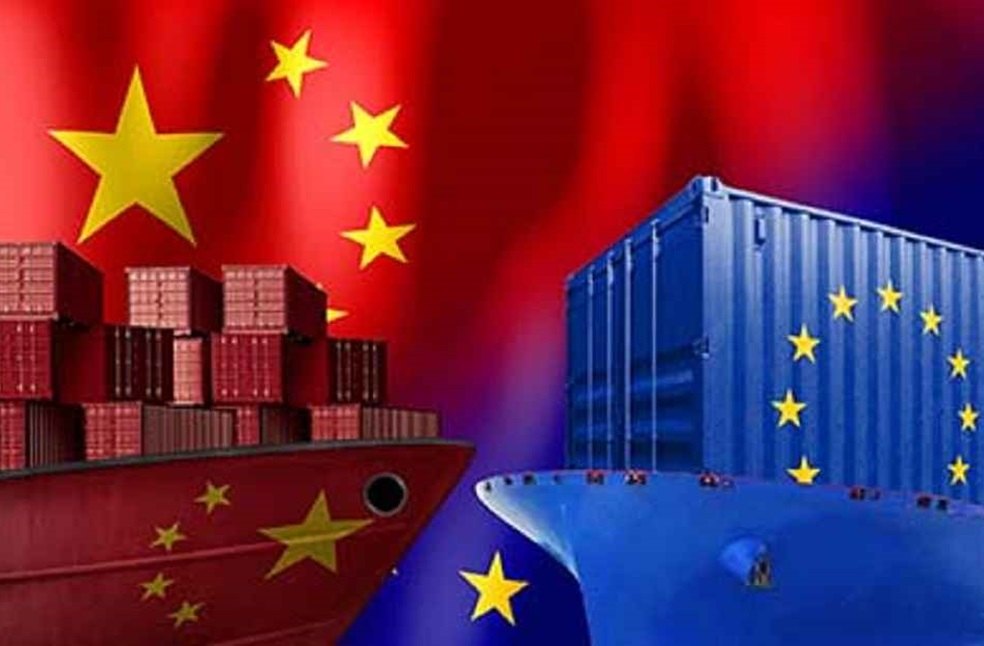
Chinese officials have repeatedly warned that Beijing could respond strongly to additional restrictions on Chinese companies or products. Potential retaliatory measures include limiting exports of critical minerals and imposing tariffs on European goods.
Germany and France this week urged European Commission President Ursula von der Leyen to consider a trade mechanism that could restrict China’s access to the EU single market if necessary. In a joint letter, the two countries said stronger tools were needed to address the growing use of trade as a geopolitical weapon, persistent market-distorting practices, and widening global economic imbalances.
Šefčovič is scheduled to meet Chinese Vice Premier He Lifeng on Friday.
POLICY & LAW | Ukraine Rejects EU Limits on Agricultural Products and Exports