


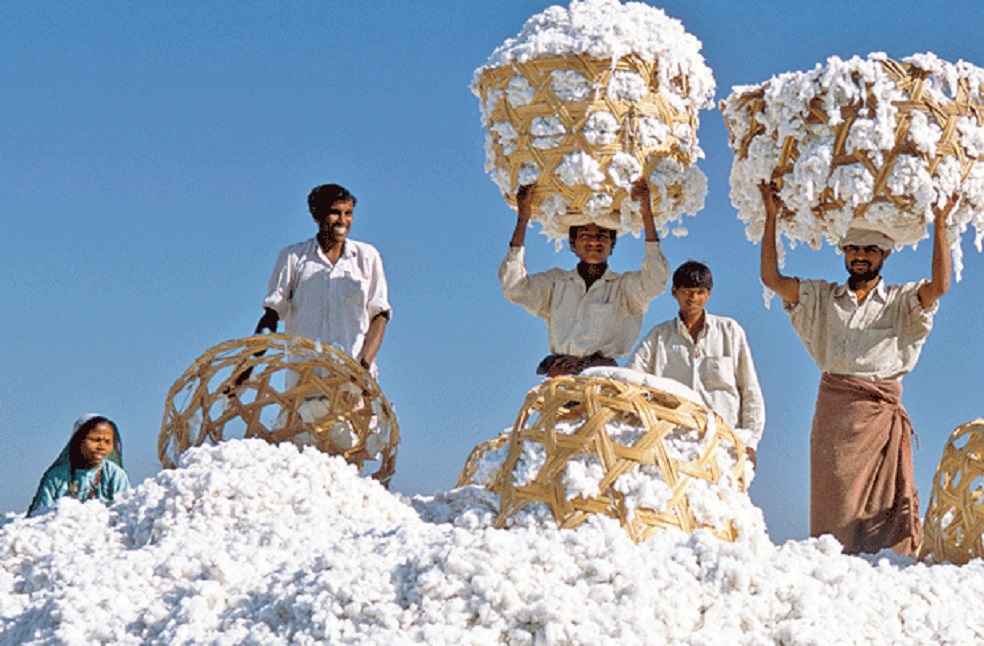
India has waived customs duties on cotton imports for a five-month period ending October 31, in a measure aimed at ensuring adequate supply for the domestic textile industry and reducing production costs for manufacturers.
Effective June 1, the Union government has exempted cotton imports from both customs duty and the Agriculture Infrastructure and Development Cess (AIDC) for the period. The move is intended to improve cotton availability and lower input costs across the textile value chain.
According to a notification issued by the Ministry of Finance on Saturday, the exemption applies to cotton classified under tariff heading 5201.
The import duty on cotton was reimposed on January 1, 2026, following a temporary suspension from August to December 2025.
“The temporary duty exemption is expected to reduce input costs across the textile and apparel sector, thereby providing a targeted relief to manufacturers and consumers, while also keeping the interests of domestic farmers in mind,” a government spokesperson said.
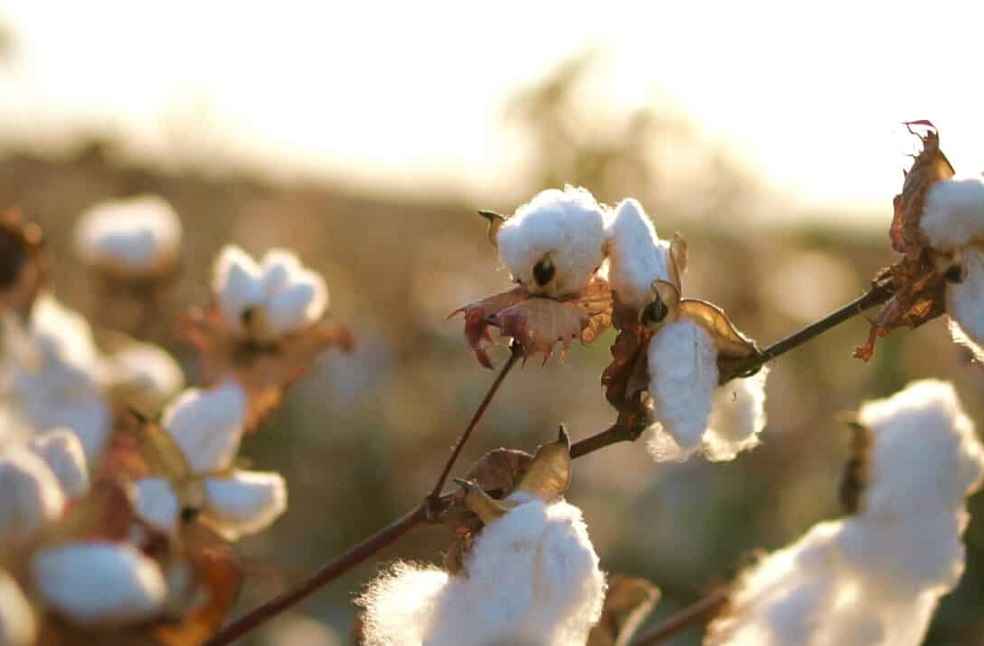
The measure is expected to benefit the domestic textile industry, particularly small and medium enterprises (SMEs), by improving the availability of cotton and easing raw material costs amid rising cotton and yarn prices. It is also aimed at strengthening supply conditions within the domestic market and supporting manufacturers facing cost pressures.
The decision is likely to benefit the entire textile value chain, including spinning mills, apparel manufacturers, exporters, and consumers. Industry stakeholders believe that reduced import costs could help stabilize domestic cotton prices and enhance the global competitiveness of Indian textile products.
The Apparel Export Promotion Council (AEPC) has welcomed the move, describing it as a timely intervention for the sector. It has also urged spinning mills to pass on the benefits of lower-cost imported cotton through reduced yarn prices.
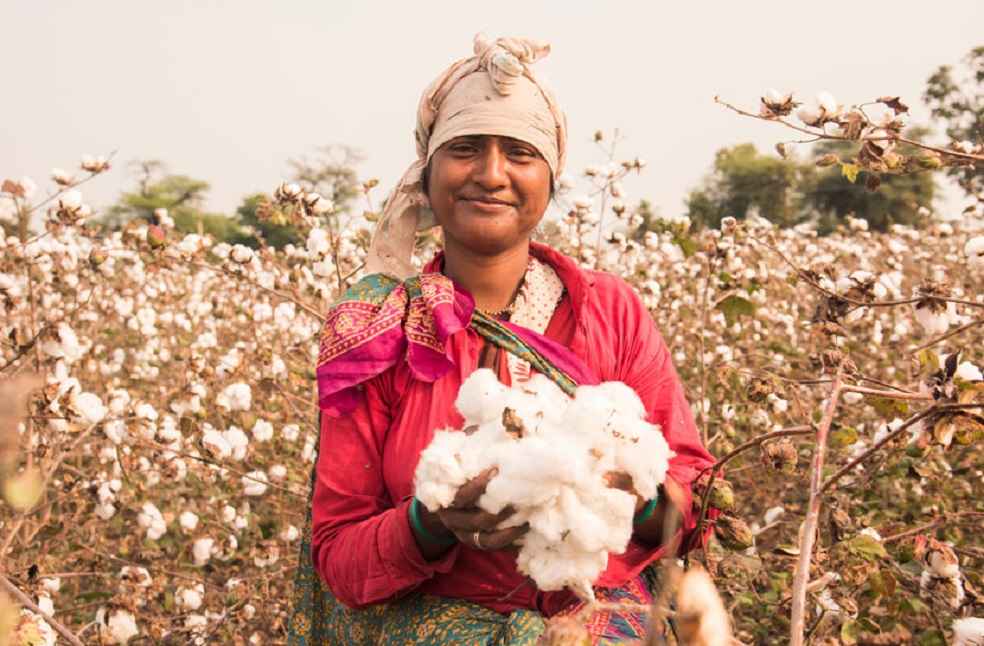
The policy is likely to strengthen the position of garment exporters, enabling them to secure international orders more competitively in the upcoming export season.
India’s cotton output has been on a declining trajectory, which experts attribute to structural challenges, including inadequate development of new seed varieties. Production has remained largely stagnant in recent years. The textile industry has consistently advocated for the removal of import tariffs on cotton, arguing that access to lower-cost imported raw material, including subsidised global supply, is necessary to ease input costs and align domestic prices more closely with international levels.
India remains the world’s second‑largest cotton producer, accounting for nearly 24 percent of global output. The sector supports around six million farmers and provides employment to an estimated 40–50 million workers across its extensive cotton processing and apparel manufacturing ecosystem.
The textile and apparel industry contributes about 2.3% to India’s gross domestic product, 13% to industrial output, and 12% to total exports.
LEADERS SPOT | EU Weighs Diversification Tools to Counter Trade Ties with China