



Vietnam’s parliament passed revisions to the Geology and Minerals Law on Thursday, bringing rare earth elements under strict state control and banning the export of unprocessed ores, marking a shift in the country’s approach to developing the valuable resources.
Under the revised legislation passed by the National Assembly, rare earths are now classified as a ‘special strategic’ mineral.
All geological surveys, exploration, mining, and processing will be required to follow the national rare-earth strategy and may only be conducted by companies authorized or designated by the state. Additionally, the government will centralize geological data, manage imports and exports based on domestic priorities, and establish strategic reserves.
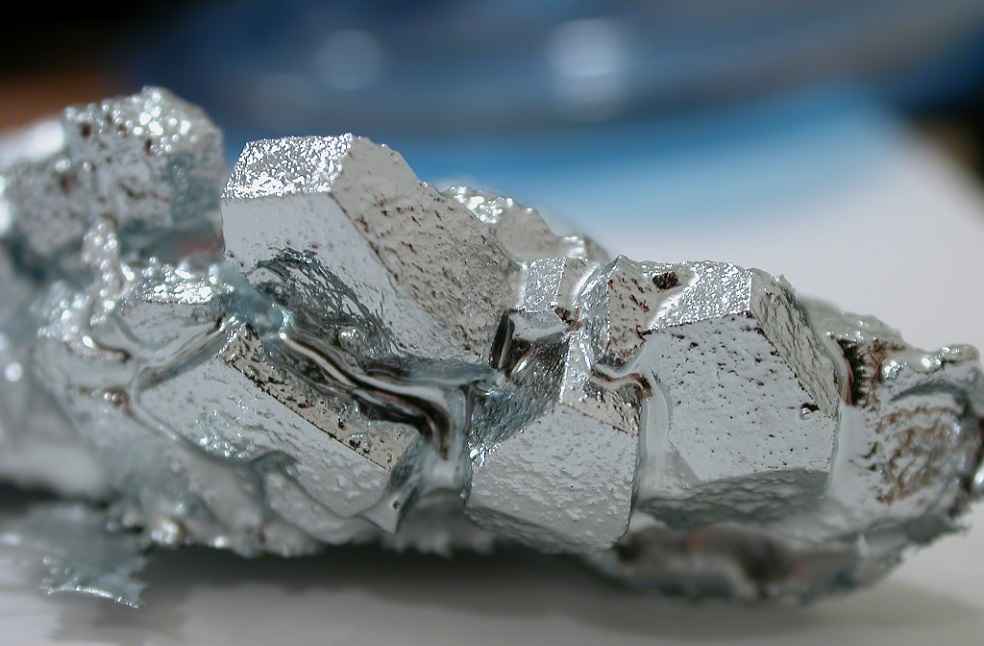
The legislation steers Vietnam toward advanced processing instead of raw extraction, mandating the establishment of a modern industrial ecosystem capable of producing higher-value materials for industries including EV batteries, solar panels, advanced alloys, drones, military robotics, and semiconductors.
As global demand for rare earths is projected to rise sharply over the next decade, the government asserts that the mineral is crucial for national defense, security, and diplomacy, requiring strict regulation.
Vietnam is estimated to have 3.5 million tons of rare earth reserves, ranking it as the sixth-largest holder globally, according to the U.S. Geological Survey.

The law also promotes international collaboration in advanced exploration and processing while emphasizing the development of a skilled workforce for the sector. It also mandates strict protection of rare-earth reserve zones, which have been identified through geological surveys but remain unmined.
Beyond rare earths, the revised law simplifies procedures for converting specific land types to support mining of construction materials for public investment, PPP, and other major national projects.
These provisions apply only to planted production forests and non-agricultural land, excluding areas related to defense and security.
The legislation will come into effect in January 2026.
TRADE WORLD | Vietnam, Cambodia Push Trade Connectivity through Border Reforms