


The International Monetary Fund (IMF) has called on China to confront its growing economic imbalances, warning that the world’s second-largest economy is now far too large to depend on exports as its primary engine of growth.
The appeal comes as Beijing reported that its trade surplus for 2025 has already exceeded $1 trillion, the highest on record.
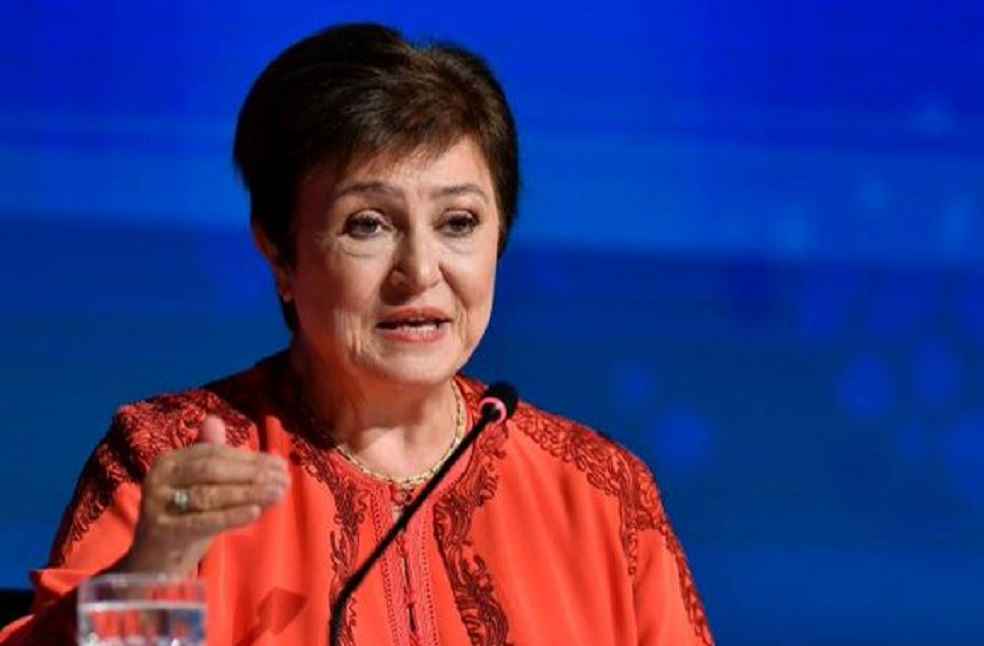
IMF Managing Director Kristalina Georgieva, speaking at a press conference during an economic forum in Beijing, said China’s continued reliance on export-led expansion risks escalating global trade frictions.
“China is now too big to rely on exports as a source for growth… and it has a large domestic market that can be a big aspiration for growth in the years to come,” she said. She cautioned that heavy dependence on foreign demand could prompt trading partners to intensify measures aimed at curbing imports from China.
The warning follows a period in which China’s overall exports have risen despite weaker shipments to the United States, where President Donald Trump’s tariff increases on Chinese goods remain in force.
China has compensated for the slowdown in the U.S. market by expanding sales to regions including Africa, Latin America, Southeast Asia, and Europe, contributing to widening global trade imbalances.
China’s leadership has acknowledged the need to shift toward stronger domestic consumption. At an October policy meeting, officials reaffirmed long-standing goals to reduce reliance on exports and large-scale infrastructure investment.
This transition has been complicated by a prolonged property-sector slump that has eroded household wealth, reduced consumer confidence, and weakened demand for imports. The COVID-19 pandemic further disrupted the shift by causing job losses and income pressures that have weighed on spending.
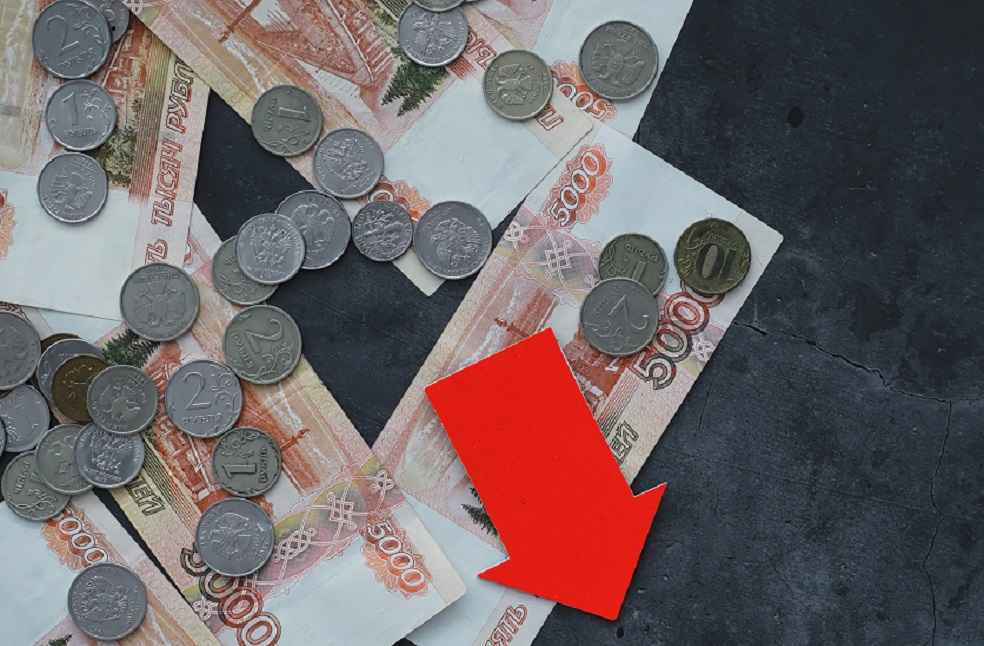
Georgieva said comprehensive reforms are needed to encourage Chinese households to consume more, noting that softer domestic demand has contributed to a weaker yuan. A weaker currency, in turn, has made Chinese exports more competitive, reinforcing trade imbalances with key partners.
China’s push into high-tech manufacturing has added another layer to the challenge. The country has expanded production capacity in robotics, electric vehicles, batteries, and other advanced industries.
Morgan Stanley forecasts China’s share of global exports could rise to 16.5% by 2030, up from about 15% today, driven by these sectors. But excess capacity in areas such as automaking has already drawn scrutiny from major economies.
The European Union Chamber of Commerce in China also warned this week that China’s soaring trade surplus is provoking concerns among European businesses and policymakers.
Georgieva’s comments came a day after Chinese Premier Li Qiang told international financial leaders that escalating tariffs have ‘dealt a severe blow’ to the global economy.
While China continues to grow at nearly 5% annually, the IMF’s message underscores that sustaining this pace will require rebalancing toward a more consumption-driven model and addressing long-standing structural vulnerabilities.
TRADE TECH | Trump Approves Nvidia’s H200 Chip Exports to China Under New Policy