


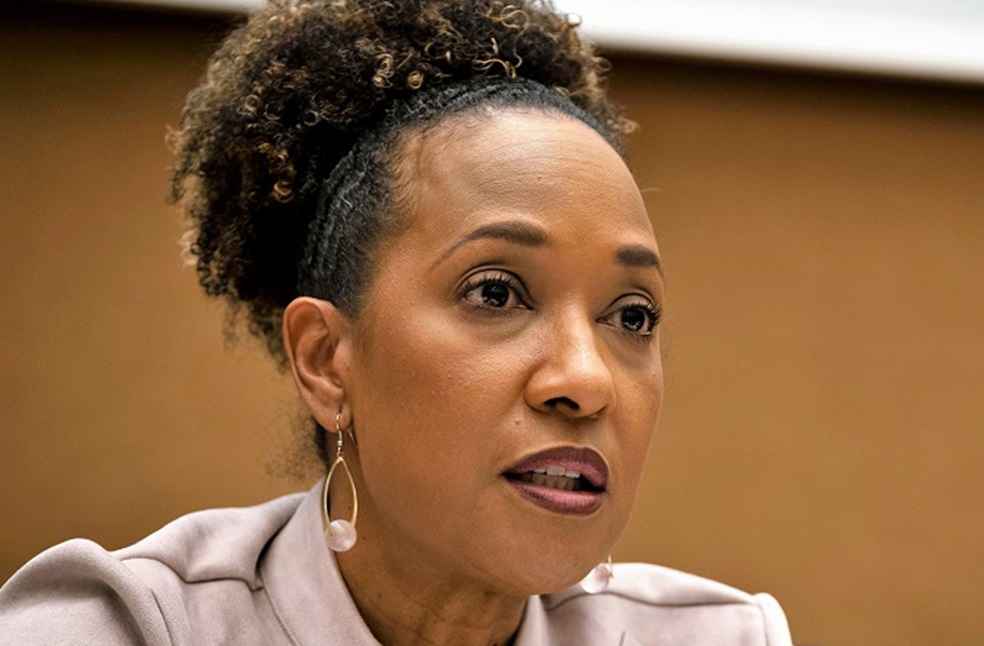
A top United Nations trade official has cautioned that the United States’ decision to delay the expiration of a tariff suspension could deepen global trade uncertainty and disrupt long-term investment plans, particularly in developing economies.
Pamela Coke-Hamilton, Executive Director of the International Trade Center (ITC), voiced concerns at a UN press briefing in Geneva, stating that the latest extension of the tariff suspension, now pushed to August 1, adds to growing instability in the international trade landscape. The suspension had originally been due to expire shortly but was granted a few extra weeks.
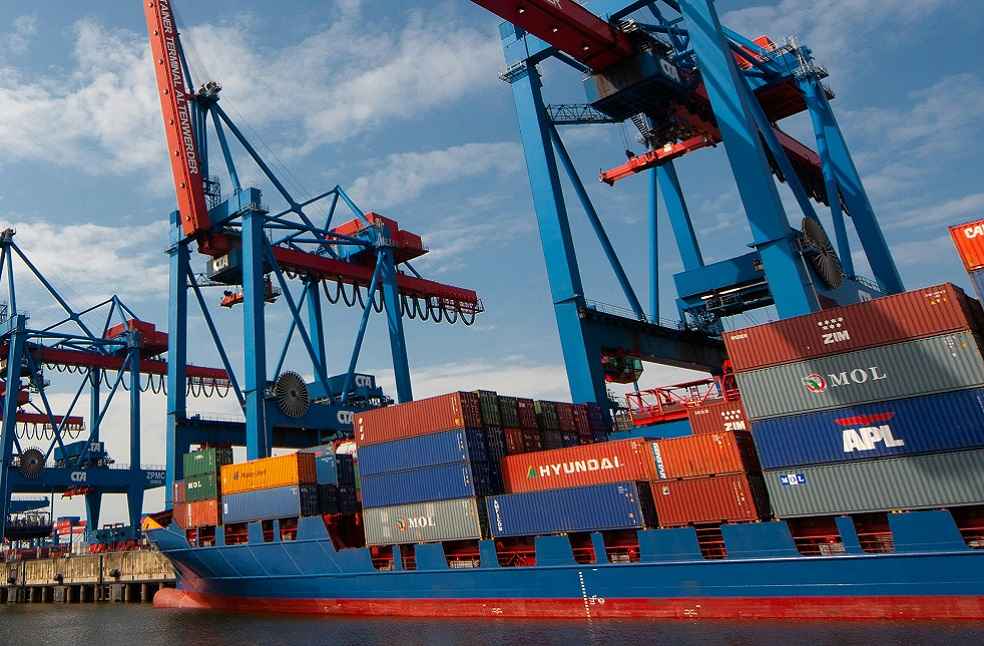
While the initial 90-day pause on so-called ‘reciprocal’ tariffs eased fears of drastic increases, some of which could have reached up to 50%, the U.S. instead implemented a 10% baseline tariff on top of existing duties. As a result, many countries, particularly developing ones, now face significantly higher costs when exporting goods to the U.S.
“This contributes to a dual shock – tightening trade restrictions and shrinking development aid – which disproportionately hurts developing nations,” Coke-Hamilton said. The ITC, a joint agency of the United Nations and the World Trade Organization, works to support businesses in developing economies.
She stressed that economic uncertainty is not abstract, but has tangible effects. As an example, she pointed to the surge in trade volumes of gold and precious metals after these commodities were exempted from the new tariffs. According to U.S. import data, gold imports into Switzerland soared by 800% year-on-year in May.
Since the start of 2024, ITC has recorded over 150 new trade-restrictive measures globally. Combined with disruptions stemming from the war in Ukraine, these developments are placing acute pressure on the world’s least developed countries (LDCs), many of which already face steep tariffs and have limited financial capacity to adapt.
In some cases, the consequences are stark. Lesotho, for example, is now facing a 50% tariff on its apparel exports to the U.S., putting its largest industry and tens of thousands of jobs at risk. Similarly, Vietnam, despite having negotiated a lower tariff, now faces a 20% levy on its auto-related exports, potentially reshaping a trade sector valued at $937 million.
Adding to the crisis is a looming reduction in development aid. Coke-Hamilton noted that G7 countries are projected to cut aid spending by 28% next year, marking the steepest decline in 50 years.
“A perfect storm is brewing, just as trade becomes more unpredictable, external support through aid is also shrinking,” she warned.
In response, the ITC chief urged developing countries to strengthen regional value chains, invest in value-added industries to reduce raw commodity dependence and enhance the resilience of small businesses.
“Stability can come from the ground up,” Coke-Hamilton said. “Although uncertainties lie ahead in both the trade and aid landscapes, developing countries can still find ways not only to navigate these challenges but to take on an active role in bringing about greater stability.”
TRADE WORLD | Import Tariffs of Up to 40% to Begin August 1, Says Trump