



Oil prices spiked to nearly $120 a barrel on Monday, the highest since Russia’s 2022 invasion of Ukraine, before retreating sharply. On Tuesday, Brent crude settled just above $90, still well above levels recorded prior to U.S. and Israeli strikes on Iran.
The sharp fluctuations followed mixed signals from U.S. President Donald Trump regarding his Iran policy, with the initial spike potentially pushing U.S. gas prices above a $4 per gallon national average.
The Strait of Hormuz, which handles about one-fifth of global oil shipments, has been effectively blocked for a week, with vessels transporting oil, natural gas, and other cargo delayed due to fears of Iranian attacks on tankers and other ships.
On Monday, leaders of the Group of Seven advanced economies opted not to release emergency oil reserves immediately, though they indicated a potential future release.
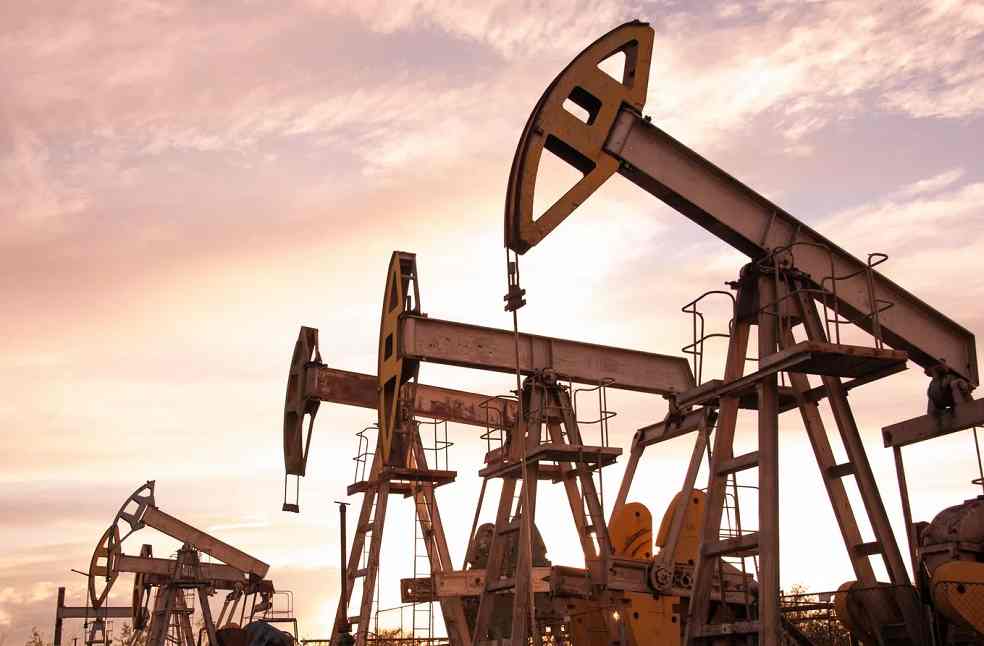
President Donald Trump added to market volatility with varying remarks on Iran. Over the weekend, he described soaring oil prices as a “small price to pay” for U.S. gains, but his stance changed at a Monday news conference. As Brent crude neared $120 per barrel, he reiterated on social media that the spike was minor compared with global safety and peace. Later, as markets fell, he told CBS, “I think the war is very complete, pretty much.”
According to The Washington Post, Monday’s surge in oil prices triggered an early decline in global stock markets, though U.S. indexes later closed higher and Asian markets rallied Tuesday. Economic risks persist as Gulf oil supplies remain halted. President Trump said the United States is offering insurance for tankers in the Persian Gulf, alongside possible military escorts that he announced last week.
Although most shipments through the strait are bound for Asia, oil is traded globally, causing U.S. prices to rise in tandem with Gulf supplies and leaving American motorists vulnerable to price shocks.
Meanwhile, global leaders continue to express concern that oil prices may rise further, increasing the risk of broader inflation.
According to AAA, U.S. pump prices have risen 47 cents over the past week, with the average cost of a gallon of regular gasoline now at $3.48.
The U.S. Strategic Petroleum Reserve currently holds approximately 415 million barrels of oil, sufficient to meet less than four days of global demand or a few weeks of the supply currently constrained at the Strait of Hormuz. Federal officials and lawmakers are unlikely to release more than a third of the reserve, as replenishing it is a slow process.
The Trump administration has sought to ease pressure on oil markets by relaxing certain sanctions on Russia, granting India a 30‑day waiver to continue purchasing Russian crude. Treasury Secretary Scott Bessent indicated that additional sanctions relief could follow.
However, analysts warn that if the conflict with Iran drags on, tapping strategic reserves would offer only short‑term relief.
AEROSPACE AND DEFENCE | Germany Strengthens Position in Global Arms Exports, Surpassing China