


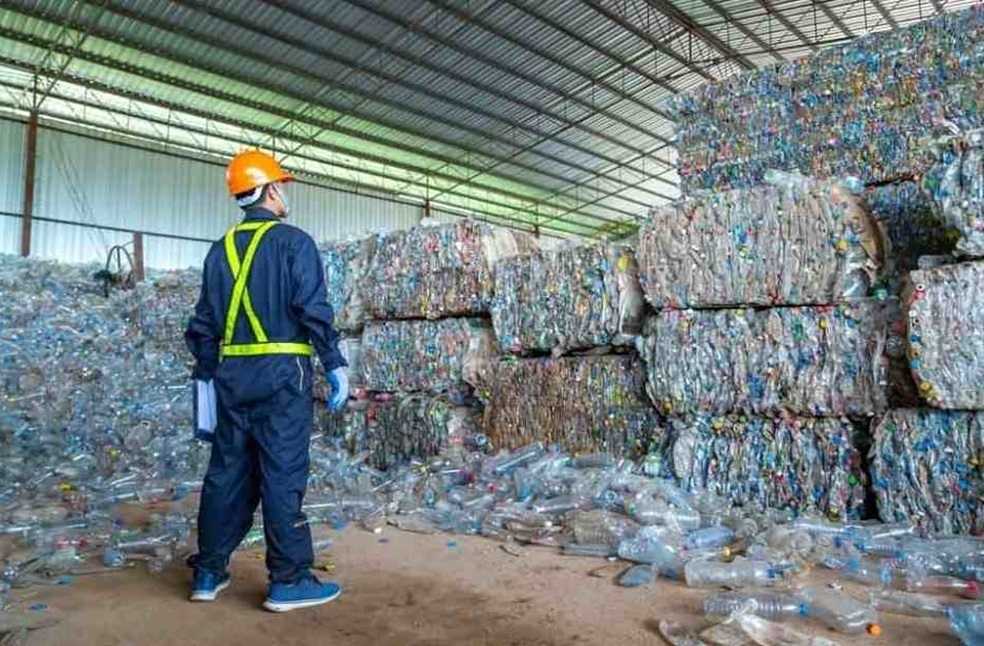
Malaysia’s government implemented tighter regulations on plastic waste imports on Tuesday. Under the new rules, only shipments from countries that are parties to the Basel Convention — an international treaty regulating hazardous waste — will be allowed. Additionally, all imports must receive approval from Sirim Berhad, an agency operating under the Ministry of Trade and Industry.
Under the newly enacted policy, Malaysia has barred several countries from exporting plastic waste to the nation, including the United States, which shipped approximately 35,000 tons in 2024, along with East Timor, Fiji, Haiti, San Marino, and South Sudan.
As outlined in a Customs Order issued by Malaysia’s Finance Minister in late May, all shipments of plastic waste entering the country must be accompanied by a certificate of approval. After a three-month transition period, these shipments will also be subject to pre-shipment inspections. If any irregularities are identified, such as false declarations, the waste will be returned to its country of origin, and legal action may be taken.

Sirim’s updated guidelines for the importation and inspection of waste plastic mandate that all imported plastic waste must be recyclable, originate from non-landfill sources, and be transported in recyclable containers. Shipments from Basel Convention member countries must meet a homogeneity threshold of 99.5% for the target material. Mixed plastics are only permitted if they consist of polyethylene (PE), polyethylene terephthalate (PET), and polypropylene (PP) derived from a single product and are intended for separate recycling of each polymer type.
Malaysia’s updated import guidelines stipulate that non-target materials such as stone, dirt, sand, paper, glass, wood, and metal must not exceed 2% of a shipment’s total weight. The rules also enforce a strict ban on certain contaminants, including food residues, oil, hazardous waste, electronic waste, and personal hygiene items.
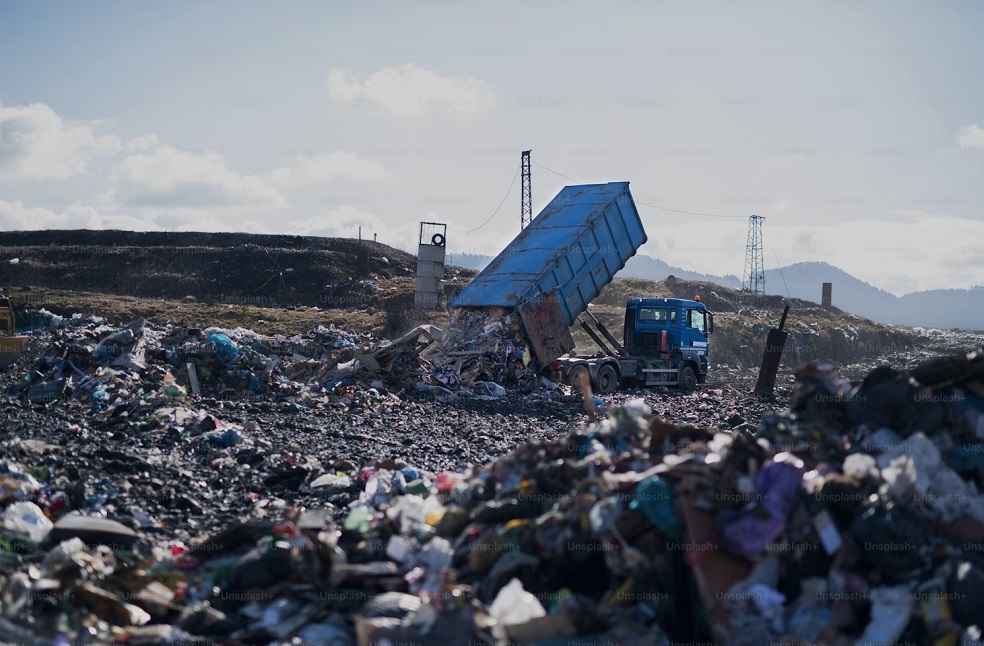
The Basel Convention’s amendments, introduced four years ago, have significantly disrupted the U.S. e-scrap industry’s long-standing practice of exporting plastic components to Southeast Asia.
With new measures, Malaysia has joined Thailand and Indonesia in imposing strict bans on plastic waste imports this year. Despite these rules, enforcement remains a challenge, as data reveals that illegal plastic waste is still entering the country through mislabeled shipments.
IMEX SECTOR | U.S. Poultry Imports Gain Namibia Access, Boosting $15M Exports